
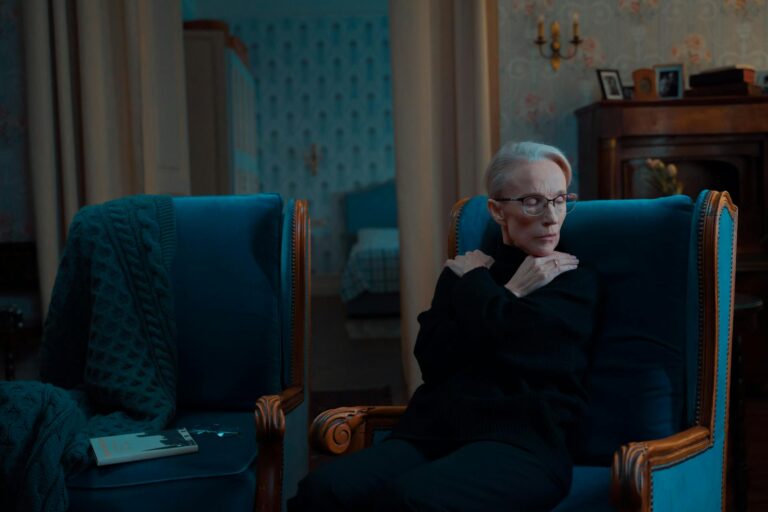
The loneliest moment in adult life may not be solitude in a quiet house — it may…
The loneliness that hurts most isn't the empty house — it's the one waiting for you in the room where everyone thinks they already know who you are.

Relationships, identity and social behaviour, including how institutions and technologies reshape the way people live together.
625 articles · Relationships & Society
The loneliness that hurts most isn't the empty house — it's the one waiting for you in the room where everyone thinks they already know who you are.

I had a friend in New York, years ago, who was certain about everything.
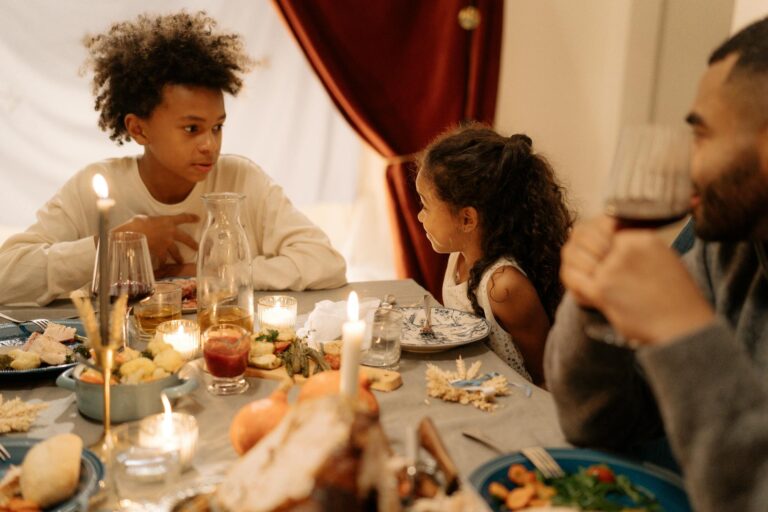
The deepest loneliness isn't living alone — it's sitting at a family dinner where everyone loves you and nobody knows you anymore.

While the world celebrates quick thinkers and smooth talkers, the most intelligent people have discovered something counterintuitive: they've grown quieter, slower to respond, and surprisingly comfortable admitting ignorance—and science reveals why this paradox might be the truest sign of a brilliant mind.

Most of us spend our entire lives desperately searching for happiness, peace, and fulfillment in all the wrong places—never realizing that the very thing we're chasing has been within us all along.

For years I told myself I ran for fitness, until this morning's revelation stopped me mid-stride: I've been unconsciously engineering the only 40 minutes of my day when being completely unreachable isn't just acceptable—it's applauded.

A morning routine does not need to be elaborate to be useful.

This morning, before I'd even fully opened my eyes, I caught my hand reaching for my phone on the bedside table.

When a Harvard study tracking people for over 80 years revealed that the quality of our relationships—not our bank accounts or achievements—determines our happiness and success, it challenged everything we thought we knew about what it means to "make it" in life.

Most lost friendships don't end — they go quiet in a way that looks like continuation, and by the time you notice, the thing that made it real has been gone for years.
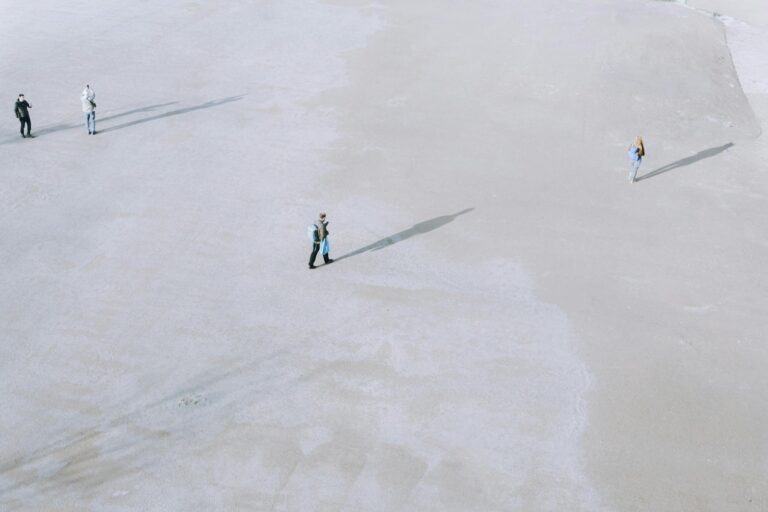
The adult with acquaintances but no close friends isn't avoiding people — they're avoiding a specific childhood arithmetic where love arrived with an invoice attached.
For a generation that learned to untangle their deepest emotions through the slow dance of pen on paper, the switch to typing has created an unexpected crisis—leaving them emotionally constipated in a world where keyboards have replaced the very tool that once helped them feel.