The habit of reaching for a phone during a film is usually diagnosed as a failure of attention. That reading is too flattering to the diagnostic frame and too harsh on the person doing the reaching. A more careful look suggests something else is going on: the body has learned, over years of being reachable, that stillness is not neutral. It is a signal that something might be missing, unattended, going wrong somewhere.

What follows is a reading of the available material, written by journalists rather than clinicians. It is not medical or psychological advice.

The pattern is worth taking seriously because it does not respond well to willpower. People who cannot sit through a two-hour film without checking a screen are often the same people who read three books a week as teenagers. They have the attention. What they have lost is the felt experience of stillness as safe.

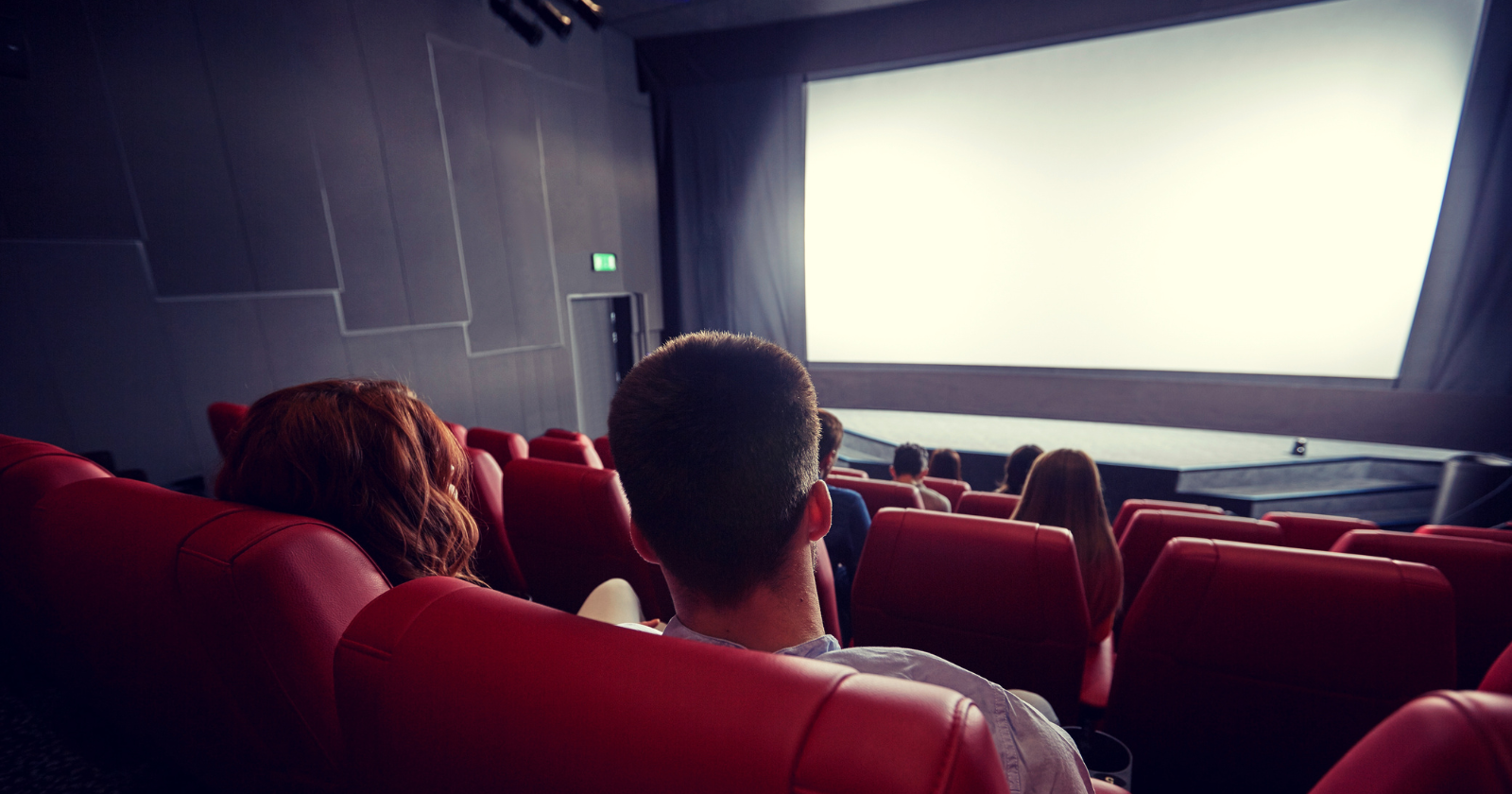
cinema phone glow
Photo by DANIELA CAPPELLA on Pexels

What the reflex actually is

The reach itself is fast. Faster than thought. The hand moves before any decision has been made about whether checking is a good idea, and the check itself rarely delivers anything worth the interruption. A weather alert. A group chat that had already gone quiet. Nothing.

What is being answered is not curiosity about the message. It is a low background hum that has been building for the length of the film, sometimes for the length of years. The reach quiets it briefly. Then it starts again.

People describe this in ordinary language when pressed: a feeling of being behind, a feeling that something is happening elsewhere that they are meant to be part of, a feeling that the quiet itself is somehow suspicious. None of this is unusual. What is unusual, historically, is how continuously modern life trains the response.

What the sources actually describe

The wellness vocabulary has moved quickly on this. Terms like fight-or-flight, vagus nerve, and stress recovery, once mostly clinical, are now common. A June 2026 Forbes piece by Meggen Harris notes that the Global Wellness Summit identified neurowellness as one of the major wellness trends shaping 2026, describing nervous system regulation as a trending topic in wellness culture.

Some of that is marketing. But the underlying description holds up reasonably well. The autonomic nervous system, in the plainest terms available, has two settings that ordinarily balance each other: a mobilising branch that responds to challenge, and a recovering branch that governs rest. When challenge signals stay switched on continuously, the balance shifts. Healthline’s overview describes this pattern of the alert system dominating even when nothing threatening is actually present.

This is not a diagnosis. It is a way of describing a common pattern.

What years of being reachable do

The reachability itself is the specific pressure. A worker who has spent a decade responding to Slack, WhatsApp, email, and text within minutes has trained a particular expectation into the body: that any period longer than a few minutes without checking is a period during which something is accumulating, unattended.

That expectation does not switch off in the cinema. It does not switch off on holiday. In a December 2025 Psychology Today piece, the clinical psychologist Stacey R. Pinatelli argues that prolonged activation of the stress response can start to feel like personality, drawing on research into allostatic load and the systemic effects of chronic stress. The tension stops being a state and starts being a baseline. Restlessness stops registering as something passing and starts feeling like who you are.

Two hours of film-watching is a poor environment for a body that has learned to treat quiet as suspect. There is nothing to answer. Nothing to resolve. The alert stays on with nothing to discharge it.

dark room screen
Photo by Maurício Mascaro on Pexels

Why this is not the same as being distracted

Distraction implies that something more interesting has pulled focus from the film. Often, the phone check does not deliver anything interesting at all. That is the tell. If the check were about the content of the check, boring checks would extinguish the habit within weeks. They do not.

What the check delivers is a small pulse of orientation. Location: found. Status: current. Nothing has slipped past. The body, briefly, gets what it has been asking for. And then, because nothing has actually changed about the underlying pattern, the asking starts again.

A May 2026 article in The Conversation by the neurologist Danielle Wilhour describes how many workers finish the day not just tired but wired, with a lingering sense of urgency that persists into moments meant to be restful. The cinema is one of those moments. So is the long dinner, the walk without headphones, the evening on a sofa without a second screen.

The word distracted places the fault in the wandering mind. That is not quite what is happening. The mind is doing what the body has trained it to do.

Where the framing gets oversold

This is one line of research and one wellness conversation, not settled consensus about why any specific person reaches for their phone. It is worth being honest about that.

Another piece in The Conversation offers a useful corrective on the vocabulary itself, noting that when people say their nervous system is overloaded or needs a reset, they are often using shorthand for a range of experiences that do not all map cleanly onto a single physiological mechanism. Some of the wellness content compresses complicated biology into a thirty-second reel. The Forbes piece makes the same point: complex physiological concepts get flattened when they migrate onto social platforms.

So it is worth holding the observation and the mechanism loosely. The observation is durable: many people who used to be able to sit through films now cannot. The mechanism is a plausible reading, not a proven chain of cause and effect for any individual case.

And there is a related caution. Not every episode of restlessness in a cinema is about years of reachability. Some films are boring. Some seats are uncomfortable. Some people simply do not enjoy sitting for two hours in the dark. The pattern being described here is the specific one: a person who wants to watch the film, has chosen to be there, and still cannot stop reaching.

What sits underneath the reach

There is a familiar version of this pattern that runs in the opposite direction. Adults who take the long way home from work are inventing a small pocket of decompression that the day did not provide. The film-check pattern is the reverse move. It is decompression refused. The body has been offered stillness and treated it as a threat rather than a rest.

That is worth sitting with, because it inverts the usual framing. The person checking is not failing to relax because they are undisciplined. They are checking because the relaxation itself has become the uncomfortable state. Two hours in the dark, with no one able to reach you and no small task to resolve, is closer to sensory deprivation than to leisure for a body that has spent years being on.

The wellness industry’s answer to this is a menu of resets: breathwork, walking, cold exposure, mindfulness. Some of that helps some people some of the time. None of it fixes the underlying arrangement, which is that many jobs and many social lives now require continuous availability, and the body adapts to what it is asked to do.

What the pattern tends not to be

It tends not to be a moral failure. It tends not to be a lack of appreciation for cinema. It tends not to be evidence that a person has become shallow, or that their attention has been permanently degraded by short-form video. Those explanations are available and popular, but they underestimate how physical the reach is.

The hand goes to the pocket before the thought forms. That is the interesting fact. Whatever is happening, it is happening below the level of deliberation, and it responds to conditions in the body more reliably than it responds to intentions in the mind.

If the pattern is causing real distress, or interfering with sleep, mood, or health in ways that feel serious, that is a reasonable point to speak to a GP or a qualified therapist rather than a wellness feed. The mechanism being described here is ordinary. The severity varies.

The film is not the test. It is just the place where the pattern shows up most obviously, because the film asks for the one thing the body has stopped being able to do easily, which is nothing at all.