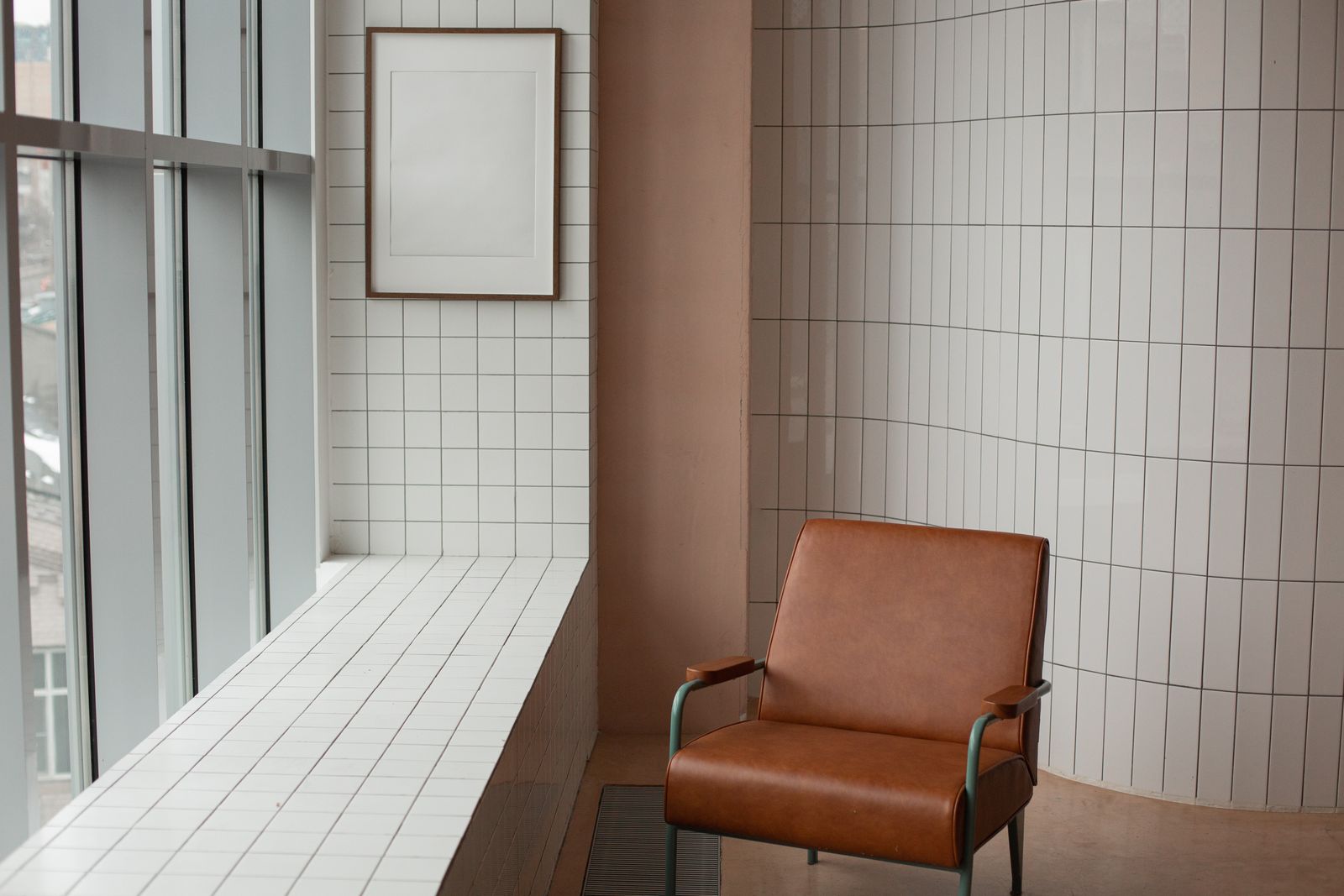
In most households where one chair is informally off-limits, nobody had to make it a rule. The person who claims it sits there enough times, with a particular look on their face, that the rest of the family learns to drift toward the sofa instead. Children figure it out by the time they can walk. Visitors are gently redirected. The chair becomes load-bearing in a way that has nothing to do with the furniture and everything to do with what the person in it is trying to hold together.
The easy reading is that this is territorial behaviour, some leftover primate instinct about resource guarding. That reading is wrong, or at least incomplete. The chair is not being defended because it is valuable. It is being defended because, for the person who sits in it, it is the one location in their week where nothing is currently being asked of them.
The geography of demand
Most adults live inside a thick weather of small requests. The kitchen is where someone needs dinner started. The bedroom is where a partner might want to talk about the calendar. The hallway is where a child intercepts you with a half-finished sentence about a teacher. Even the bathroom, increasingly, is not exempt. Phones travel everywhere, and the demand index of any given room is a function of who else can find you in it.
What the off-limits chair offers is not solitude in the literal sense. The chair is often in the living room, surrounded by other people. What it offers is a known coordinate where the social contract has been quietly renegotiated: while the person is in this chair, they are not on duty.
That distinction matters. Solitude can be lonely. Being un-asked-of in the middle of your own family is something else. It is the experience of being present without being available, which is one of the rarest psychological states a working adult gets to occupy.
What the nervous system actually needs
The body does not recover from cognitive load by lying down. It recovers when the parasympathetic nervous system is given a clear signal that the demand period is over. A 2025 study published in Scientific Reports on light-guided resonant breathing in a simulated office environment found that even five minutes of paced breathing produced significantly greater heart rate variability recovery than passive rest, particularly after cognitive stress.
Two details from that study deserve attention. The first is that passive rest, by itself, was not enough. Sitting still after a demanding task did less for participants than active, structured breathing. The second is that participants rated the structured recovery as more enjoyable than just resting, and perceived it as more effective.
This is the deeper logic of the protected chair. It is not a passive rest spot. It is a cued recovery location. The chair, the lamp beside it, the particular angle of the cushion, the unspoken rule that no one will approach with a question — these are the environmental signals that tell the body it is safe to downshift. Without those signals, the same body in the same room would stay on alert.
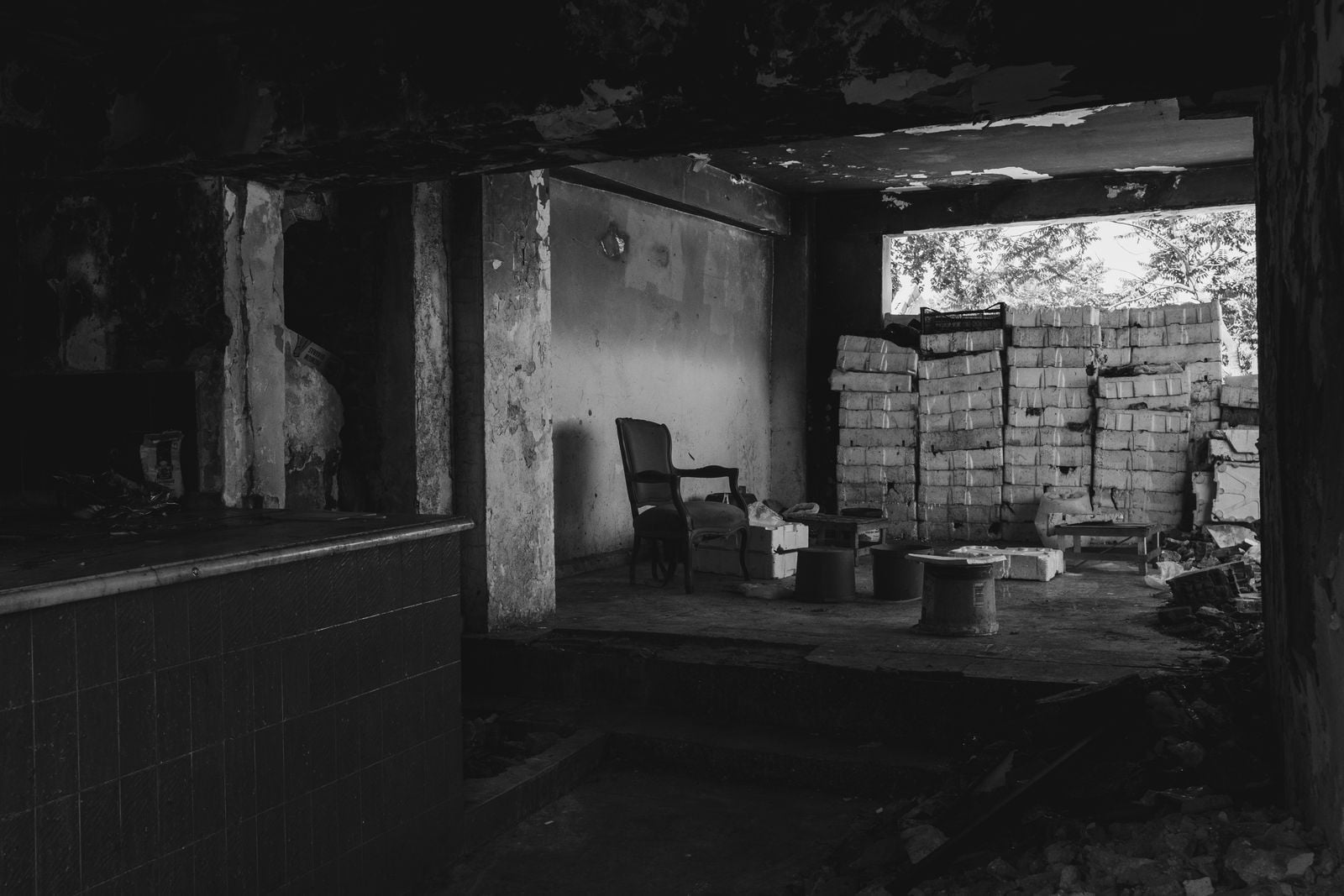
Boundaries that don’t require a conversation
Most of what gets written about boundaries assumes a verbal transaction: you say no, you push back, you decline the meeting. The Forbes psychologist Mark Travers, writing about different boundary-setting styles, points out that this framing misses most of what is actually happening. Boundaries are shaped by how much we absorb other people’s emotions, how comfortable we are with conflict, and how much structure we rely on to feel safe. Some people use clear non-negotiable rules. Others rely on flexibility and read the room.
The off-limits chair is a structural boundary that does not require any of the more exhausting verbal work. The household has absorbed the rule without anyone having to enforce it. For people high in emotional absorption — those who feel other people’s distress as their own — this kind of pre-built structure is enormously protective. It means they do not have to actively say no fifty times a week to get the same result.
This is the part the territorial reading misses. The chair is not aggression. It is the opposite. It is an attempt to need less from the people around you by setting up a small piece of architecture that does the boundary work on your behalf.
Who tends to need one
The pattern shows up most clearly in people who, in other parts of their life, have a hard time turning requests down. The parent who answers every text. The colleague who picks up the slack. The friend who hosts. The adult child who manages the family logistics. These are the people for whom a chair-sized exemption is not a luxury but a survival mechanism.
People who grew up in homes where their needs were not reliably honoured often develop indirect ways of protecting themselves as adults. Instead of asking for space in words, they build it into routines, objects, and rooms — the request gets made through architecture rather than conversation.
A chair is easier than a sentence. A chair does not have to be defended. It is already there.
This connects to a wider pattern worth naming. The same adults who keep a protected chair often also belong to a group Silicon Canals has profiled before: adults who claim they have no preference about where to eat or what to watch. Both behaviours come from the same underlying calculation: minimise the visible demand you place on others, then find quieter ways to meet the demand inside yourself.
Why the chair has to be the same chair
Any chair in the house could, in principle, serve this purpose. So why does it have to be that one? Why does the person in question seem mildly aggrieved when a visitor settles into it without realising?
The answer is about conditioning, in the boring physiological sense. The body learns associations between locations and states. A chair that has been the recovery spot a thousand times becomes a faster recovery spot than an identical chair in a different corner. The smell of the cushion, the light from the window, the height of the armrest relative to the elbow — these are not aesthetic preferences. They are cues the nervous system has memorised. When someone else sits in the chair, the cues get scrambled. When the person finally reclaims it, the chair has to be reset, which takes time the protected hour was supposed to provide.
This is why the irritation is disproportionate to the offence. It is not about the chair. It is about the half-hour of recovery that the chair was supposed to deliver and now will not.
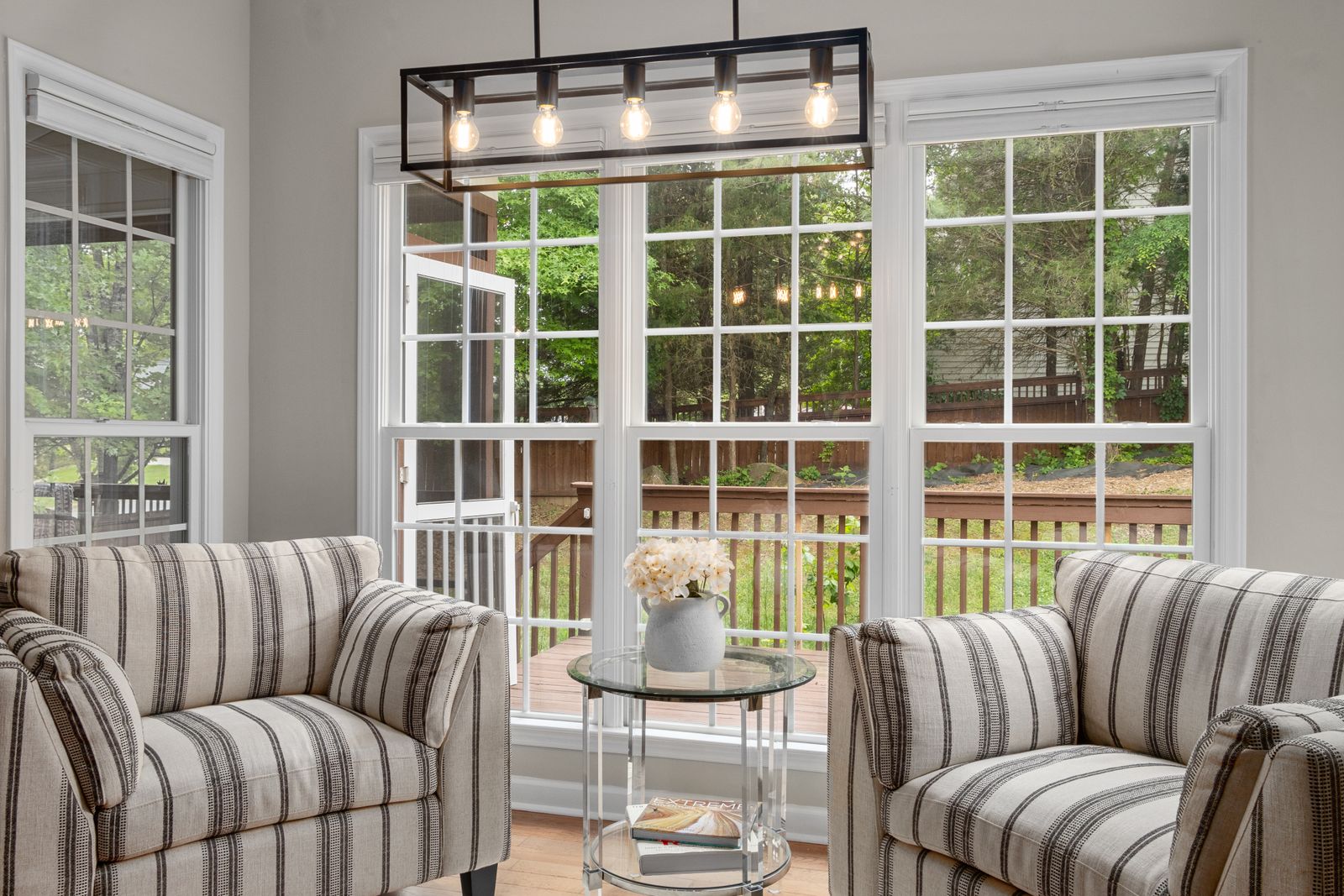
The chair is not a substitute for the conversation
None of this means the chair is healthy on its own. Structural boundaries can become problems when they replace conversation rather than supplement it. A rigid boundary style can work in high-demand environments and collapse in intimate ones. The same applies here. If the only way someone in a household ever gets to be un-asked-of is by retreating to a single piece of furniture, the household has a problem that no chair will fix.
The chair works best as a holding pattern — a way of getting through the years when the demand is genuinely too high to negotiate down. A new parent does not have time to renegotiate the architecture of their day. They have time to sit down. The chair buys the half-hour that the conversation, eventually, will need.
The risk is when the chair becomes permanent infrastructure. When the half-hour is the only half-hour. When the household organises itself around the unspoken rule rather than ever examining why the rule was needed in the first place. At that point the chair has stopped being a recovery spot and started being a symptom.
The wider pattern of protected square metres
Once you start looking for it, the chair is one of many small territories adults carve out for the same purpose. The corner of the garden where one person weeds and nobody else helps. The early-morning kitchen before anyone else is awake. The specific bench at the specific bus stop. The drive home that takes the long route. These are all the same artefact: a square metre, or a fifteen-minute window, in which the person is not currently being asked for anything.
This is closely related to a dynamic covered elsewhere on this site: people who reach midlife with few close friends after years of being the one everyone leans on. The same psychological account applies. People who have spent decades being needed develop intricate, often invisible systems for buying themselves small pockets of un-needed time. The chair is the household version. The thinned-out friendship list is the social version. The locked study door is the professional version.
What unites them is not avoidance. It is the recognition that recovery cannot happen on demand. It requires location, repetition, and the absence of incoming requests. A person can love their family completely and still need a chair that the family does not sit in.
What to do if you live with one
If someone in your house has a chair, the useful thing is not to challenge it. The chair is doing work the household has not had to do consciously. Removing it without replacing the function will not produce a more available family member. It will produce a more depleted one.
The more useful question is what the chair is compensating for. If the person in it has no other reliable un-asked-of time — no commute that functions as decompression, no morning routine the household respects, no hobby that gets undisturbed hours — then the chair is carrying more than it should. The fix is not to take the chair away. It is to build more square metres elsewhere so that one chair is not the entire infrastructure of their inner life.
The chair will probably stay either way. That is fine. The Forbes piece on boundaries that strengthen relationships makes the case that small, seemingly selfish protections often function as the load-bearing beams of long partnerships and family life. The person who has somewhere to recover is the person who can come back to the kitchen, the hallway, the bedroom, and be present in them.
A chair nobody else sits in is a small thing. It is also, for many adults, the difference between the version of themselves who can keep going and the version who cannot. The territorial reading misses this entirely. The chair is not a claim on the room. It is a quiet, furniture-shaped answer to a question the household has never had to ask out loud: where, exactly, does this person get to stop?