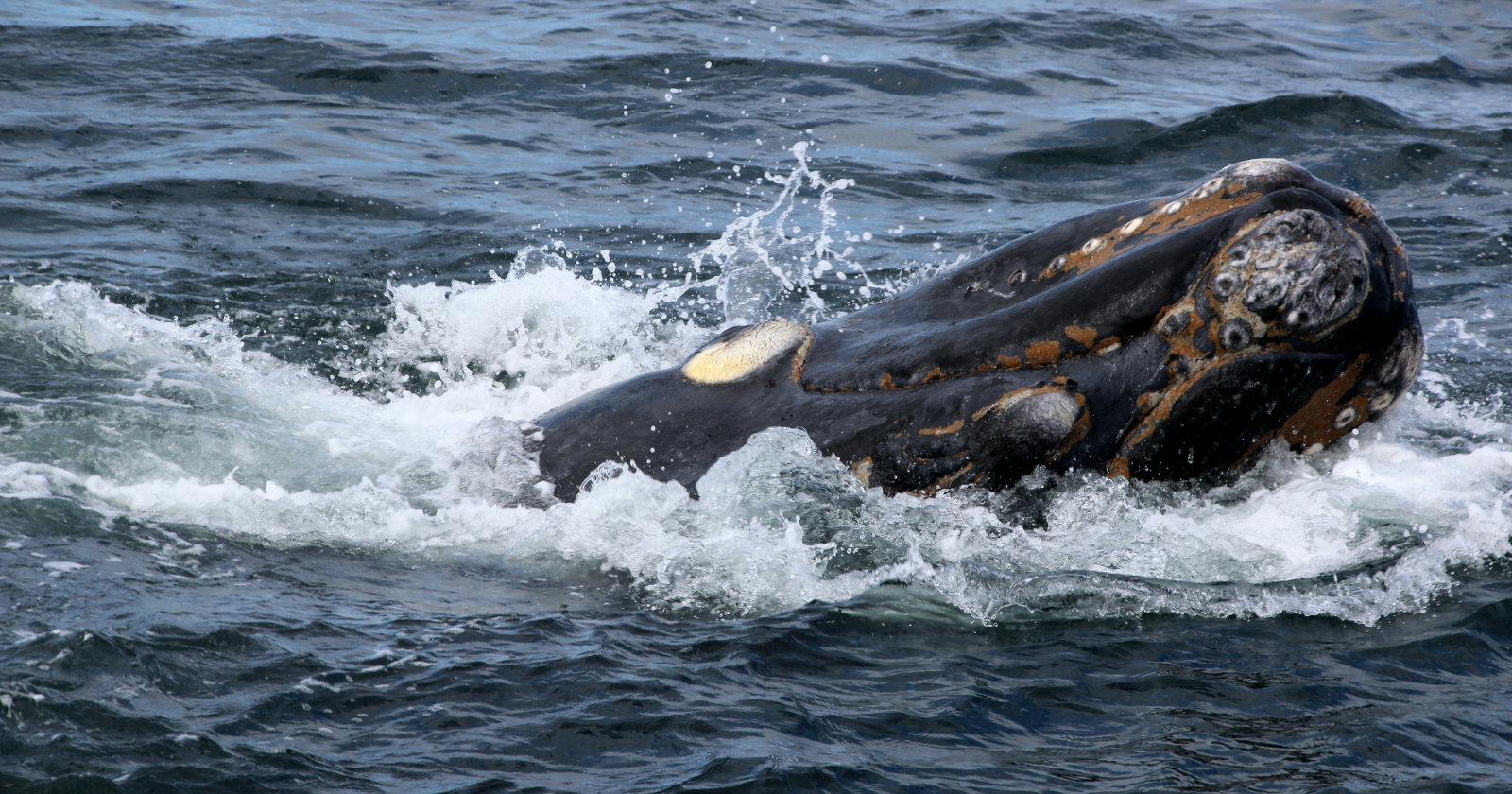
A bowhead whale’s exceptional lifespan raises a compelling question: how can such a large, long-lived mammal maintain its cells? A Nature study published on 29 October 2025 investigated DNA repair, rather than following tumours in whales over a century.
What the experiments showed
The researchers found efficient, accurate repair of DNA double-strand breaks in bowhead fibroblasts. A protein called CIRBP contributed to this performance. Increasing CIRBP in human cells improved repair, while reducing it in whale cells impaired repair.
The study also included transformed-cell and mouse xenograft experiments: elevated CIRBP delayed tumour growth in that experimental setting. Engineered fruit flies lived longer and resisted DNA damage. These results do not establish that naturally occurring tumours in wild whales stop progressing for decades.
Repair rather than invulnerability
The University of Rochester’s account explains an important nuance. Bowhead cells required fewer oncogenic changes than human cells to become cancerous in the researchers’ experiments. The proposed advantage is a reduced likelihood of accumulating those changes through better repair, rather than cells that cannot become malignant.
Bowheads are warm-blooded mammals. Cold seawater is not evidence that their tissues simply take on the surrounding water’s temperature, or that freezing water switches on a cancer-prevention system throughout the animal.
What this could mean for people
A laboratory finding can identify a promising research direction without becoming a treatment. It remains necessary to test how changing CIRBP affects different tissues, whole mammals and safety over time. The work does not provide a human longevity therapy or a guaranteed timetable for one.
The remarkable story here is that comparison across species can reveal ways cells maintain their genomes. It deserves attention on those terms, without an invented observation of century-long tumour standstills.
Correction, 3 October 2026: The earlier article described stalled tumours in wild whales as an observed phenomenon supporting this research. The study instead examined cellular DNA repair and experimental models. Unsupported claims about decades-long tumour standstills and freezing-water activation have been removed; the study’s publication date has been corrected.