

Stop asking what AI can do and start asking what it can’t
For the last two years, just about every conversation we've had about AI and careers has revolved around the same question.

Technology, AI, capital and institutions, examined through who builds systems, who controls them and who benefits.
11,488 articles · Technology & Power
For the last two years, just about every conversation we've had about AI and careers has revolved around the same question.

While visionary founders dominate headlines and TED talks, venture capital data reveals a startling truth: 70% of startups fail not because of bad ideas, but because their founders couldn't maintain stable behavioral patterns through the chaos of building a company.
Most people cannot recall the last time they actually read a terms of service agreement.
The last two years felt like the AI wave had arrived.

When the machines can do what defines you, you're left staring at a question most of us have spent decades avoiding: who are you when you strip away the job title that's been your answer to everything?

When Vivek Raghavan saw ChatGPT for the first time, he faced a choice that defines the AI era for most of the world's population.

The question everyone asks about AI and jobs is the wrong question.
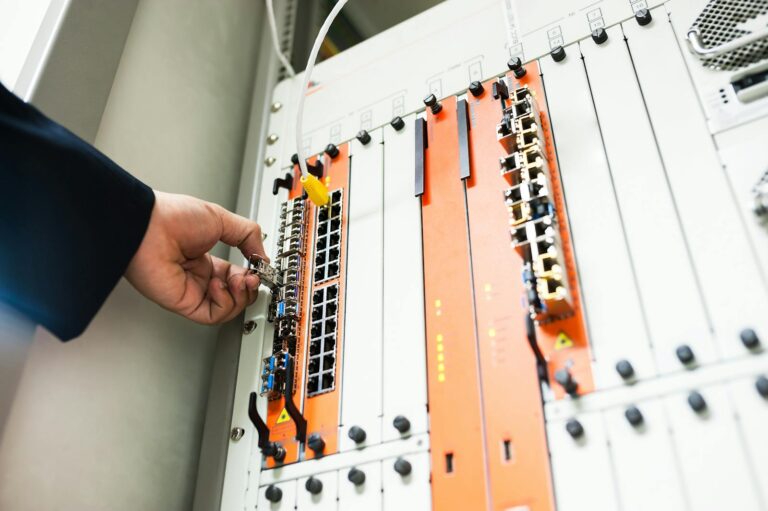
In late March 2026, Iran’s military leadership formally declared that AWS, Google, and Microsoft data centers hosting U.S. defense workloads constitute legitimate military targets under international law, and the statement landed with a weight that most people in the cloud industry still haven’t fully absorbed.
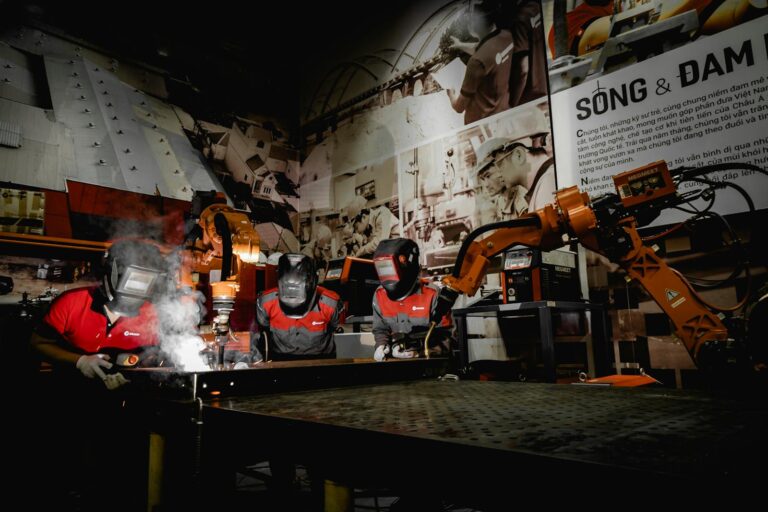
While Western discourse around AI remains fixated on job displacement, Japan is deploying physical AI to solve a fundamentally different problem: there aren't enough workers to displace.

The US economy added jobs last year and inflation fell to 2.4% in January, its lowest figure in months, and the White House declared the inflation crisis over.

Three years ago, when I moved to Singapore for wealth accumulation and business scaling, I was struck by the sheer physical presence of the data infrastructure around me.

The cost of building a frontier AI model has crossed significant financial thresholds in training compute alone, and the countries that cannot pay that price are not waiting around for charity.