

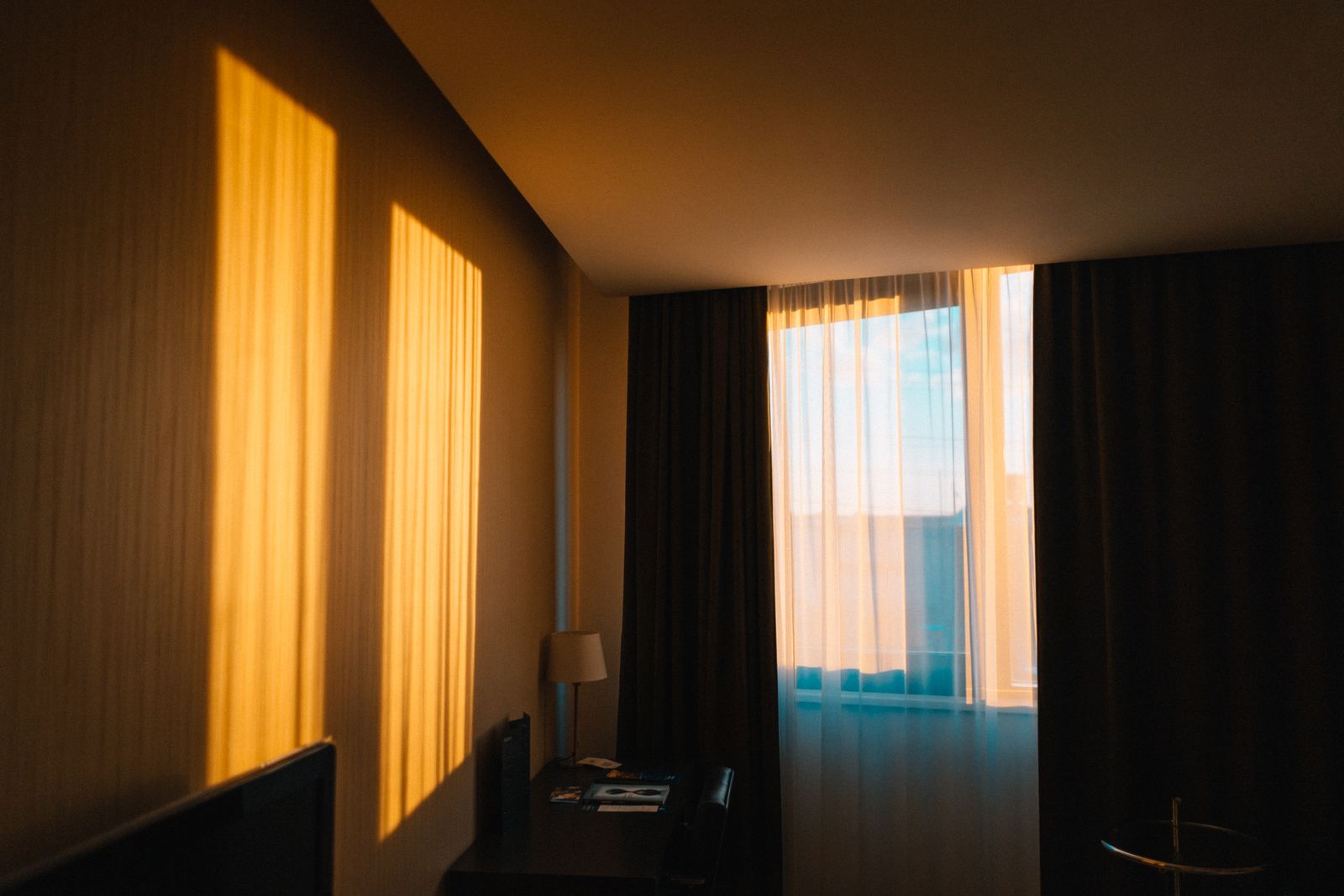
The candle, the made bed, the parted curtains. Strip away the Instagram aesthetic and the wellness-industrial packaging, and what’s actually happening in those first ten minutes of someone’s morning is a quiet act of jurisdiction. Before the inbox loads, before the group chat lights up, before the toddler or the boss or the dog has registered a claim, the person performing these small acts is establishing one fact: this hour, this room, this version of the day, is theirs first. Everything that comes next will be a negotiation. But the opening terms have already been set.
The conventional reading of morning routines treats them as either virtue signalling or productivity theatre. Bedmakers are dismissed as type-A. Curtain-openers get filed under self-care discourse. Candle-lighters are accused of performing a Pinterest version of adulthood for an audience of one. But that framing misses what the behaviour is actually doing at the level of the nervous system, and it ignores a substantial body of research on why repeated, intentional acts at the start of a day function so differently from the chaos most adults default to.
The difference between a habit and a ritual
A habit is something you do without thinking. A ritual is something you do precisely because you are thinking. The distinction matters. Rituals function as fixed, repeated sequences of actions performed before or after a meaningful event in order to achieve a desired outcome. The desired outcome in the morning case is not productivity. It is ownership. The person striking a match at 6:47 a.m. is not trying to optimise anything. They are trying to be the first author of the day.
People use these sequences to calm themselves down, amp themselves up, and connect to something larger than the immediate demand in front of them. The candle does not smell particularly different from the unlit one. But the act of lighting it is a declaration. Something has begun. Something is being marked.
This is why the wellness-versus-performance debate misreads the behaviour entirely. Performance requires an audience. Most of the people doing this are alone in a quiet kitchen at an hour nobody else is watching.
Why the nervous system reads a made bed as safety
There is a reason the bedmaking instinct survives in adults who otherwise hate housework. A made bed reorganises the visual field of a room. The largest object in the space goes from chaotic to ordered in under sixty seconds. The brain, which is constantly scanning the environment for cues about whether things are under control, registers this as a signal: someone competent has been here. That someone is you.
The same logic explains the curtains. Opening them is not really about light. It is about deciding, before the day decides for you, what the day will look like. Closed curtains keep yesterday’s version of the room intact. Open curtains commit you to the present one. Small acts of agency over physical space have outsized effects on mood, partly because they interrupt the pattern of days governed mostly by other people’s priorities.
The person who keeps a glass of water, a charger, and a book in the same arrangement every night is running the same operating system. The arrangement is not the point. The predictability is.

The research on ritual as resilience
Writing in Psychology Today, researchers describe ritual as a series of acts regularly repeated in a specific manner, and note that studies have linked ritual practice to enhanced experience, increased sense of control, and reduced anxiety. The morning sequence — candle, bed, curtains, sometimes a slow first cup of coffee — fits this definition exactly. The acts themselves are minor. The repetition is what does the work.
Ask yourself how many decisions you’ve already made by 8 a.m. on a normal Tuesday. Now ask how many of them you actually chose.
A separate analysis of ritual and anxiety reduction points out that even rituals with no logical connection to the outcome they precede still reduce anxiety reliably. The mechanism is not magical. It is cognitive. Knowing that the next action is already chosen frees the brain from low-grade decision-making, and low-grade decision-making is what eats most adults alive before noon. Against that background, the small morning sequence is not indulgence. It is structural. It is the only stretch of the day in which the person performing it gets to be the cause rather than the effect.
What the curtains are really doing
Consider what happens in the opposite case. The phone is the first object touched. The first information that enters the brain is someone else’s urgency, someone else’s grievance, someone else’s marketing. The day’s emotional weather is set by an algorithm that does not know the person’s name. By the time the kettle boils, the morning belongs to fifteen strangers and a notification badge.
The candle-and-curtains person is interrupting that sequence at the only point it can still be interrupted. Once the phone is in your hand, the day’s tone is no longer yours to set. Before it is in your hand, you have a window. The window is small, but it is real.
This is also why the behaviour clusters. People who light the candle tend to also make the bed. People who make the bed tend to also open the curtains. The acts are not unrelated tics. They are the same act repeated in different mediums, each one a small assertion that the environment is responsive to the person living in it.
The self-determination thread
Self-determination theory identifies three basic psychological needs that have to be met for sustained well-being: autonomy, competence, and relatedness. Autonomy in this framework is not freedom from constraint. It is the sense that your actions are volitional, that you are doing what you are doing because you have chosen it.
Think about your own morning for a moment. The alarm is set by the meeting. The clothes are dictated by the dress code. The breakfast is determined by what is left in the fridge after a week of not having time to shop. The morning ritual is one of the few moments in the day when autonomy can be manufactured cheaply and reliably. Striking the match is volitional in a way that almost nothing else is.
Research on autonomy support in development shows that satisfaction of the basic need for autonomy is consistently linked to lower rates of depressive symptoms and higher positive affect. The mechanism that protects a teenager whose parents allow them to make their own small choices is the same mechanism the adult is trying to give themselves at 7 a.m. with a candle and a bedspread. Nobody else is granting the autonomy. The person is granting it to themselves.
Why it feels different from cleaning
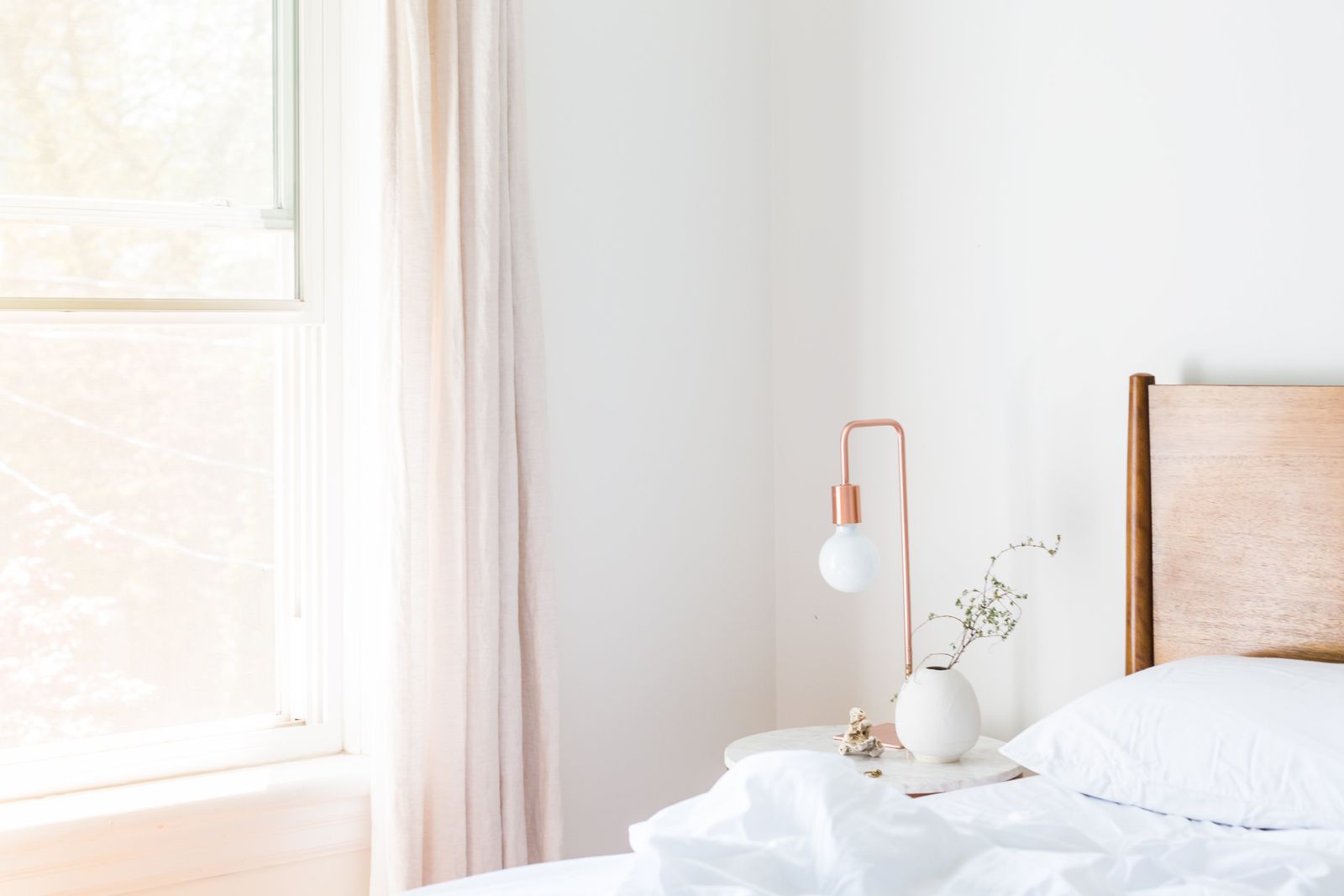
Anyone who has done both knows the difference. Cleaning is reactive. The morning ritual is preemptive. Cleaning is about removing something that should not be there. The morning ritual is about installing something that should. The bed is not made because the bed was offensive unmade. The bed is made because the made bed will be there in nine hours, when the person who made it returns from a day of being other people’s resource, and finds at least one room in the house already on their side.
This is why people who keep a spotless kitchen and a chaotic car are running a different system entirely. The kitchen is for strangers. The morning ritual is not. It is for the person performing it, and it has no public-facing component, which is exactly what makes it feel like ownership rather than display.
The protected hour
There is a related behaviour worth noticing: the person who lingers in the parking lot before going inside their own house. The morning ritual and the parking lot pause are the same instinct deployed at opposite ends of the day. Both are attempts to find a sliver of time that nobody else has scheduled, claimed, or interrupted. The morning version is preemptive. The parking lot version is recuperative. Adults who do both tend to talk about them as the parts of their lives that feel most theirs. The hours in between, the working hours, the parenting hours, the obligation hours, are negotiated. The candle and the parking lot are not.
What this is not
It is worth being honest about what the morning ritual cannot do. It will not fix a job that is grinding the person down. It will not repair a relationship that is unravelling. It will not compensate for sleep deprivation, financial precarity, or grief. Rituals reduce anxiety; they do not remove the causes of it. The candle is not a substitute for the harder structural work of a life. But it is also not nothing. Small, repeated, intentional acts produce measurable reductions in stress reactivity and measurable increases in sense of agency. The same logic underlies behaviours like keeping separate indoor and outdoor shoes: the act itself is small, but the line it draws is real. The candle draws a line between the night and the day. The bed draws a line between sleep and being awake. The curtains draw a line between the private interior and the public exterior. Each line is a small claim. The claims accumulate, and they accumulate precisely because nobody is watching.
The proof, not the performance
The reason this behaviour gets misread as wellness theatre is that the visible elements look like the visible elements of wellness marketing. The candle is photogenic. The bed is photogenic. The light through the curtains is photogenic. None of which is the point.
So here is the uncomfortable part. If you skip the ritual tomorrow, nothing collapses. The day still happens. The inbox still loads. The toddler still wakes up. That is exactly why most people never bother — the cost of skipping is invisible until you have skipped it for six months and cannot remember the last morning that felt like yours.
Ask yourself who set the terms of your last three mornings. If you cannot name them, that is the answer. The day is going to make claims. The only question is whether you got yours in first, or whether you are still waiting for permission to.
