Between 2011 and 2015, American body brokers, companies with names like Biological Resource Center, Restore Life USA, and MedCure, received donated human bodies and shipped body parts across the United States and overseas, according to the Reuters investigation The Body Trade. Almost every one of those bodies came from a grieving family who signed a consent form believing their loved one would help cure a disease, train a surgeon, or advance medical research. Many ended up dissected, priced, packaged, and shipped as parts.
The trade is legal. It is largely unregulated. And it runs on a single, fragile thing: the assumption that the word “donation” means the same thing to the broker as it does to the family.
What a body broker actually is
A body broker, sometimes described by the industry as a non-transplant tissue bank, is a private company that solicits whole-body donations from families, then dissects the bodies and transfers the parts to medical researchers, device companies, surgical training programs, and other buyers.
According to Reuters’ investigation The Body Trade, which reported on broker price lists and invoices, individual parts could be priced separately: a head, a torso, a spine, a foot. The language of donation sat beside the arithmetic of inventory.
Transplant organs, including hearts, kidneys, and livers, are governed by the National Organ Transplant Act, which makes their sale for transplantation a federal crime. Bodies donated for research fall into a different category. There is no single federal licensing system for body brokers, no federal tracking system showing where each part goes, and in many states the barriers to opening such a business have historically been low.
The arithmetic of the four-year window
The Reuters numbers came from shipping records, court filings, and broker invoices subpoenaed during FBI raids and civil suits. The reporting documented how brokers cut and shipped heads, torsos, knees, shoulders, spines, feet, pelvises, and arms.
Broker invoices show that a single cadaver could generate substantial revenue once it was divided into parts.
The pitch families hear
Brokers recruit at the most vulnerable moment imaginable. They partner with hospices, hospitals, and funeral homes. When someone dies, or is close to death, the family may be offered a free cremation in exchange for the donation. For a family facing a funeral bill they cannot pay, the offer can feel like grace.
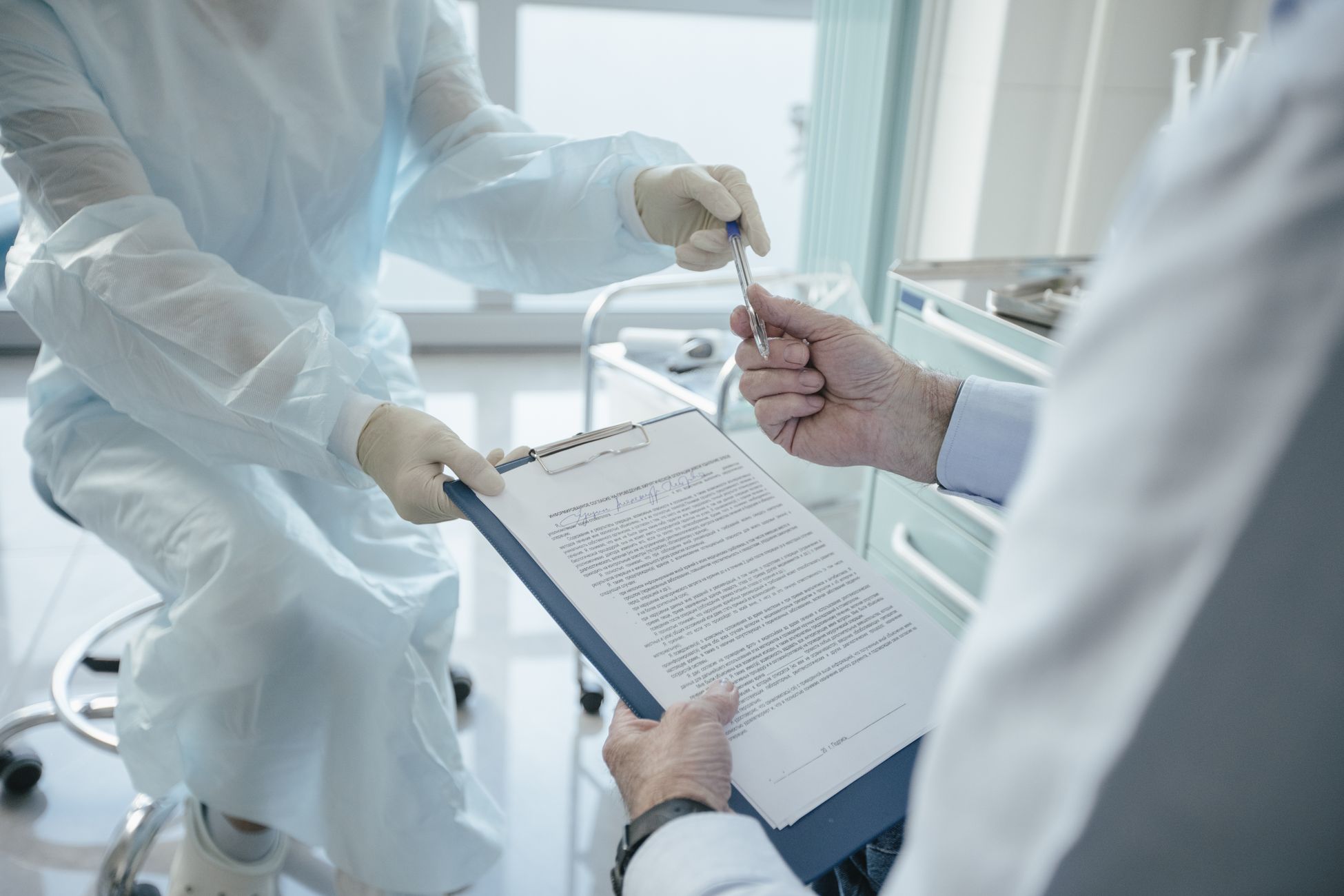
The consent forms are written in soft, mission-driven language. They often emphasize medical education, surgical training, research, and the possibility of future breakthroughs. Some disclose that the body may be dissected and that parts may be transferred to third parties. But the word “sold” may not appear with the same clarity as the promise that the donation will help science.
This is the gap that ethicists keep coming back to. Informed consent, as a principle, requires that the person agreeing actually understands what they are agreeing to. A grieving spouse signing a form at 2 a.m. in a hospice hallway, told their husband will advance science, is not necessarily being asked to picture a shipment to a ballistics testing facility.
Where the parts actually went
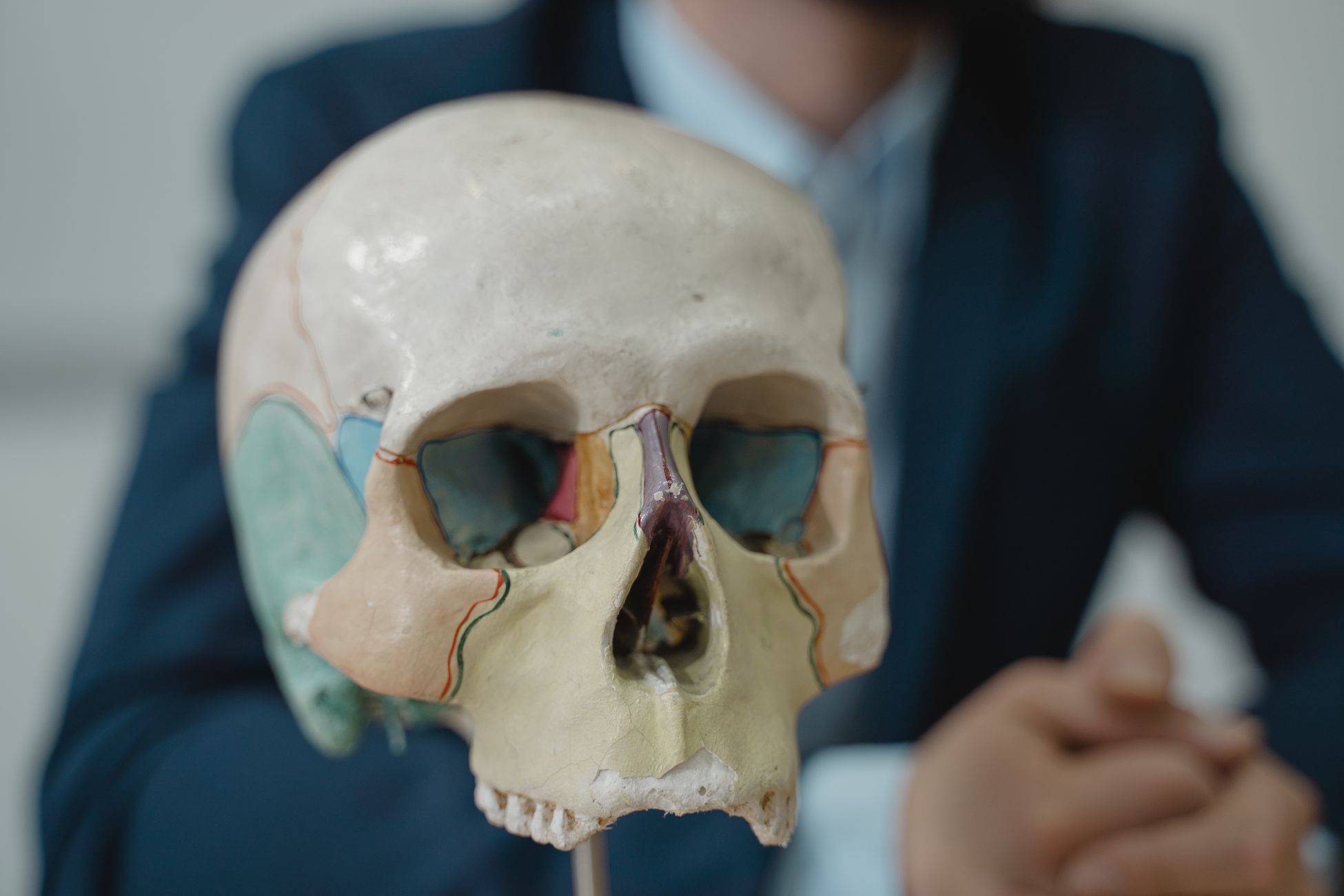
Reuters traced shipments from broker warehouses to a range of buyers. Many were legitimate and medically important: orthopedic surgeons practicing knee replacements on cadaveric knees, dental schools teaching implant techniques, and neurosurgical residents learning skull-base anatomy on donated heads.
Other destinations were harder for families to reconcile with the language of donation. The U.S. Army bought torsos to test the blast effects of improvised explosive devices, strapping cadavers into Humvee seats and detonating charges beneath them. A car-safety company bought spines to study whiplash. A medical-device startup bought feet to test a new surgical screw. Bodies that families believed would help medical research were sometimes used in ways they had not imagined.
None of those uses is automatically wrong. Crash testing saves lives. Blast research can reduce soldier deaths. Surgical training needs real tissue. The problem is disclosure: whether families understood, before they signed, how broad the word “research” could become.
The Phoenix warehouse
The case that broke the story open was Biological Resource Center in Phoenix, which was raided by the FBI. Agents and investigators later described disturbing conditions, including improperly stored human remains, buckets of heads, freezers stacked with limbs, and a torso sewn onto a different person’s head in what appeared to investigators to be a grotesque experiment.
Stephen Gore, the owner of BRC, eventually pleaded guilty to illegal control of an enterprise and was sentenced to probation. A civil jury later awarded $58 million to families whose loved ones had been donated to BRC, finding that the company had fraudulently obtained consent. Many families had been told their relatives would be used for Alzheimer’s or cancer research. Some remains were instead sold for military blast testing and other uses.
Why the system stayed legal
Three things keep the body trade running. The first is demand. Surgical training, medical-device development, and forensic research all need real human tissue, and they need a lot of it.
The second is supply asymmetry. American medical schools, which run traditional whole-body donation programs, cannot meet every demand. Brokers fill the gap. They are faster, commercially flexible, and sometimes willing to accept bodies that academic programs may turn away.
The third is the consent form. As long as a family signed something, the transaction may be treated as authorized, even if the family did not fully understand what they were signing. Ethics frameworks insist that valid consent requires clear information, comprehension, and voluntariness. American body-donation law often turns on the signature.
What “informed” is supposed to mean
The principle of informed consent emerged from a long legal and ethical history that tried to protect bodily autonomy against medical authority. Modern frameworks define consent as a process: disclosure, comprehension, voluntariness, and the ability to make a real choice.
A review in News-Medical summarizes the modern standard plainly: the person must receive the information needed to understand what is being done, why it is being done, and what alternatives or consequences may exist.
The body-broker consent form can struggle to meet that bar. A form may say the body will be used for research without specifying the nature or scope of that research. It may not tell a family that “research” could mean military blast testing, product testing, or a buyer who receives only one part of the person they loved.
The donor families who found out
Some of the most wrenching testimony in the BRC civil trial came from families who learned, years later, what had happened. One woman donated her husband, a Navy veteran with Lou Gehrig’s disease, believing he would help ALS research. His head was sold to the Army for blast testing. She learned this from a Reuters reporter.
Discovering that a body was used for something the family would never have agreed to does not just feel like betrayal. It changes the meaning the family had built around the death. The donation was the one thing that made the loss bearable, the idea that something good came from it.
That is why this industry threatens more than the families directly harmed by bad actors. Donation systems run on trust. Once people believe the system hides what really happens, even legitimate and life-saving forms of donation can be damaged by suspicion.
What has changed since 2017
Not enough. A handful of states, including Arizona after BRC, have moved toward tighter rules for non-transplant tissue banks. Federal legislation aimed at strengthening consent and oversight has been introduced more than once, but the broader national system remains patchy.
The brokers are still operating. The price lists still exist. The demand from device companies, surgical educators, and military researchers has not disappeared. The old donation framework, built around the image of a body studied by one anatomy class in one room, has been stretched by an industry that can divide and ship remains across long distances within days of death.
If you sign a body-donation form today at a hospice in many American states, the document in front of you may still sound like the documents families signed a decade ago. The recipient on the other end of the shipping label is the part that may remain hardest to see.
The figures from those years are now more than a decade old. Nobody has produced a clear national count since.