
Compulsive helpers are not generous. They are afraid.
That sentence will bother some people, and it should. We’ve built an entire cultural mythology around the person who always shows up, always says yes, always carries more than their share. We call them selfless. We call them good. We nominate them for workplace awards and tag them in memes about being “that friend.” The conventional wisdom says these people are simply wired for kindness, that their generosity reflects an overflow of care.
But what I’ve found, both in the research and in my own slow reckoning with this pattern, is that the person who never asks for help isn’t demonstrating strength. They’re performing a survival strategy so deeply rehearsed it looks like a personality trait. And the cost of that performance is a kind of loneliness that most people around them will never notice.
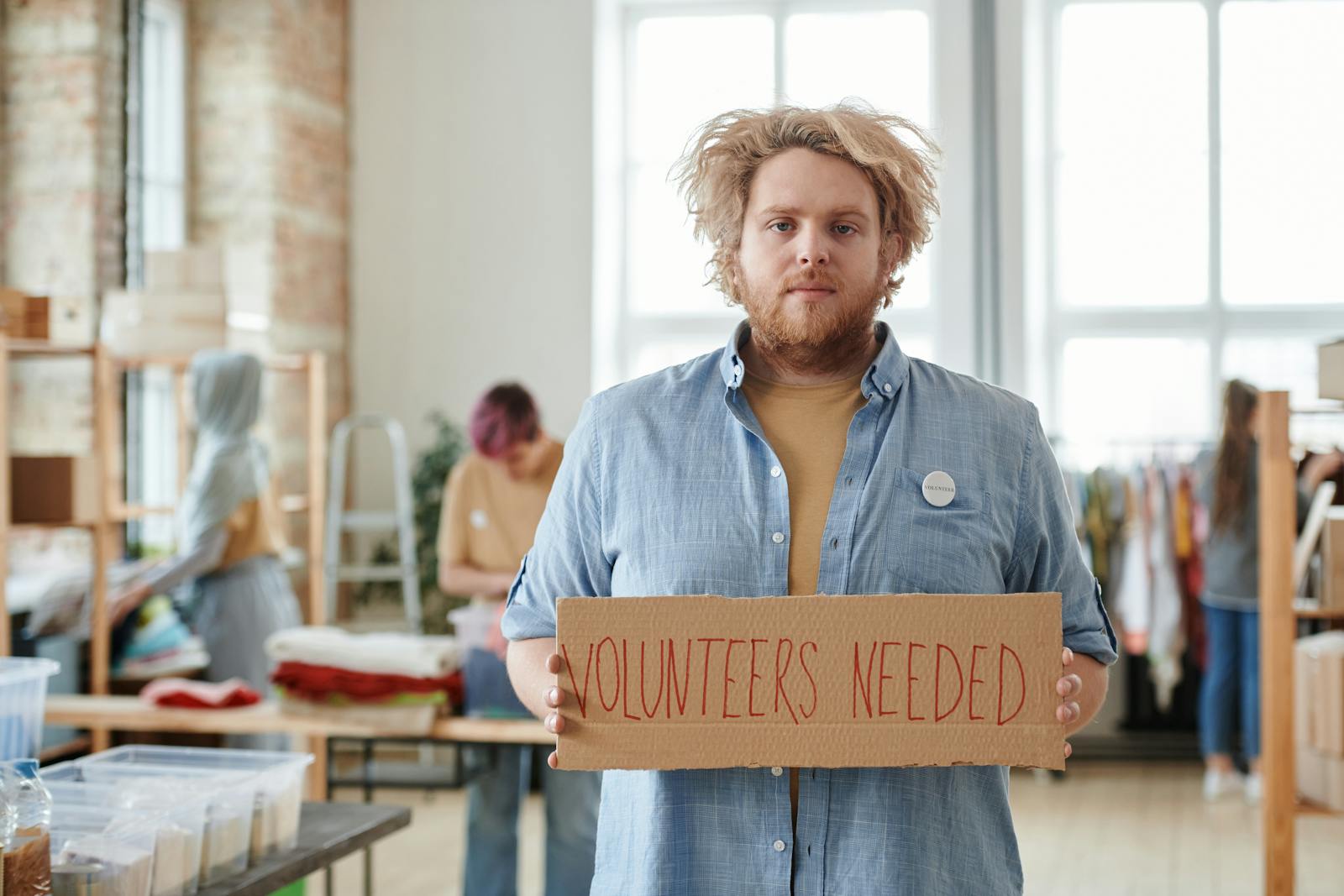
The Origin Story Nobody Remembers
Most of this starts before language does. A child figures out, through trial and repetition, which version of themselves gets warmth and which version gets distance. In homes where love was conditional or unpredictable, kids run experiments. They test what earns attention. What earns safety.
Some kids learn that being quiet works. Others learn that being funny works. And a specific subset learns that being useful works. That carrying the emotional groceries, managing a parent’s mood, stepping into the gap when the adults couldn’t manage, meant they got to stay in the warm circle a little longer.
Adverse childhood experiences don’t have to be dramatic to leave deep marks. They can be as subtle as a parent who only engaged when the child performed a task, or a household where visible need was treated as burden. The child doesn’t sit down and articulate this. They just absorb a rule: I am safe when I am needed. I am at risk when I am not.
Research suggests what attachment theorists have argued for decades: early relationships with parents shape the way we relate to people well into adulthood. The patterns aren’t destiny, but they are stubborn. And the pattern of earning love through usefulness is among the most socially rewarded, which makes it among the hardest to see.
Usefulness as Armour
Here’s what the compulsive helper figured out before they could tie their shoes: if you’re indispensable, you can’t be discarded. If you’re the one holding things together, nobody leaves. The logic is airtight when you’re five.
The problem is that it keeps running at thirty-five.
The adult version looks like the colleague who stays late to finish someone else’s report. The friend who drives forty minutes across town because you mentioned you were stressed. The partner who handles every logistical detail of a shared life and says “I don’t mind” with such conviction that everyone believes them.
They do mind. They’re exhausted. But the alternative, stepping back and discovering whether people stay when they’re no longer the most useful person in the room, feels like a freefall with no parachute.
I wrote recently about noticing that the friends I made in my twenties loved the version of me that was convenient for them. The version that said yes. The version that never made his problems anyone else’s weight. Growing out of that person cost me half my contacts. It cost me none of my peace. But it took years to understand that the “generous” version of me wasn’t generous at all. He was terrified.
The Invisible Transaction
Compulsive helping looks like a gift. It functions like a contract.
The unspoken terms: I will handle everything for you, and in return, you will not leave. I will never burden you with my needs, and in return, you will keep confirming that I matter. The helper rarely knows they’re running this negotiation. It’s pre-verbal. It’s automatic. But the body keeps the ledger even when the mind doesn’t.
This is why the compulsive helper occasionally explodes with resentment that seems to come from nowhere. The people around them are genuinely confused. “But I never asked you to do all that,” they say. And they’re right. Nobody asked. That’s the whole point. The helper volunteered because volunteering was the only way they knew to stay connected.
The resentment isn’t about the tasks. The resentment is about the fact that nobody reciprocates a contract they never agreed to.
Why Asking for Help Feels Like a Threat
For most people, asking a friend for a favour involves some mild discomfort. For the compulsive helper, it triggers something closer to existential dread.
To ask is to need. To need is to be a burden. To be a burden is to be the version of yourself that, in the original story, got left behind. The entire architecture of their identity is built on not needing. Admitting need would pull the keystone out.
Research suggests that childhood experiences shape what we interpret as safe in relationships. For people with secure attachment patterns, vulnerability is a bridge. For the compulsive helper, vulnerability is a trapdoor. They learned early that showing need made them smaller in the eyes of the people they depended on. So they made themselves large through service instead.
There’s a particular cruelty in this: the helper becomes so competent, so reliable, so visibly fine, that people stop checking whether they need support. The mask works too well. And the helper takes the silence as confirmation: see, nobody would come anyway.
The Body Keeps the Score (Even When You’re Smiling)
I once knew an older man who swam every morning and did cryptic crosswords until he was 89. Sharp as a tack. I knew another who declined rapidly after retirement, once the structure that made him feel useful disappeared. I’ve thought about the difference between them for years.
The first man had things he did for himself. The swimming wasn’t service. The crosswords weren’t for anyone else. He had an identity beyond usefulness.
The second, I think, had built his entire sense of self around being needed at work. When the work stopped, so did he. Quickly.
Chronic self-neglect isn’t noble. It’s corrosive. The compulsive helper who never rests, never asks, never takes up space is not building resilience. They’re depleting it. And as I explored in a recent piece on wisdom and rigidity, the capacity to sit with discomfort, including the discomfort of being seen as imperfect, is what separates people who age well from people who calcify.

How the Pattern Reinforces Itself
The compulsive helper attracts people who are comfortable being helped. This is not coincidence. Research suggests that childhood experiences shape our choice of partner and our choice of friends in ways that feel like preference but function like programming.
The helper gravitates toward people who take. The taker gravitates toward people who give. Both parties feel like the relationship is natural. It is natural. It’s also lopsided in a way that confirms the helper’s deepest belief: I am loved for what I provide, not for who I am.
Over time, the helper’s social circle becomes a curated museum of one-directional relationships. Every friendship, every partnership, every work dynamic follows the same blueprint. They give. Others receive. The helper points to this as evidence of their nature (“I’m just a giver”) rather than recognizing it as evidence of their wound.
There’s a related pattern worth noting: children labelled “the responsible one” often grow into adults who can’t rest without guilt. The responsible child and the compulsive helper share a root system. Both learned that holding everything together was their ticket to belonging.
What Actually Helps
Awareness is the start, but it’s not the fix. Knowing you have a pattern doesn’t automatically change it. The nervous system doesn’t respond to insight alone.
The first real step is small and specific: ask for something. Not something huge. Something minor enough that the risk feels manageable. Ask a friend to pick you up from the airport. Ask a colleague to cover a meeting. Ask your partner to handle dinner tonight. Then sit with the discomfort of being on the receiving end.
Notice what your body does. Notice the urge to add “but only if it’s not too much trouble.” Notice the impulse to immediately offer something in return, to balance the ledger before it even tips.
The second step is harder: let people see you struggle. Not as a performance, not as a dramatic reveal. Just stop smoothing over the cracks when someone asks how you are. Say “honestly, this week has been rough” and then stop talking. Let the silence sit there. See what happens.
What usually happens is that people respond with warmth. Not always. Some will be uncomfortable because your competence was serving their needs too. Those relationships will shift. Let them.
The third step is the longest: build an identity that doesn’t depend on being needed. Find things you do that serve no one. A swim at dawn. A book nobody will quiz you on. A walk with no destination and no phone, no one needing anything from you. That particular kind of solitude can feel terrifying at first because without a task, without someone to help, the compulsive helper has to confront a question they’ve been outrunning since childhood.
Am I enough when I’m not doing anything for anyone?
The Quiet Reckoning
The answer, for the record, is yes. But hearing it from someone else doesn’t make it land. It has to be experienced. Repeatedly. In small doses that gradually stretch the window of tolerance.
The five-year-old who learned that usefulness was the price of love did something clever and adaptive. They read their environment accurately and responded with the tools they had. That child deserves respect, not shame.
But you’re not five anymore. The environment has changed. And the strategy that once kept you safe is now keeping you trapped in relationships where you’re valued for your function, not your presence.
True generosity requires the freedom to say no. If you can’t refuse, your yes means nothing. If you can’t ask, your giving is not a gift. It’s a toll you pay to stay in the room.
The bravest thing a compulsive helper can do is not help. Just once. Just to see that the world doesn’t end, that the people who love you don’t leave, and that the version of you who is tired and imperfect and occasionally needs something is still someone worth staying for.
Feature image by Julia Larson on Pexels