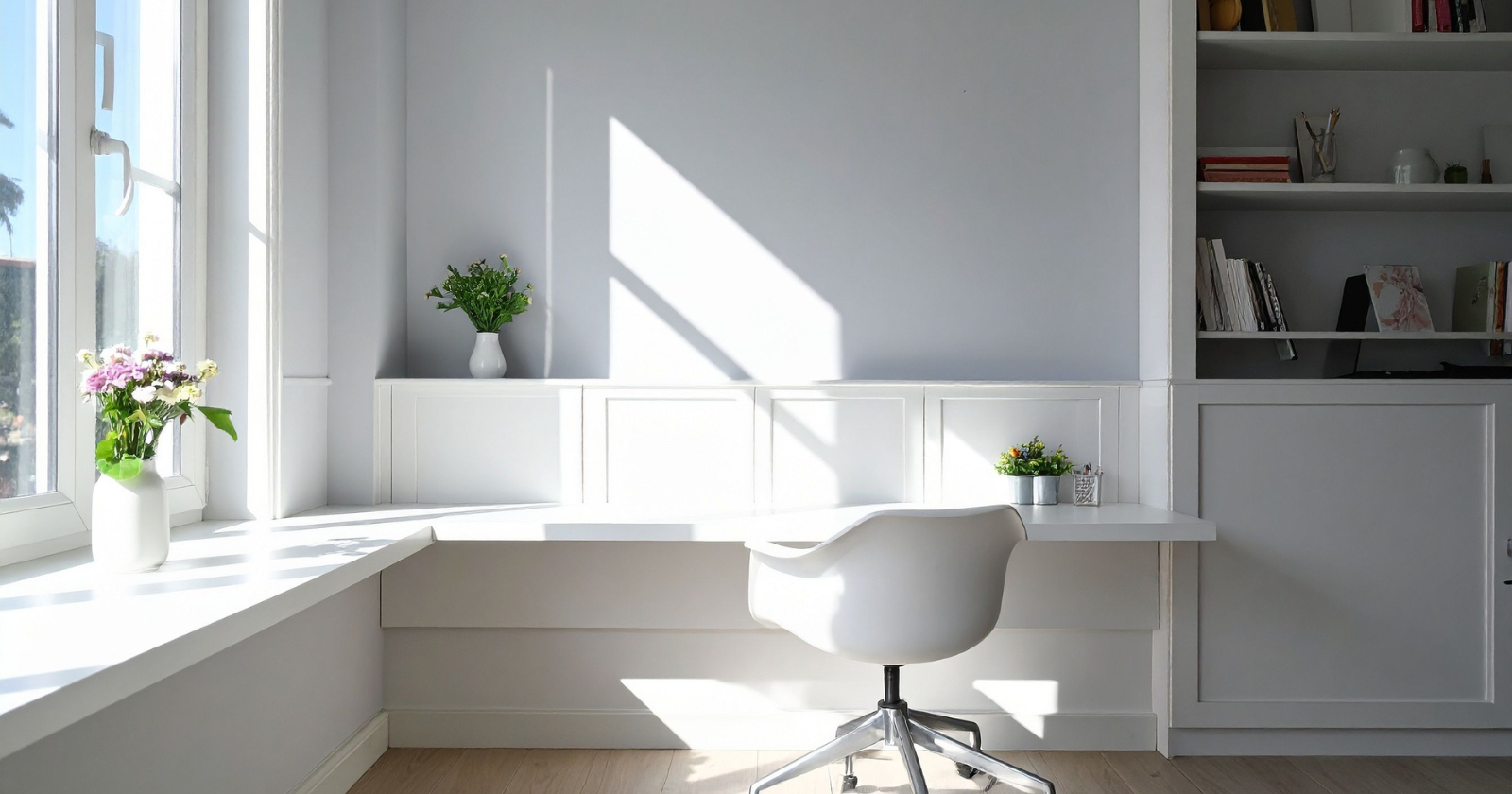
Picture two patients recovering from spinal surgery on the same corridor, on similar drug protocols. It’s a composite, but a close one: in an actual study of patients like this, the ones who took noticeably less pain medication weren’t on a different drug. They were on a different side of the building.
That is close to what a team at the University of Pittsburgh reported after tracking 89 people through elective spinal surgery, a mix of cervical and lumbar procedures. Patients were housed on either the bright or the dim side of a single hospital unit, and rather than guessing at the difference, the researchers measured sunlight intensity in every room, every day. Bright-side rooms averaged 46 per cent more intense sunlight, and those patients recorded less perceived stress and took 22 per cent less analgesic medication per hour, in a study led by Jeffrey Walch in Psychosomatic Medicine, which also worked out to about a fifth less in pain medication costs.
Where the window research started
That result echoes a much older, smaller study that shaped hospital design long before anyone thought to measure lux levels in a patient’s room.
In 1984, Roger Ulrich, then in the psychology department at Uppsala University in Sweden, went through a decade of gallbladder surgery records at a suburban Pennsylvania hospital and pulled out 23 patients whose rooms looked onto a stand of trees, matching each against a patient in an identical room facing a brick wall. Ulrich’s two-page paper in Science reported that the tree-view group went home sooner, 7.96 days against 8.70, collected fewer irritated comments in the nursing notes and needed fewer strong painkillers.
The sample was small and the records were decades old, but the paper has been cited thousands of times since and has shaped more hospital floor plans than most architecture textbooks.
The two findings aren’t quite the same claim: Ulrich tracked which way a bed faced, while Walch tracked how much light actually landed in the room. They point in a similar direction, but only one of them is easy to build a mechanism around.
Pain runs on a clock
Why would sunlight have anything to do with how much medication someone needs? The body clock offers a decent answer.
A French team kept twelve healthy men awake for 34 hours under constant light, temperature and food conditions, a setup called a constant routine that isolates the internal clock from everything else. Then they burned them, gently and repeatedly, with a thermal probe, and watched pain sensitivity swing along a clean daily curve even though the stimulus never changed. Inès Daguet and colleagues, writing in Brain, recorded a peak in sensitivity between roughly 3am and 4:30am and a low point in the afternoon. Their modelling attributed about 80 per cent of that swing to the circadian system and only 20 per cent to accumulated sleep pressure.
Light is the strongest signal that clock runs on, which is what makes a sunlit room function less like decor and more like part of the dosing.
Wards are darker than they look
Daytime light in intensive care rooms rarely climbs above 150 lux. An office sits near 500. An overcast afternoon outdoors runs anywhere from 1,000 to 10,000. When Elizabeth Lusczek and Melissa Knauert logged more than 450 room-days of ICU lighting, they found dim days and something stranger: staff actively dimming natural sunlight in occupied rooms, usually for perfectly sensible short-term reasons.
General wards are not much brighter. Esther Bernhofer’s team strapped light meters to 40 medical inpatients for 72 hours and recorded a mean daytime exposure of roughly 105 lux, with an average of under four hours of sleep a night. Higher light exposure tracked with less fatigue and better mood among the patients who were in pain.
I sat with someone in a ward a few years ago whose curtain stayed shut from breakfast to dinner because the light caught him wrong. Nobody thought of it as anything more than a comfort issue, and maybe it wasn’t. But it also meant the room had no working clock in it, in the biological sense, for most of the day.
Turning light into a prescription
“Now I have another tool in my toolbox,” says Mohab Ibrahim, an anesthesiologist at the University of Arizona. His team gave 29 people with episodic or chronic migraine, all of whom had already exhausted standard treatments, a green LED to run for one to two hours a day in an otherwise dark room. Over ten weeks, the team reported an average drop of around 60 per cent in headache days, in research published in the journal Cephalalgia.
Twenty-nine people, no blinded control arm, and no way to hide what colour the bulb was from anyone in the trial. It’s a preliminary pilot, not a basis for swapping prescribed medication for a desk lamp, and Ibrahim himself describes it as early-stage research rather than a finished treatment.
Why nothing much happens
None of this rests on large trials. Walch is one prospective study of 89 patients with p-values sitting just under 0.05, a result worth taking seriously and a poor foundation for a health system on its own. Ulrich is 46 people from the Carter administration. Daguet is a dozen men in a sleep lab. Stack them together and you get a consistent direction, not a settled fact.
What strikes me is how the incentives sit. A molecule that cut opioid use by a fifth would arrive with a sales force, a formulary code and a conference stand handing out free pens. A pane of glass facing the sun gets none of that. It shows up as a line item at design review, gets weighed against glazing costs and heating loads, and quietly loses to a cheaper wall.
Recovery turns out to be partly a construction decision, and construction decisions are made by people who will never meet the patient.