

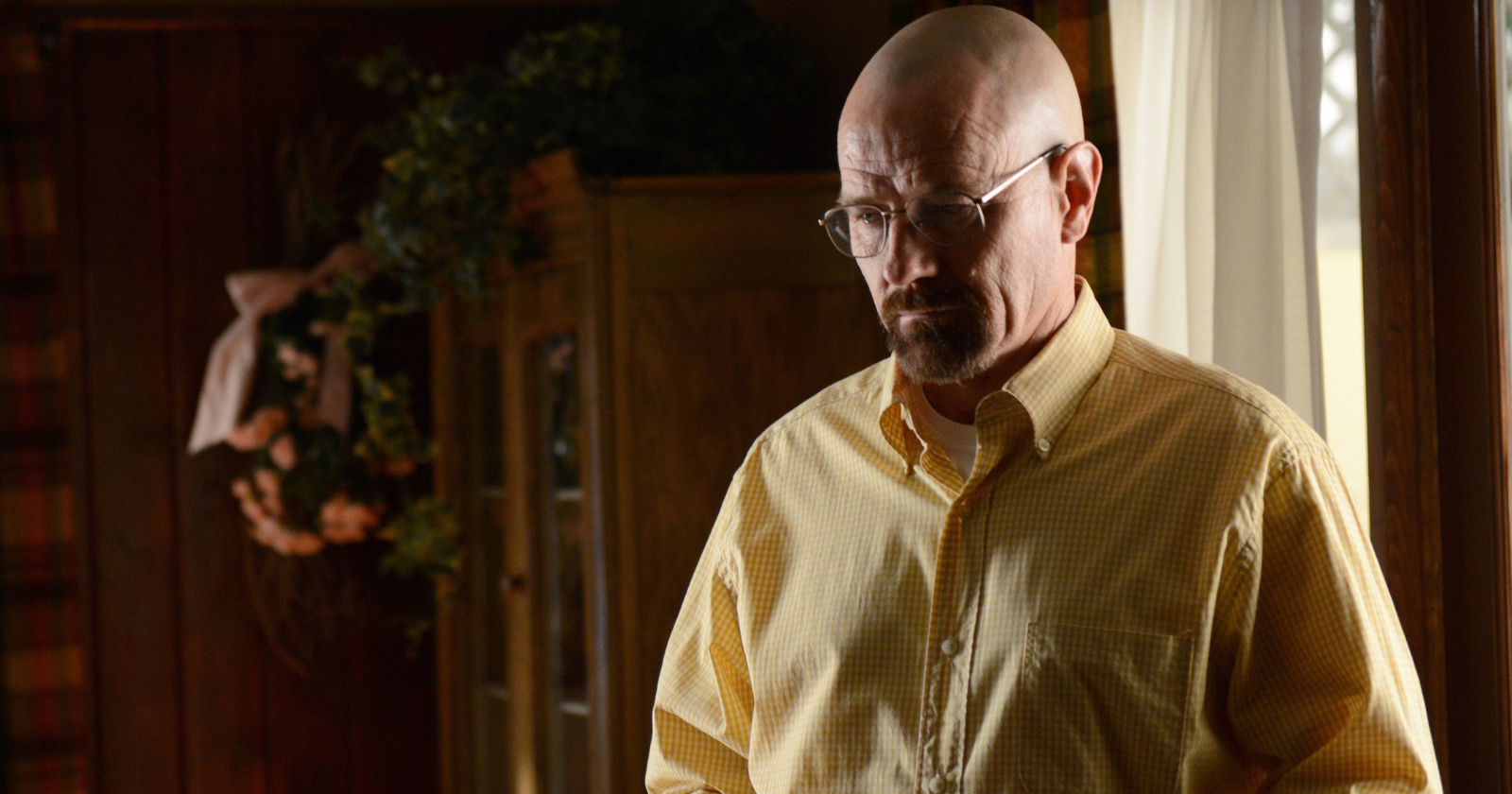
Correction, 15 September 2026: The original headline said John Cusack and Matthew Broderick had turned down Walter White before the role reached Bryan Cranston. Cusack has publicly denied turning it down, and the available reporting does not document a formal offer to him.
Before Bryan Cranston was cast as the chemistry teacher turned meth kingpin, John Cusack and Matthew Broderick were reportedly discussed as possible Walter Whites. Retellings have often said both actors received the pilot and passed, but the evidence is not that clean: Cusack has publicly denied turning the role down, and no formal offer to him is on the record. Broderick has been linked to the casting process in repeated accounts, but the public documentation is also thinner than the familiar anecdote suggests.
It’s also, according to at least one of the two actors it’s about, not quite what happened.
The two names ahead of Cranston
The broad shape of the story is easy enough to summarize. Both Cusack and Broderick were established leading men in 2007, well outside the typical casting range for a struggling, downwardly mobile high school chemistry teacher, and both were floated as options before the part ever reached an actor best known at the time for playing a comedic sitcom dad. Reporting on the casting process describes AMC approaching both men, with the studio and Gilligan crediting both as having turned the role down.
What Cusack actually says happened
John Cusack has told a different version of events, directly and specifically. When the “turned it down” story resurfaced years later, he addressed it himself in a since-widely-cited social media post, flatly rejecting the premise of the question. His account, and the account of outlets that have looked into it more closely, is narrower than the popular version: insiders close to the production have said he was on an early list of actors under consideration and was sent the script on the understanding that the part was his if he wanted it, but that no formal offer ever arrived. Cusack has gone further in more recent interviews, telling Variety in 2020 that he was never seriously in the running at all. Either way, there was nothing on the record for him to have turned down.
“Didn’t turn it down. U crazy.” — John Cusack, on the persistent story that he passed on playing Walter White
Broderick’s side of the story is thinner and less directly documented. He’s been named consistently as someone who was sent the script and passed, and Cranston himself has referenced Broderick’s name in interviews discussing how the role nearly went elsewhere. But the same gap that undermines the Cusack version applies here too: without a confirmed formal offer on record, “turned down” and “never pursued it after being approached” end up describing two different situations that get flattened into the same tidy anecdote once enough retellings pile up.
The harder sell wasn’t the actors who said no
The part of the story with firmer footing is what happened once Cranston was actually in the running. According to accounts of the process, both Sony and AMC were genuinely reluctant to cast him, specifically because of his most recent major role: Hal, the loud, physically comic father on Malcolm in the Middle. It’s a reasonable, if ultimately badly mistaken, executive instinct — audiences had spent seven seasons watching Cranston fall down stairs and run through neighborhoods in his underwear for laughs, and there was a real, specific fear that viewers simply wouldn’t be able to see him as someone capable of real menace.
Vince Gilligan had to actively make the case for him. Gilligan had worked with Cranston once before as the writer of a 1998 X-Files episode called “Drive,” in which Cranston played an unsympathetic, bigoted character the story needed audiences to feel real sorrow for by the end. According to Gilligan’s own account of that experience, watching Cranston pull that off was exactly what convinced him the actor could handle Walter White’s arc from sympathetic everyman to something much darker.
Separately, according to E! News’s account of the casting search, casting directors Sherry Thomas and Sharon Bialy noticed Cranston in an unrelated audition for an Aaron Sorkin stage production, The Farnsworth Invention, around the same time, putting his name back in front of decision-makers just as the Breaking Bad role was still open.
The actor almost cast instead
Cranston has said in interviews that the process felt less settled from his side than the tidy casting-trivia version suggests. According to the same reporting on the casting search, he’s described real concern at the time that another actor, Steve Zahn, was also seriously in the running for the part and might land it instead. Zahn never played the role, but his presence in the conversation is a useful reminder of how contingent the whole thing actually was — not a single clean line from “network’s first choice” to “Cranston,” but several actors circling the same script at once, with no guarantee which one would end up wearing the glasses.
Why the tidier version stuck anyway
None of this makes the popular version of the story malicious or even especially misleading in spirit — Cusack and Broderick probably were considered ahead of Cranston, in some meaningful sense, and the show’s eventual casting probably did feel to everyone involved like a risk that paid off spectacularly once Cranston’s performance turned Walter White into one of the most acclaimed characters in television history. But “considered and never offered” and “offered and turned down” are different facts, and only one of them has the person involved on the record insisting it’s true. The neater anecdote survived because it’s a better story to tell at a dinner party than the messier, more accurate one — a pattern that shows up in almost every well-worn Hollywood casting legend, once someone with firsthand knowledge finally bothers to correct the record.
What isn’t in dispute is the part that mattered most for the show itself: a network that needed convincing, a creator who fought for an actor everyone else saw as a comedy performer, and a decision that turned out to be one of the more consequential casting calls in modern television. Whether Cusack and Broderick formally declined the role or were simply never quite offered it, the actor they eventually landed on became so thoroughly identified with Walter White that it’s genuinely difficult, watching Malcolm in the Middle reruns now, to remember that the same face used to be the joke rather than the threat.
