

How an early betrayal can make adult closeness feel risky
A single betrayal in youth can rewire how we calculate the risk of trust, leaving some people socially fluent but emotionally unreachable for decades.

The human behaviour behind the work. Decision-making, attention, identity, performance, and the everyday observations that explain how people live and work inside the technology economy.
856 articles · Mind
A single betrayal in youth can rewire how we calculate the risk of trust, leaving some people socially fluent but emotionally unreachable for decades.

Two three-wave studies found that higher well-being preceded stronger self-control, while self-control did not reliably forecast later well-being in the same models.

One woman's lifetime spanned colonization, war, division, starvation, and the invention of the modern world—a journey millions of Koreans took without pause to call it remarkable.

Rereading old messages from people we've lost looks like being stuck only if you've forgotten that almost every culture before ours built rituals around continuing contact with the dead. The clinical literature has been quietly catching up.

Dunbar’s 150-person estimate appeared in several human settings, but modern reanalysis suggests it is a recurring social scale rather than a precise biological ceiling.

The slow fade is harder to spot than a sudden collapse, yet it leaves men stranded in functional lives that feel increasingly hollow from the inside.

The charisma we mistake for leadership capability may be indistinguishable from the grandiosity that derails organizations from within.
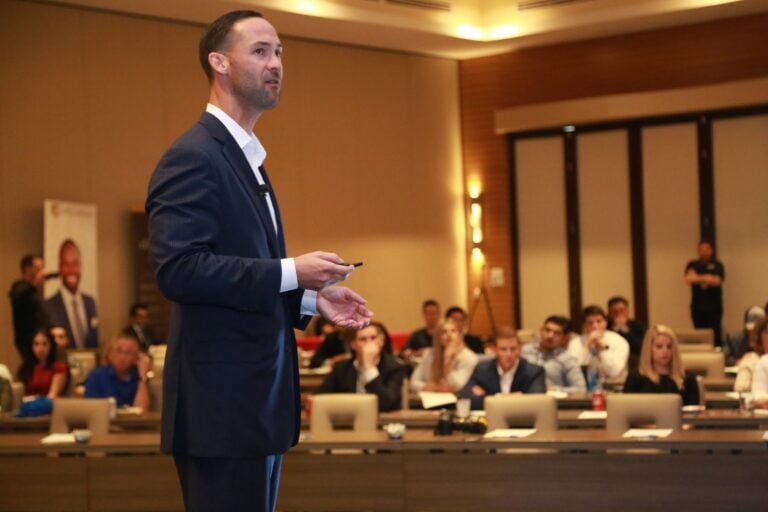
A large TED analysis and two preregistered experiments suggest that hand movement helps most when it visually represents the words, improving understanding and perceived competence.

What we call visionary genius is mostly a learnable set of habits, recycled ideas, and fortunate timing—not the mystical gift we imagine.

Lower performers may overestimate relative ability, but they are not generally the most confident, and the size and mechanism of the effect remain debated.

In a 164-student replication, self-discipline predicted final GPA far more strongly than IQ. The detail that matters is how grades differ from standardised tests, and why later evidence changed the ranking.

Two wealthy democracies have concluded that loneliness is now a public health crisis worthy of Cabinet-level attention, signaling a historic shift in how governments understand human connection.