

“I used to think the worst thing in life was to end up all alone. It’s not. The…
Loneliness in a crowded room cuts deeper than solitude ever could—and our culture of constant connection may be making it worse.

The human behaviour behind the work. Decision-making, attention, identity, performance, and the everyday observations that explain how people live and work inside the technology economy.
856 articles · Mind
Loneliness in a crowded room cuts deeper than solitude ever could—and our culture of constant connection may be making it worse.

Five studies found people underestimated how welcome a genuine compliment would feel, while givers themselves reported a better mood afterwards.

Frequent phone checking can reflect habit, expectation and digital cues. It does not reveal a person's childhood or diagnose a dysregulated nervous system.

The people who stopped initiating contact aren't being considerate—they're following a decades-old wound disguised as a virtue.
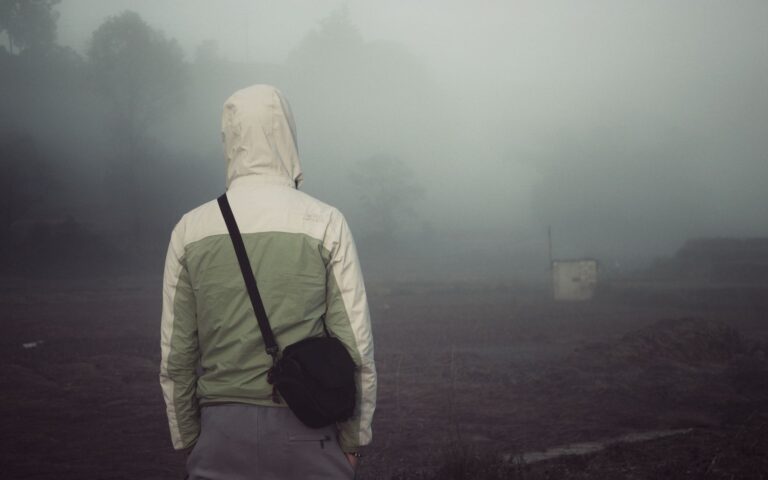
Acting on uncertain ground while afraid may be the only way clarity ever actually arrives.

A Birkbeck experiment found that confidence shifted towards a decision partner's stated certainty and remained altered in the immediately following solo task.
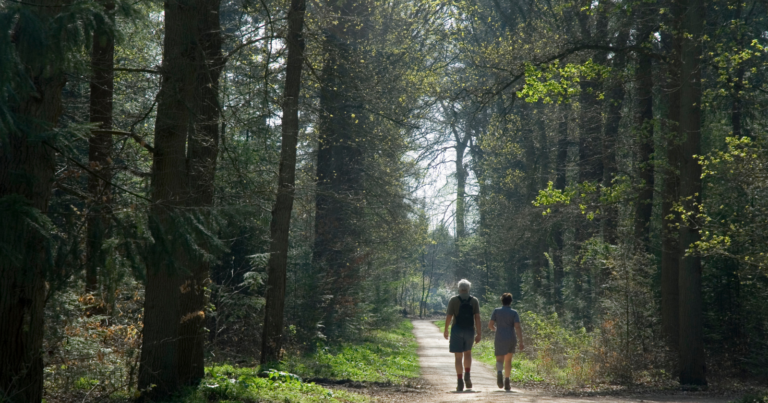
For the highly sensitive, nature isn't an escape from life—it's the only place the world doesn't demand they turn themselves down.

Suffering doesn't soften people into kindness by default; research suggests the gentlest among us made an active choice to break the cycle of pain they endured.
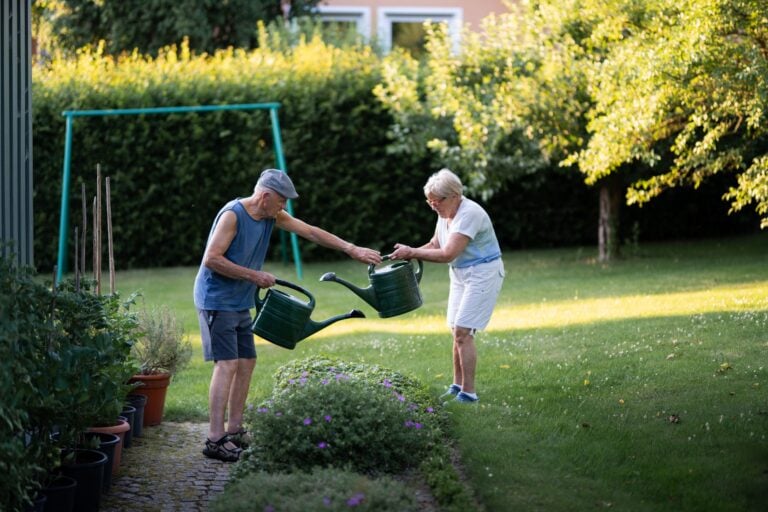
Longitudinal research finds an average decline in later-life purpose, but health, bereavement, social roles and even the questionnaire used all complicate the story.
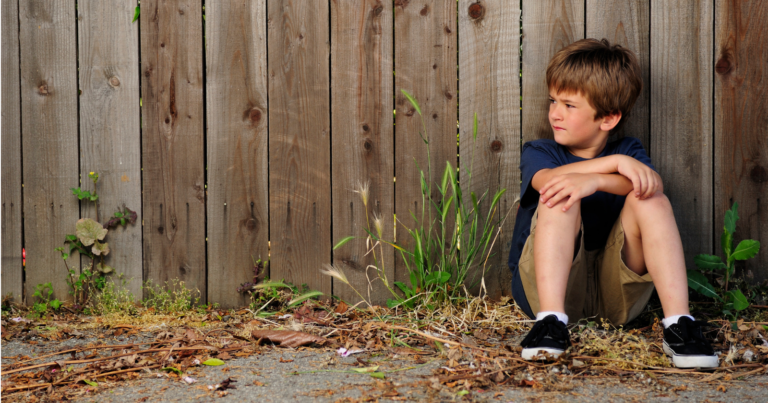
The vigilance that kept you safe as a child can become the lens through which you scrutinize every relationship as an adult, turning minor delays into evidence of abandonment.

The happiest older adults aren't those who finally checked everything off their list—they're the ones who stopped waiting for permission to be satisfied.
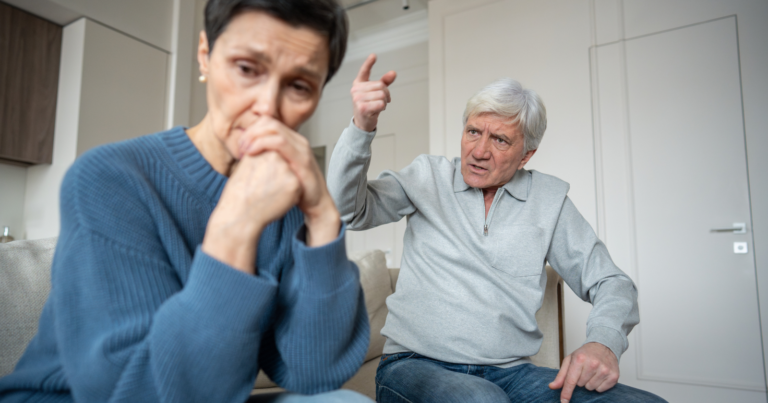
When autonomy slips away in small decisions, people don't become difficult—they become defended.