

A Carleton University study followed 119 students through two midterms and found…
A two-midterm study linked self-forgiveness after heavy procrastination with less delay next time, but its observational, self-reported design sets important limits.

The human behaviour behind the work. Decision-making, attention, identity, performance, and the everyday observations that explain how people live and work inside the technology economy.
856 articles · Mind
A two-midterm study linked self-forgiveness after heavy procrastination with less delay next time, but its observational, self-reported design sets important limits.

Our wisest counsel evaporates the moment we need it most—and neuroscience is finally explaining why.
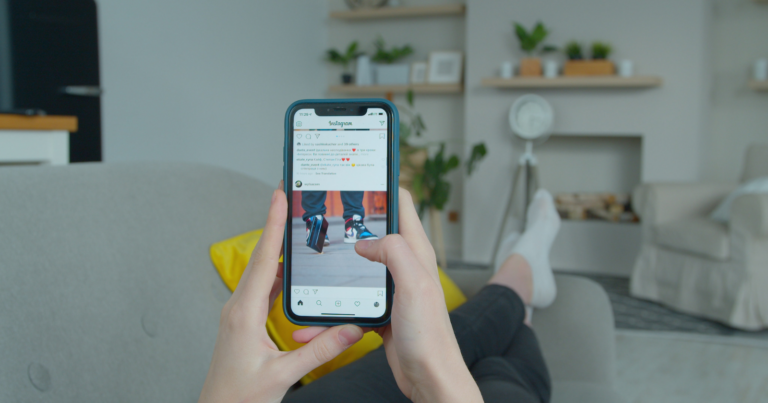
The discomfort of silence often runs deeper than distraction—it's a signal that something beneath the surface is demanding attention.

Lewinsohn's 1974 behavioural model made action part of the explanation for motivation and mood. Modern trials support behavioural activation, but not every productivity slogan built from it.

Self-condemnation might be the one thing keeping you stuck in the patterns you're most desperate to escape.

Visualising your dream future feels good but may leave you too drained to pursue it—and research suggests the practice could actually deepen depression rather than lift it.

A Science review of 34,839 adult top performers found early junior success and eventual senior excellence were associated with very different development paths.

Among 33,560 adults taking no more than 8,000 daily steps, longer dominant walking bouts predicted lower mortality and cardiovascular risk, with important caveats.

The eldest daughter’s competence can conceal a childhood role in which everyone else’s needs came first. Parentification research explains the pattern and its limits.

Being easy to be around and being genuinely known draw on almost opposite instincts. One smooths the surface, the other lets it crack, and confusing the two can leave the kindest people with the fewest close friends.

The most revealing sign of disinterest isn't rudeness—it's relentless politeness paired with total indifference to your life.
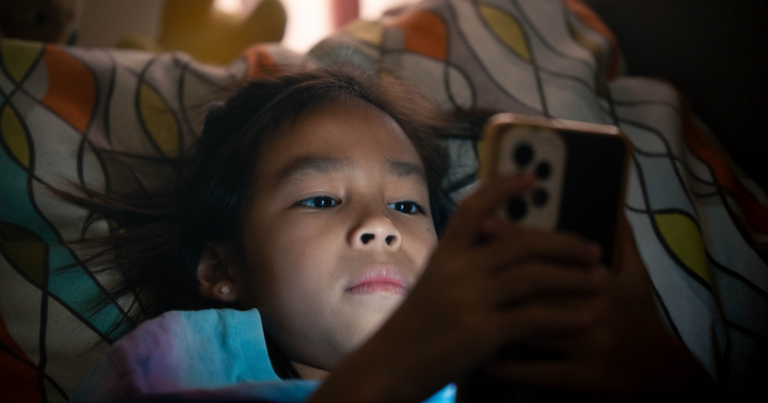
The rise in screen time masks a crucial distinction: some phone checking is mindless habit, while other patterns signal genuine psychological distress with real health consequences.