

Why some people feel their safest emotional bond is with an animal
For some people, the safest place to be vulnerable is with a creature that will never disappoint them, betray them, or keep score.

The human behaviour behind the work. Decision-making, attention, identity, performance, and the everyday observations that explain how people live and work inside the technology economy.
856 articles · Mind
For some people, the safest place to be vulnerable is with a creature that will never disappoint them, betray them, or keep score.
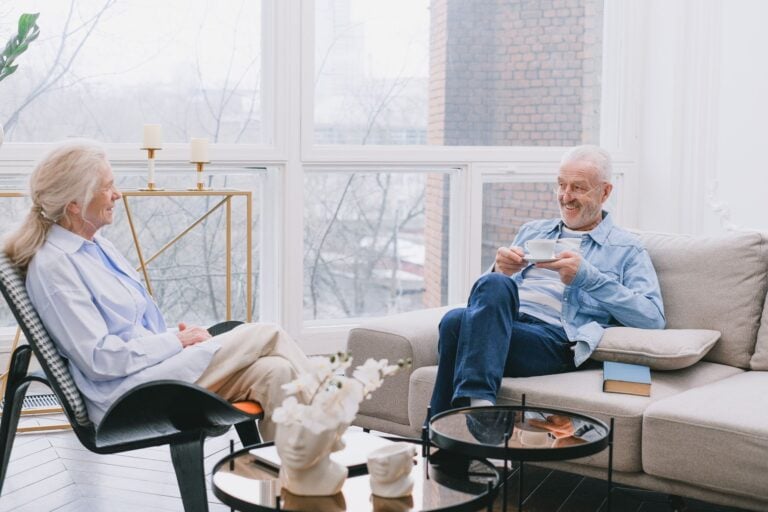
The happiness that feels vital at twenty—a rush of excitement—may feel like a burden by sixty, when contentment looks more like calm.

Men struggle more with singlehood and rush back into relationships faster than women do, new research suggests, upending a familiar narrative about who truly needs another person.

A flattering myth tells lonely people their isolation reflects virtue; the data suggests the opposite is largely true.

Your brain is wired to stick with what it knows—which is precisely why unlearning matters more than learning ever could.

What we call gossip is mostly just information sharing—and women do it more openly when there's no judgment attached.

The emotional benefits of ageing peak in early sixties, independent of physical decline—challenging the assumption that growing older means growing sadder.
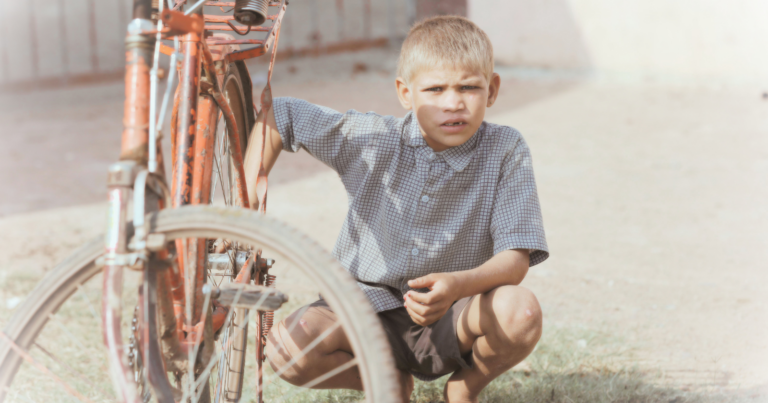
A generation learned early that no one was coming to fix things, so they learned to fix them themselves—a quality that's quietly vanished.

What families call stubbornness in aging parents may be the final assertion of autonomy against a slow erasure of choice.

A famous study suggested loneliness spreads like a virus through social networks, but new research shows the same pattern could arise from entirely different causes—raising questions about what the data actually proves.

The ambition that drives youth—to escape an average life—often becomes the very thing maturity learns to cherish.

Frequency of contact is the metric parents most often use to measure closeness with their adult children. It is also the metric that hides the actual dynamic: whether an honest answer produces a lecture, a worry spiral, or a week of guilt.