

Brain fog has many possible causes, and a major ginkgo trial did not prevent…
Billions spent yearly on supplements and apps claim to clear the fog, but the evidence suggests a more mundane reality: sleep better, see a doctor, and skip the ginkgo.

The human behaviour behind the work. Decision-making, attention, identity, performance, and the everyday observations that explain how people live and work inside the technology economy.
856 articles · Mind
Billions spent yearly on supplements and apps claim to clear the fog, but the evidence suggests a more mundane reality: sleep better, see a doctor, and skip the ginkgo.

Decades of research deflate two pillars of the self-help empire: grit and growth mindset deliver far less transformation than their billion-dollar marketing suggests.

The happiness industry has it backwards: your mood is far less malleable than self-help gurus claim, and the one reliable lever has nothing to do with your morning routine.
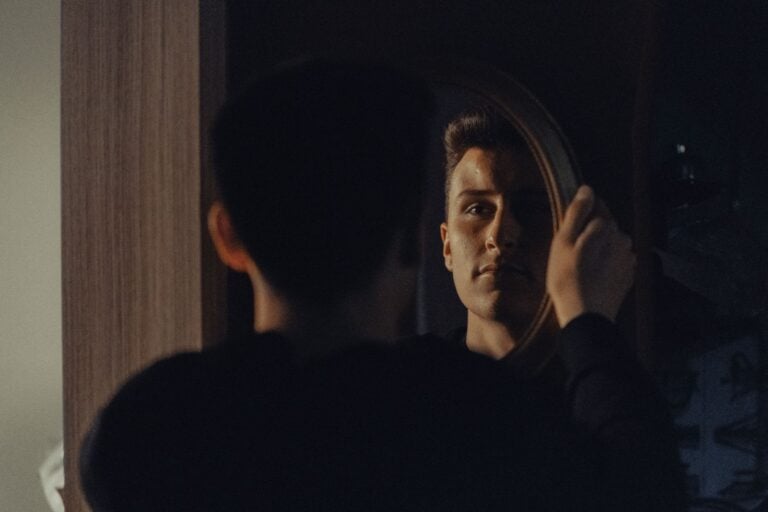
Your brain is hardwired to treat you as the main character in everyone else's story—a perceptual bias so universal it shapes how we judge ourselves and misread the world.

You will probably know someone like this.

When grief hollowed him out, running became his only answer—and a hundred-year-old man became the first of his age to cross a marathon finish line.

A randomized coin-toss study suggests we're trapped by sunk costs more than we realize—and that sometimes the best decision is the one we're too afraid to make.

The adult who slides out of the group photo or apologises for the size of their order isn't modest — they're running a survival strategy that outlived the room that required it.

Research suggests that sociability and a preference for solitude can coexist, but intelligence alone does not explain persistent loneliness or a need for deeper conversation.

A decades-long belief about midlife misery crumbles as new data reveals that distress actually declines steadily with age.

We systematically underestimate how much strangers enjoy talking to us—a gap that grows wider the more we let anxiety decide whether to start a conversation.

What kills desire isn't neediness or availability—it's what your choices reveal about who you actually are.