

People who seem naturally composed are usually doing one of two different things…
What looks like natural poise is often a learnable skill—but only one version of it actually works; the other just masks stress while your body stays on high alert.

The human behaviour behind the work. Decision-making, attention, identity, performance, and the everyday observations that explain how people live and work inside the technology economy.
856 articles · Mind
What looks like natural poise is often a learnable skill—but only one version of it actually works; the other just masks stress while your body stays on high alert.

A personality test trusted by millions rests on shakier scientific ground than most people realize.

A 44-country study finds that mental ill-being now declines with age, largely because younger adults have deteriorated. The data are striking, but more specific than the headline suggests.

In a world designed to constantly demand your attention, rewatching the same beloved film becomes an act of psychological resistance—a space where you know exactly what happens next.

The reversal from cared-for child to trusted reassurer happens quietly, without ceremony or warning. Both generations grieve a role neither realised they were about to lose.
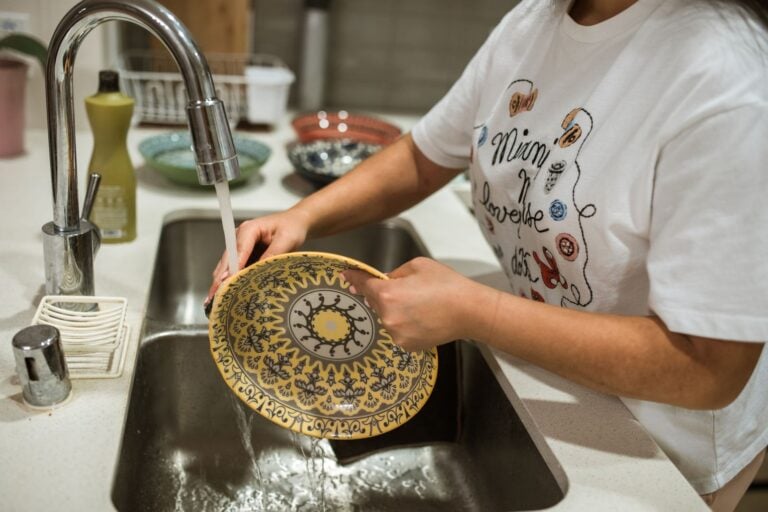
The absentminded hum while doing dishes isn't filler. It's one of the oldest nervous system regulation tools humans have, working through the vagus nerve to shift the body out of stress, and it predates language itself.

The wellness industry's favorite brain-boosting foods largely fail rigorous testing, revealing a gap between viral nutrition advice and what science actually shows.

Our snap judgments about class are built on dining codes we mistake for character—and they stick with us despite being almost entirely learned.
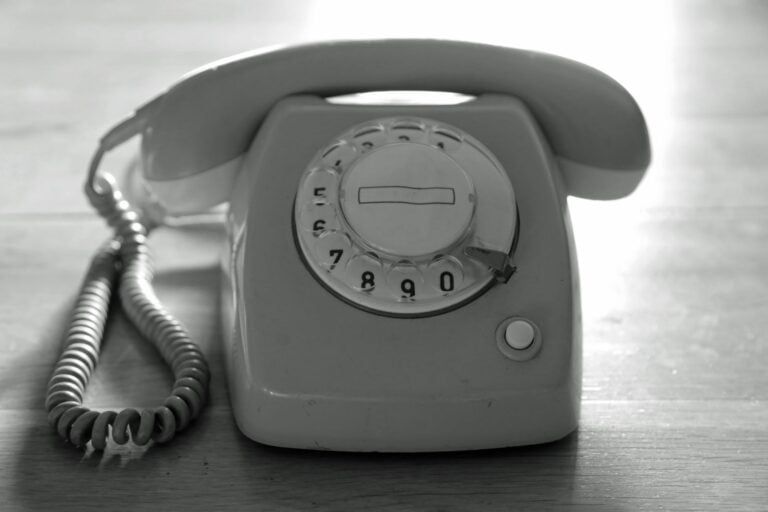
For people who grew up before mobile phones, unreachability wasn't a lifestyle choice — it was the default condition of being alive. The mental health cost of what replaced it is only now becoming legible.

The pop version of Dunning-Kruger — confident people are stupid, smart people are humble — bears almost no resemblance to what the 1999 paper actually found, and the misreading has become the internet's favourite rhetorical weapon.

The brain treats names like strangers at a party—it recognizes the face but never quite gets introduced to the label attached to it.

Our brains aren't failing us in old age—they're revealing which chapters of our lives we deemed worth preserving in crystalline detail.