

Psychology says the gap between getting what you wanted and still wanting more is…
There is a particular embarrassment that can arrive after success.

The human behaviour behind the work. Decision-making, attention, identity, performance, and the everyday observations that explain how people live and work inside the technology economy.
856 articles · Mind
There is a particular embarrassment that can arrive after success.

There are roles a person chooses, and roles that quietly choose them back.

I once knew a man who was, without exaggeration, the most likeable person in any room.

My father learned to read a room before he learned to read a book.

About 90 percent of American children born in 1940 grew up to earn more than their parents did at the same age.

For most of the twentieth century, finding a partner in America was a community project.

Roughly 300 million people live along the Sahel, the semi-arid belt on the Sahara's southern edge where rainfall is scarce, soils are thin, and a single failed harvest cascades into crisis because there is almost no safety net to catch it.
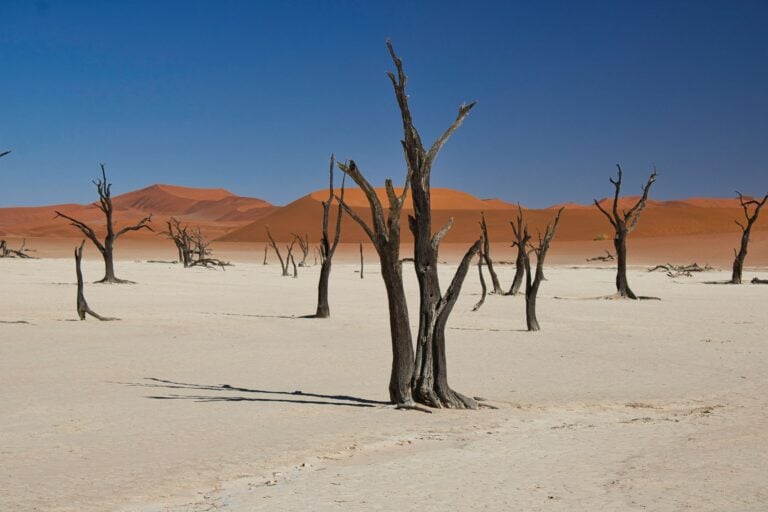
The African Union's Great Green Wall is meant to run 8,000 kilometres from Senegal's Atlantic coast to Djibouti's Red Sea shore — a belt of restored land long enough to cross the continental United States twice. Nearly two decades in, only a fraction has actually taken root, and the project has quietly redefined what a wall of trees can be.

There is a familiar misreading of quiet people in loud rooms.

The twenty-minute parking lot pause looks like poor time management. It is actually a self-engineered threshold ritual — a small, defended pocket of autonomy in a day otherwise structured by other people's demands.

Some friendships don't end in conflict — they simply thin until neither of you is quite sure when the last real conversation happened. Psychologists call this ambiguous loss, and it may be one of the most under-grieved experiences of adult life.

We are writers and editors, not clinicians, psychologists, or therapists.