

The truth about 10,000 steps a day: the number wasn’t science, it was the brand…
The daily step goal on hundreds of millions of wrists and phones did not come out of a laboratory.

The human behaviour behind the work. Decision-making, attention, identity, performance, and the everyday observations that explain how people live and work inside the technology economy.
856 articles · Mind
The daily step goal on hundreds of millions of wrists and phones did not come out of a laboratory.

I have caught myself, more than once, defending a version of me that had already moved on.

When someone reaches retirement age without close friends, the easy assumption is that they must have pushed people away.

I started using AI as an external memory.

For most of human history, the average person did not live to see their thirty-fifth birthday.

I did not get calmer by reading grand books about attention or by taking a week-long digital detox in the woods.

Every so often you get to a point where the same three or four questions have been circling for months and none of them are getting answered.
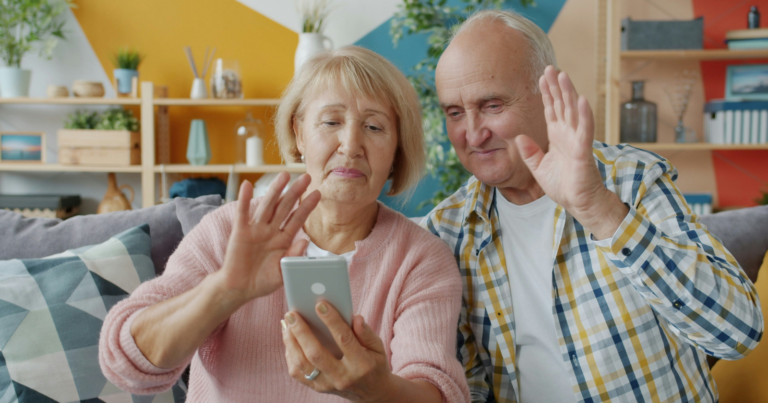
A quiet revolution has happened in family life over the last few years, and most of us slid into it without ever deciding to.

Surveys of retired men in the UK and US consistently find the same uncomfortable pattern: a significant share report a loss of purpose, identity, or self-worth within the first two years of leaving structured work.

What looks like older adults giving up — letting hair go grey, declining to host, going to bed early — is usually the opposite: the quiet end of decades of social performance that earlier life couldn't afford to drop.

Ask an adult when they felt safest in their whole life and a striking number of them will not name a wedding day or a graduation or a birthday.

My husband's grandparents have been married forty-three years, and the clearest picture I have of their marriage is the two of them at the kitchen counter on a Sunday morning.