
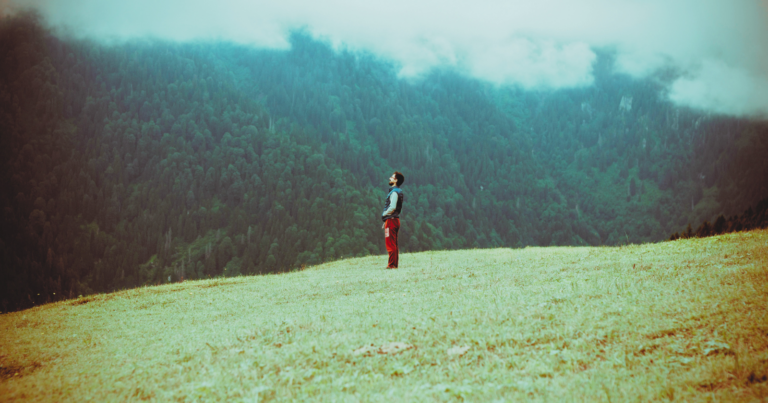
The lost art of being unreachable (and how to get a little of it back)
I am not a psychologist or a doctor, and this should not be taken as advice.

The human behaviour behind the work. Decision-making, attention, identity, performance, and the everyday observations that explain how people live and work inside the technology economy.
856 articles · Mind
I am not a psychologist or a doctor, and this should not be taken as advice.

Picture the colleague who quietly keeps the best leads for himself.

Here is what is quietly at stake in a long marriage.

Schizophrenia and insomnia, two conditions that live in very different corners of the diagnostic manual, appear to share a molecular bridge — three genes running through the same regulatory pathway.

The flinch at compliments is often mistaken for low self-esteem, but for many adults it's a learned association from childhoods where kind words reliably preceded a request. The body remembers the equation long after the household is gone.
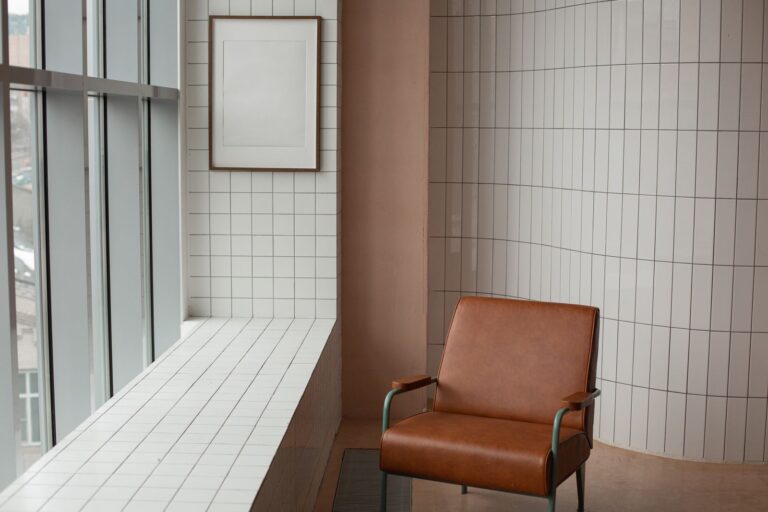
The chair that nobody else sits in is rarely about ownership. It's about engineering one location in the house where the nervous system is allowed to stand down — and why that single square metre often does more psychological work than any conversation about boundaries ever could.

Watch enough families over time and a pattern emerges.

The most considerate people in any room are often the worst offenders when it comes to apologizing.
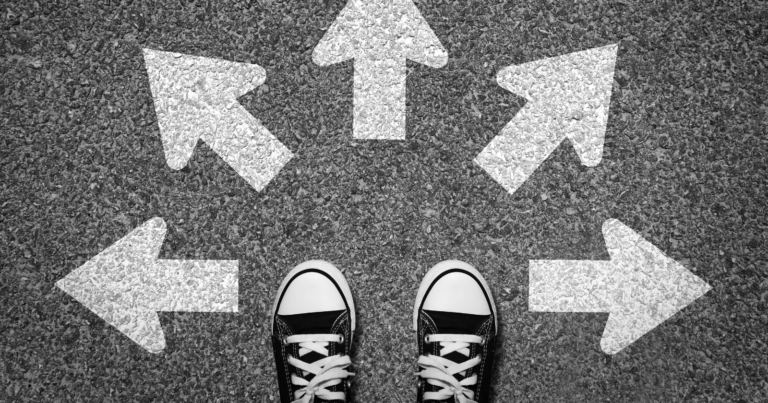
I have a decision sitting open that I should have closed days ago.

The slowing down we see in people in their late seventies is not always what it looks like.
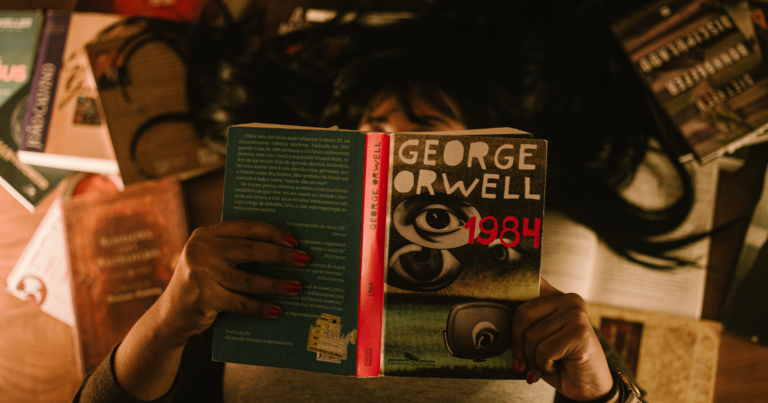
Adults who reread the same three or four novels across decades aren't running from new fiction. They're using a fixed text to measure a moving self — the underlined sentence becomes a time stamp on who they used to be.

It is easy to misread an adult with no close friends as someone who chose a life at a distance.