

Why some older adults stop performing cheerfulness for others
Some older adults prefer calmer emotions or smaller social circles, but withdrawal has many possible causes and retained enjoyment does not rule out depression.

The human behaviour behind the work. Decision-making, attention, identity, performance, and the everyday observations that explain how people live and work inside the technology economy.
856 articles · Mind
Some older adults prefer calmer emotions or smaller social circles, but withdrawal has many possible causes and retained enjoyment does not rule out depression.

The people who distance themselves from family often endured the longest—but their history of sacrifice vanishes the moment they finally step away.
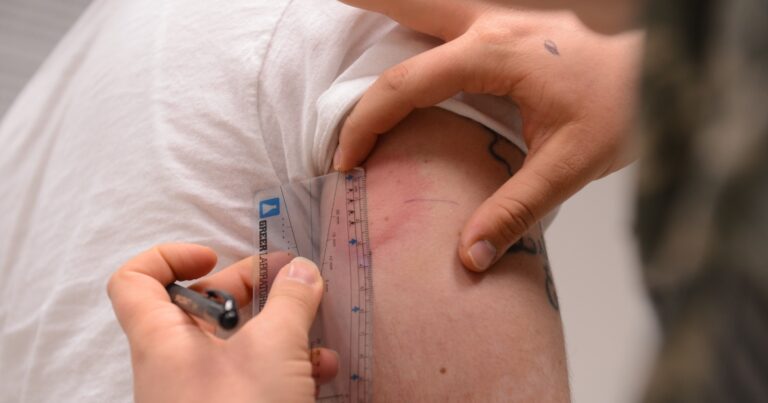
Three pre-registered experiments ran a standard histamine skin prick test on the forearm at least twice per person and varied the instruction about where to put their attention. Attending to the arm produced smaller reactions in roughly nine out of ten participants. The sample is 57 healthy adults, mostly women, average age mid-twenties, and the authors write that a reduced reaction may not universally reflect beneficial regulation.

Stanford researchers found that students underestimated peers' empathy. Corrective information and social nudges increased risk-taking and shifted reported close-friend networks four months later.

The short laugh people give at the end of a hard sentence is usually read as nerves. In many cases it is doing something else entirely: a small piece of social engineering, offered so the listener knows how to receive what has just been said.

A large randomised trial in Odisha found a modest average grade gain from collecting phones, with a substantially larger estimated benefit for lower-performing students.

Children waited four times longer after an adult kept two promises, showing that the marshmallow task blends self-regulation with a rational estimate of reliability.

The person standing by the wall at a party is often misread as restless or shy. In our reading, they are usually preserving a small exit — and that preserved option is what allowed them to arrive at all.

In a world of shallow connections, strangers on planes become unlikely therapists—and maybe that's exactly what we need.

The constant hum of podcasts and playlists may feel like preference, but it might reveal something we're avoiding: the discomfort of our own company.

Two three-wave samples found that earlier well-being predicted later self-control, while self-control did not reliably forecast later well-being after stable personal differences were separated.
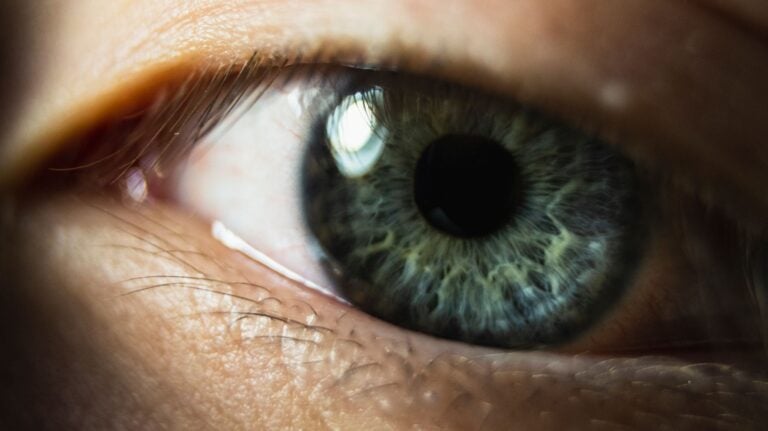
We're drawn to read honesty in a person's gaze, but neuroscience shows that confidence in what the eyes reveal is precisely where our intuition most reliably deceives us.