

Why some warm, sociable people still keep emotional distance
A person who is warm to everyone but truly close to no one isn't withholding intimacy—they're protecting themselves from the one thing that taught them vulnerability equals danger.

Relationships, identity and social behaviour, including how institutions and technologies reshape the way people live together.
625 articles · Relationships & Society
A person who is warm to everyone but truly close to no one isn't withholding intimacy—they're protecting themselves from the one thing that taught them vulnerability equals danger.
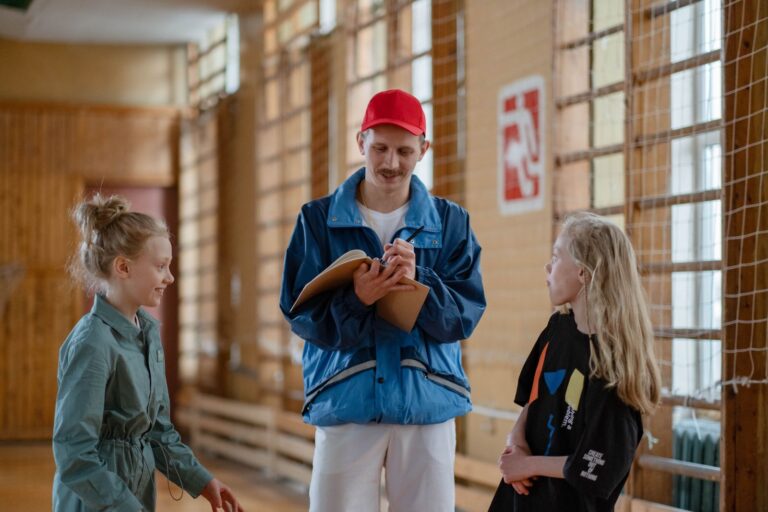
Malcolm Gladwell turned Anders Ericsson's research into a story about hours. Ericsson spent the rest of his career explaining that the hours were never the point — the feedback inside them was.

Growth mindset can affect how some students respond to challenge, but its measured associations and intervention effects are generally modest and context-dependent.

A simple practice—noticing what amazes you on a walk—made people literally shrink in their own photographs, revealing something profound about how awe reshapes our sense of self.

The gap between your instant "haha ok" and your week-long silence on harder questions isn't rudeness—it's the architecture of how you've learned to survive.

The unused notebooks and unopened pens in a household drawer are rarely about disorganisation. They are the archaeological residue of an ideal self who once believed the right tools would finally make the writing happen, and the psychology of why they stay is quieter and more tender than clutter.
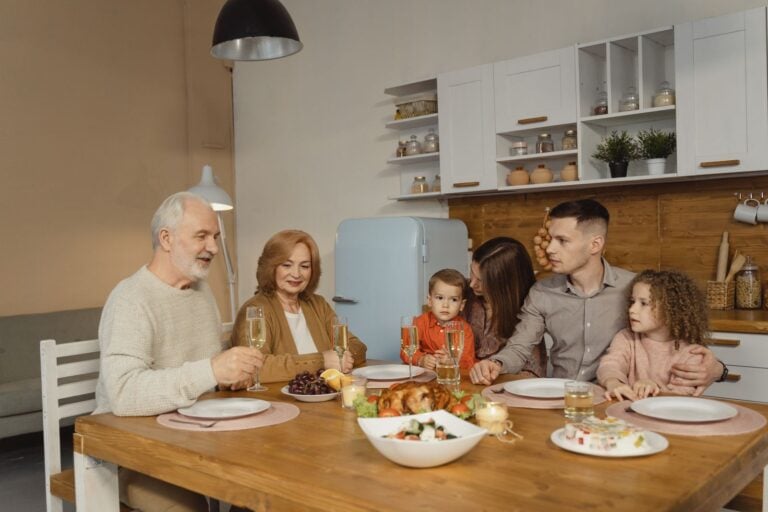
For many adults, buying too much food when family visits isn't anxious hosting — it's inherited grammar from a household where a full table said what nobody could say out loud.
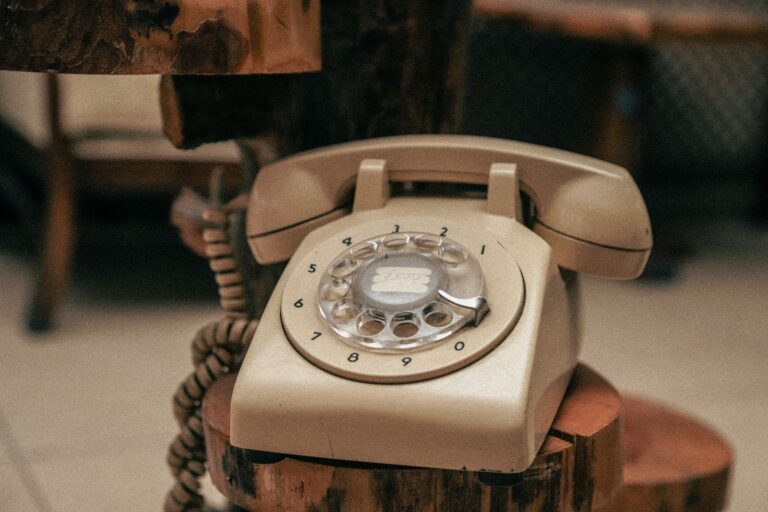
The generation raised on rotary phones and knocked-on doors isn't longing for inconvenience. They're describing something the friction produced: a signal that contact was chosen, not idle — a quality digital life has quietly stripped away.

The ones who thrive past seventy aren't immune to sadness—they've simply redesigned their weeks around what actually sustains them.

When someone repeatedly steers talk toward themselves, their achievements, or their grievances, they're signaling something more than just poor manners.
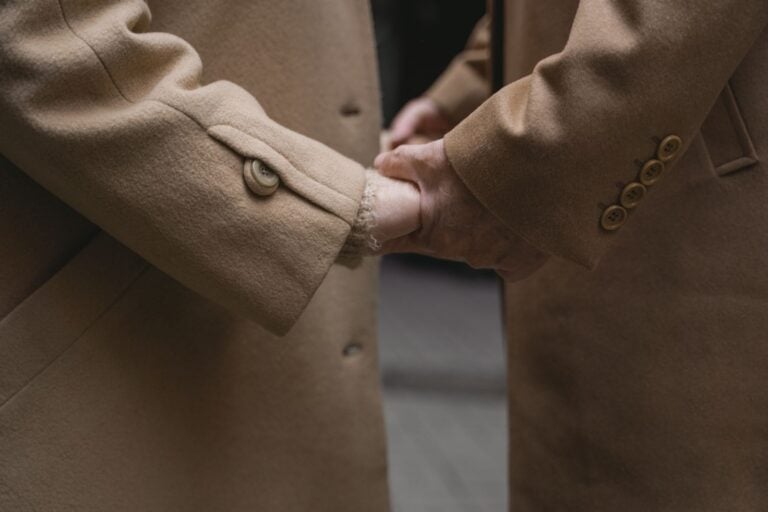
The person still wearing the same coat from two decades ago is not being cheap or nostalgic. They have quietly understood that reliability, in objects as in people, is what earns a place in a life.

Being the dependable one in a family looks like a compliment from the outside. From the inside, it's often a role that hardened into an identity — and the hardest part isn't the workload, it's what happens to the person underneath it.