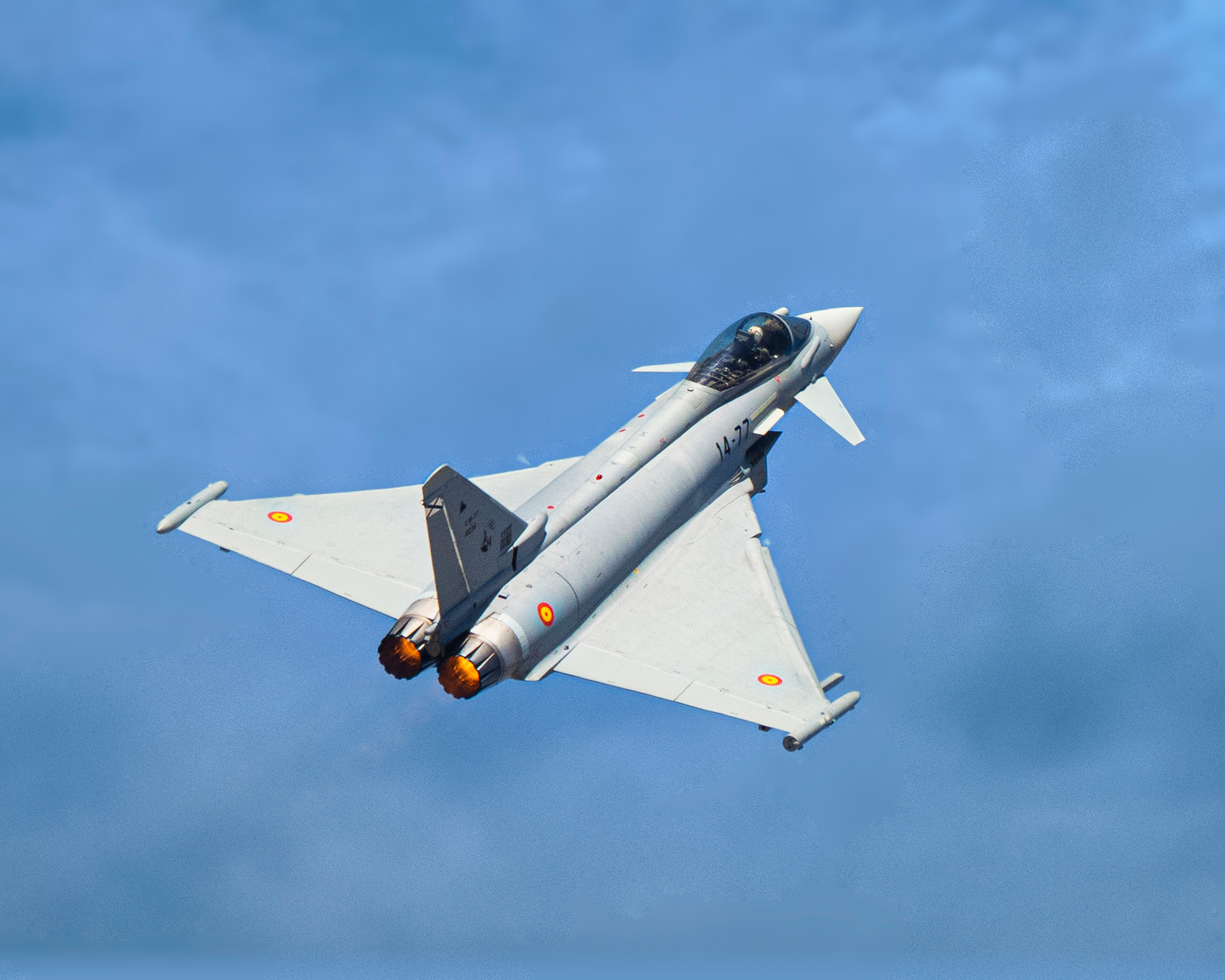
Munich-based defence AI company Helsing has closed a $1.8 billion Series E at an $18 billion valuation, according to Tech.eu. The round was oversubscribed, with the company stating that investor demand significantly exceeded the available allocation.
The round
New and existing backers participated, including Dragoneer Investment Group, Lightspeed Venture Partners, Disruptive, Iconiq, Growth Equity at Goldman Sachs Alternatives, JPMorganChase, Canada Pension Plan Investment Board, General Catalyst, Plural, and Stepstone. Existing investors Prima Materia, Accel, and Greenoaks remain on the cap table. Helsing said the company remains predominantly European-owned, and its board is unchanged: co-chaired by Spotify founder Daniel Ek and former Airbus CEO Tom Enders, with Jeannette zu Fürstenberg and former NATO commander Denis Mercier as members.
What Helsing builds
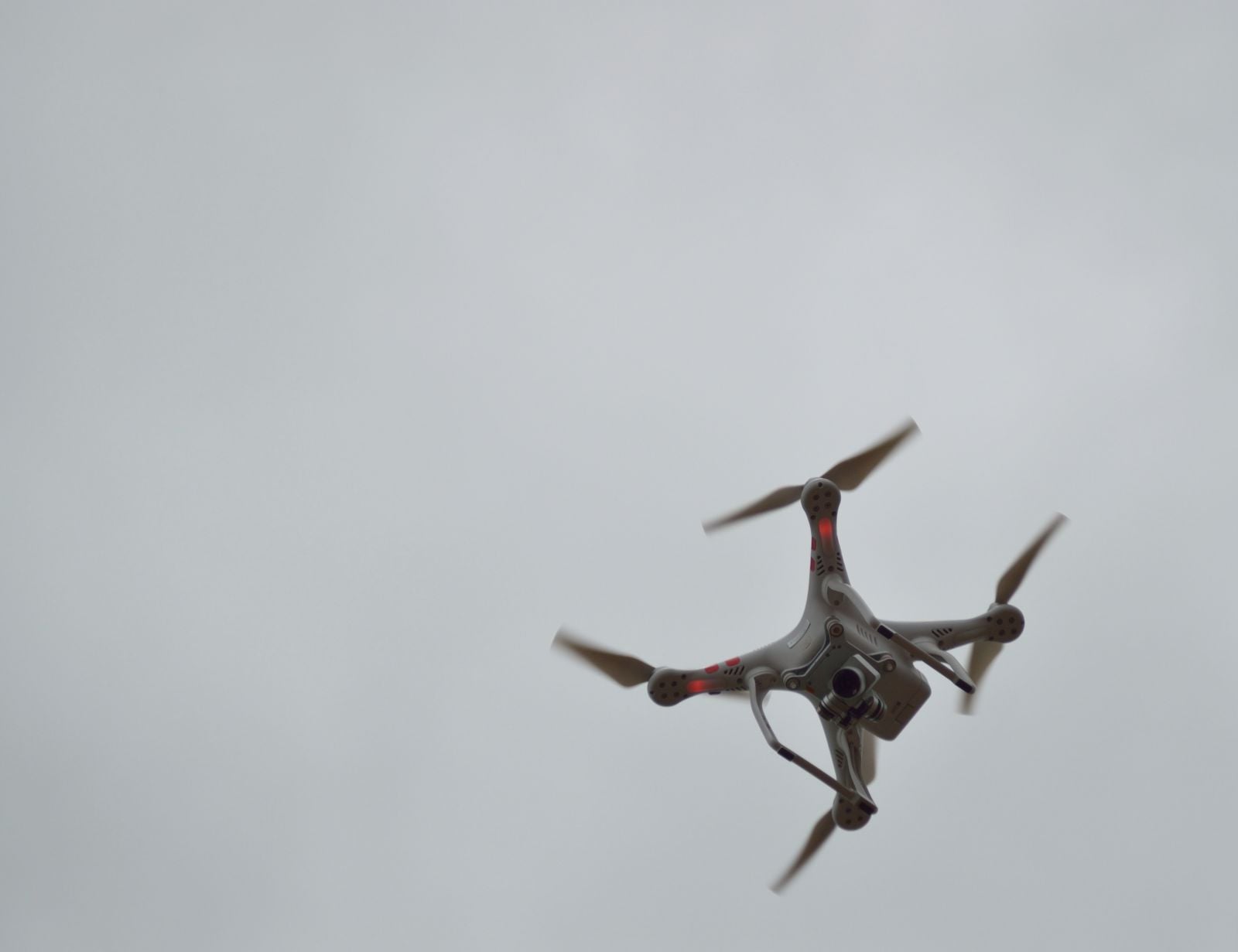
Helsing develops software that fuses data from drones, radar, satellites, and cameras into a single real-time operational picture for armed forces. The company has expanded beyond software into autonomous platforms, including AI-powered strike drones designed to operate in GPS-denied and electronically contested environments, and underwater surveillance systems intended to protect subsea infrastructure and monitor maritime activity.
The company frames its AI as decision-support rather than autonomous command — processing battlefield data and integrating with existing military hardware from multiple manufacturers, while humans retain responsibility for key decisions.
Capital flowing into European defence tech
The valuation places Helsing among the most highly valued private defence companies globally, and it is the second nine-figure European defence-tech round in recent months. Silicon Canals has previously covered Quantum Systems’ $1.2 billion raise at an $8 billion valuation, co-led by Airbus — the incumbent prime the startup’s founder publicly argues his company could disrupt.
The investor list is worth reading structurally. A Canadian pension fund, a Wall Street bank, a Silicon Valley growth fund, and a Goldman Sachs alternatives arm are now underwriting European autonomous strike weapons. Institutional capital that was, until recently, restricted from defence exposure by ESG mandates is moving into the category at scale.
The politics around the cap table
Helsing’s rise has not been uncontested. In September 2025, The Guardian reported that Massive Attack pulled their catalogue from Spotify in protest of co-chairman Daniel Ek’s personal investment vehicle Prima Materia backing Helsing — one of several artist actions targeting the intersection of consumer tech wealth and military AI.
Why this matters
The $18 billion figure is the more revealing number than the $1.8 billion. Private markets are pricing Helsing as if European rearmament — driven by the war in Ukraine, uncertainty over US security guarantees, and rising NATO spending commitments — represents a durable, multi-decade procurement cycle rather than a temporary spike. That thesis requires European governments to keep buying software-defined weapons systems at scale, and to buy them from startups rather than legacy primes. The capital is now positioned for both outcomes.