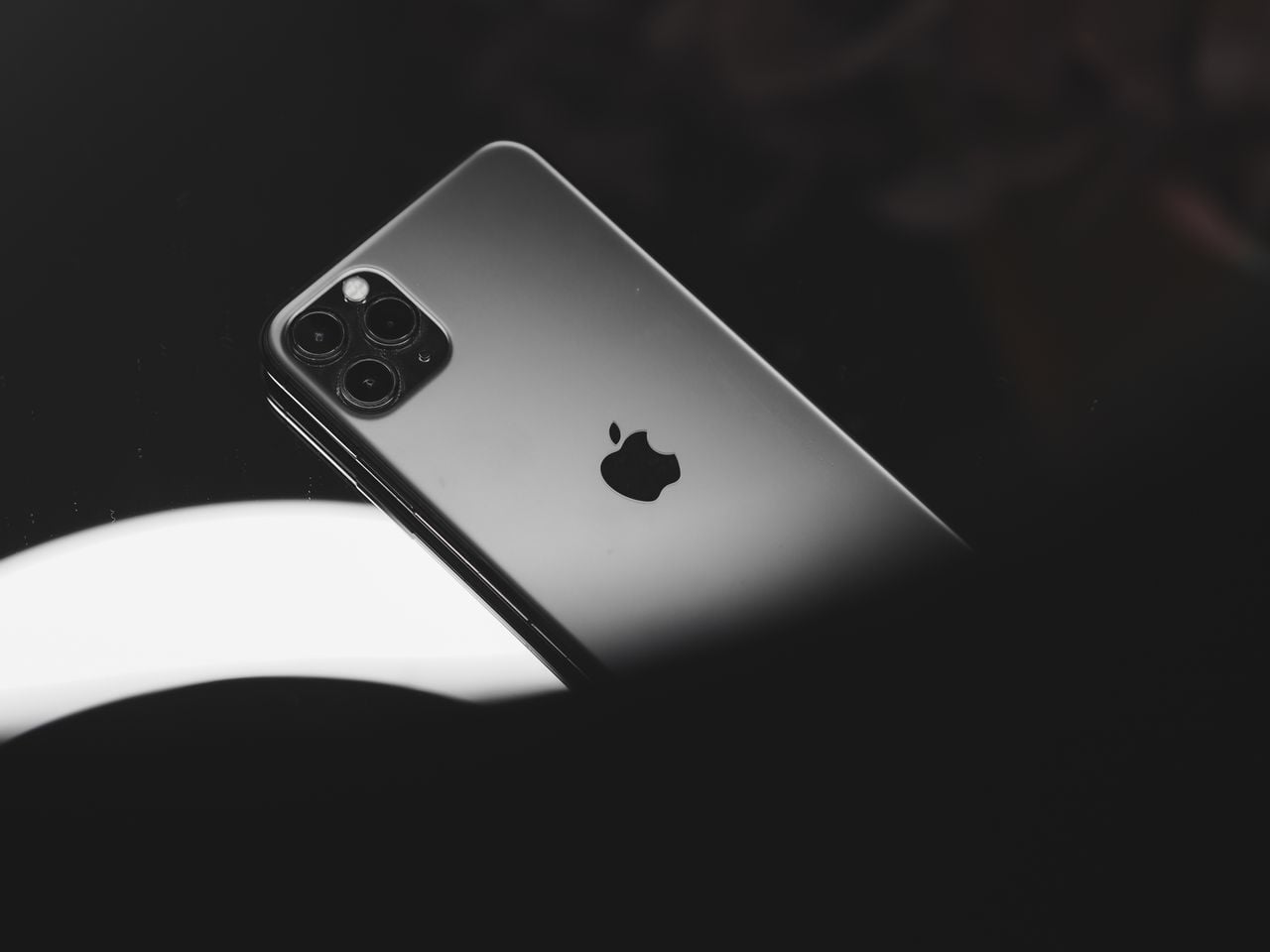
Apple filed a trade secrets lawsuit against OpenAI on 10 July 2026, and the case could complicate the artificial intelligence company’s path to a public listing. The 41-page complaint, filed in the US District Court for the Northern District of California, alleges a pattern of misconduct that reaches OpenAI’s Chief Hardware Officer, Tang Tan.
The core allegations
The complaint frames the movement of personnel as more than ordinary Silicon Valley talent circulation. It portrays a coordinated pattern of misconduct extending to senior hardware leadership at OpenAI, raising the prospect that proprietary Apple information travelled with the departing engineers. In its filing, Apple wrote that “at every level, from members of its Technical Staff to its Chief Hardware Officer, and in coordination with business partners, OpenAI has been stealing Apple’s trade secrets and confidential information.” OpenAI’s public response — that it is “not aware of any evidence that this complaint has merit” — is a hedged posture rather than a categorical denial.
Apple’s filing states that over 400 former Apple employees now work at OpenAI. The personnel movement signals that OpenAI’s hardware buildout — including the screen-free, mobile smart speaker the company is developing with Jony Ive — has been staffed in significant part by talent trained inside Apple’s device organisation.
Why the IPO timing matters
OpenAI confidentially filed an S-1 registration statement with the US Securities and Exchange Commission in May 2026, with reporting pointing to a public debut targeted as soon as the fourth quarter of the year. Trade secrets litigation of this scale introduces disclosure obligations, contingent liabilities, and reputational overhang that IPO underwriters price into risk sections and, ultimately, into valuation.
The litigation lands precisely as OpenAI attempts to convert private-market momentum into public-market capital. Discovery in a trade secrets case can drag on for years, and any injunctive relief affecting hardware development would strike at one of the growth narratives OpenAI needs to justify a listing at recent secondary-market valuations.
The hardware pivot underneath the lawsuit
The dispute is inseparable from OpenAI’s broader shift from a pure software company to a consumer hardware ambition. The Jony Ive collaboration — anchored in OpenAI’s roughly $6.5bn acquisition of Ive’s design startup io Products — and the reported screen-free speaker device point to an infrastructure play that requires deep device engineering competence. That is the exact competence Apple accuses OpenAI of acquiring improperly.
The institutional dynamic here is familiar: incumbents whose moats rest on integrated hardware-software design have limited legal instruments to slow entrants, and trade secrets litigation is one of the few that reaches into the talent pipeline itself.
The trust question
A secondary theme is how much users, regulators, and now competitors should trust AI companies with proprietary information. The lawsuit converts an abstract governance question into a concrete legal one: if the allegations survive early motions, they will shape how enterprise customers negotiate data-handling terms with frontier AI vendors.
Silicon Canals has previously covered Sam Altman’s own remarks on the competitive pressures that have shaped OpenAI’s trajectory. The Apple complaint places those pressures inside a courtroom.
What to watch
Three variables will determine whether this becomes a footnote or a listing-delaying event: the specificity of the trade secrets Apple identifies in its complaint, whether the court grants any early injunctive relief touching OpenAI’s hardware roadmap, and how the S-1 risk disclosures characterise the exposure. Each will be visible in public filings well before a verdict.