Megan Hess ran a funeral home in Montrose, Colorado, where families brought their dead expecting cremation. Between 2010 and 2018, authorities said, she and her mother, Shirley Koch, transferred bodies or body parts to third parties for research without the families’ knowledge.
Then, in case after case, the families were given ashes that were not those of their loved ones.
The business was Sunset Mesa Funeral Home. Out of the same operation, Hess also ran Sunset Mesa Funeral Foundation, doing business as Donor Services, a body-broker service that supplied human remains to buyers. What made the case so disturbing was not only the sale of bodies. It was the way ordinary funeral rituals were turned into fraud.
According to the Associated Press, Hess was sentenced to 20 years in federal prison after pleading guilty to mail fraud. Koch, who also pleaded guilty to mail fraud, was sentenced to 15 years.
For the families, the sentence answered only part of the case. It did not give them back the person they believed they had cremated. It did not tell every family exactly what had happened to the body they entrusted to Sunset Mesa. And it did not erase the years many had spent holding, burying, scattering, or displaying ashes that may never have belonged to their loved one at all.
The funeral home that was also a body broker
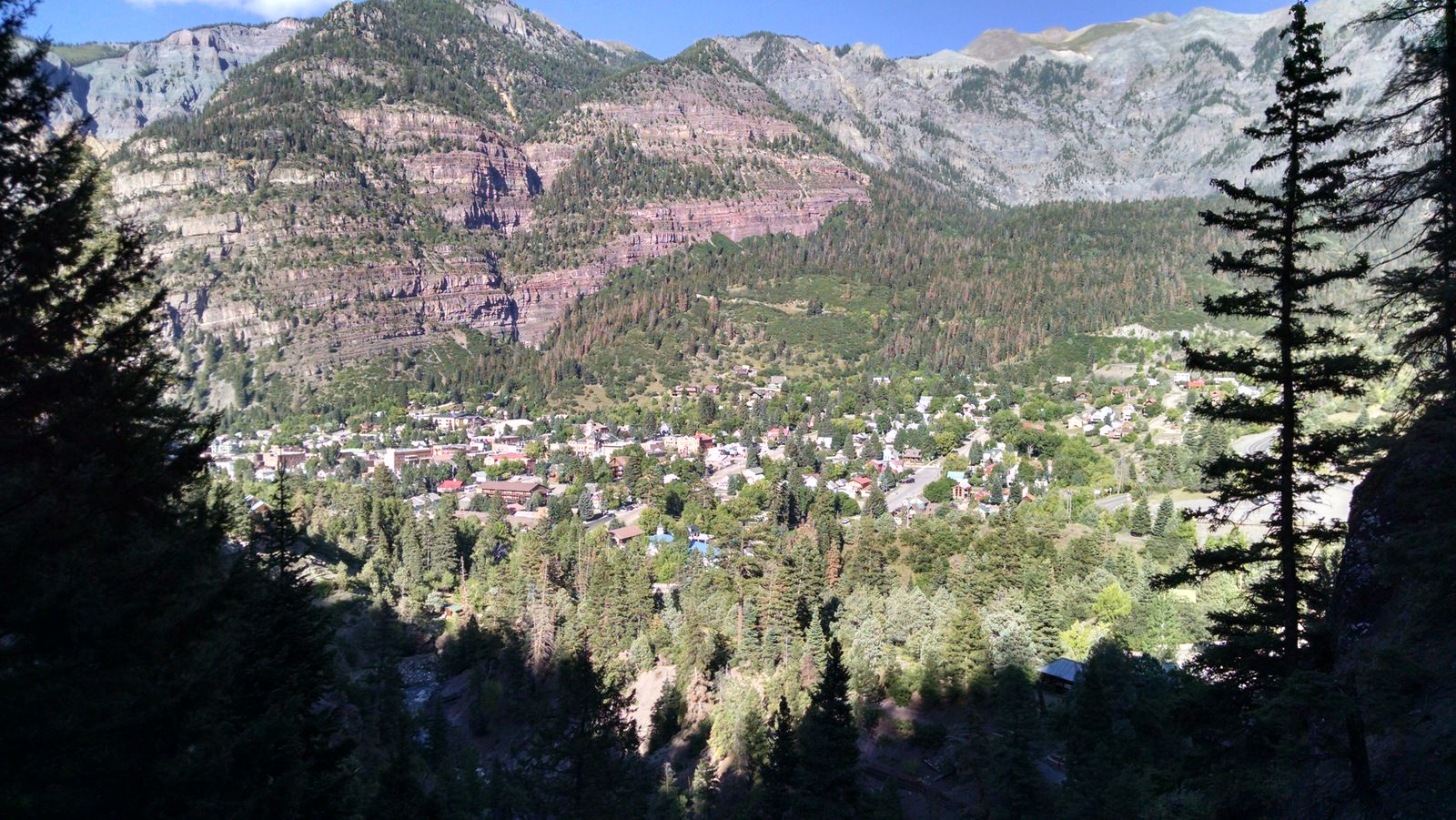
Sunset Mesa Funeral Home opened in Montrose, a town on Colorado’s western slope, as the kind of local business families turn to at the most vulnerable point in their lives. A person dies. Relatives make phone calls. They sign forms. They pay for a cremation. They trust that the professional on the other side of the desk will do what was promised. That trust is the entire product a funeral home sells, and it is also the easiest thing in the industry to counterfeit.
Hess’s operation had another side. Prosecutors said she created Sunset Mesa Funeral Foundation in 2009 as a body-broker service doing business as Donor Services. The AP reported that the business transferred bodies and body parts to third parties for research without families’ knowledge, and that some families received ashes that were not those of their loved ones.
Body donation for transplant is tightly controlled in the United States. Non-transplant body donation, the world of cadavers used for research, surgical training, medical-device testing, and other purposes, has historically been far less regulated. That gap matters because a body donated “to science” can move through a very different system from a heart, kidney, or cornea donated for transplant. One system is watched; the other operates largely on the assumption that nobody would dare misuse it.
That legal gray area did not make the Sunset Mesa case legal. Authorities said Hess and Koch were not simply operating in a lightly regulated industry. They were taking money from families for cremations that often did not happen, while moving bodies or body parts into the body-broker trade without proper consent.
What families thought they were receiving
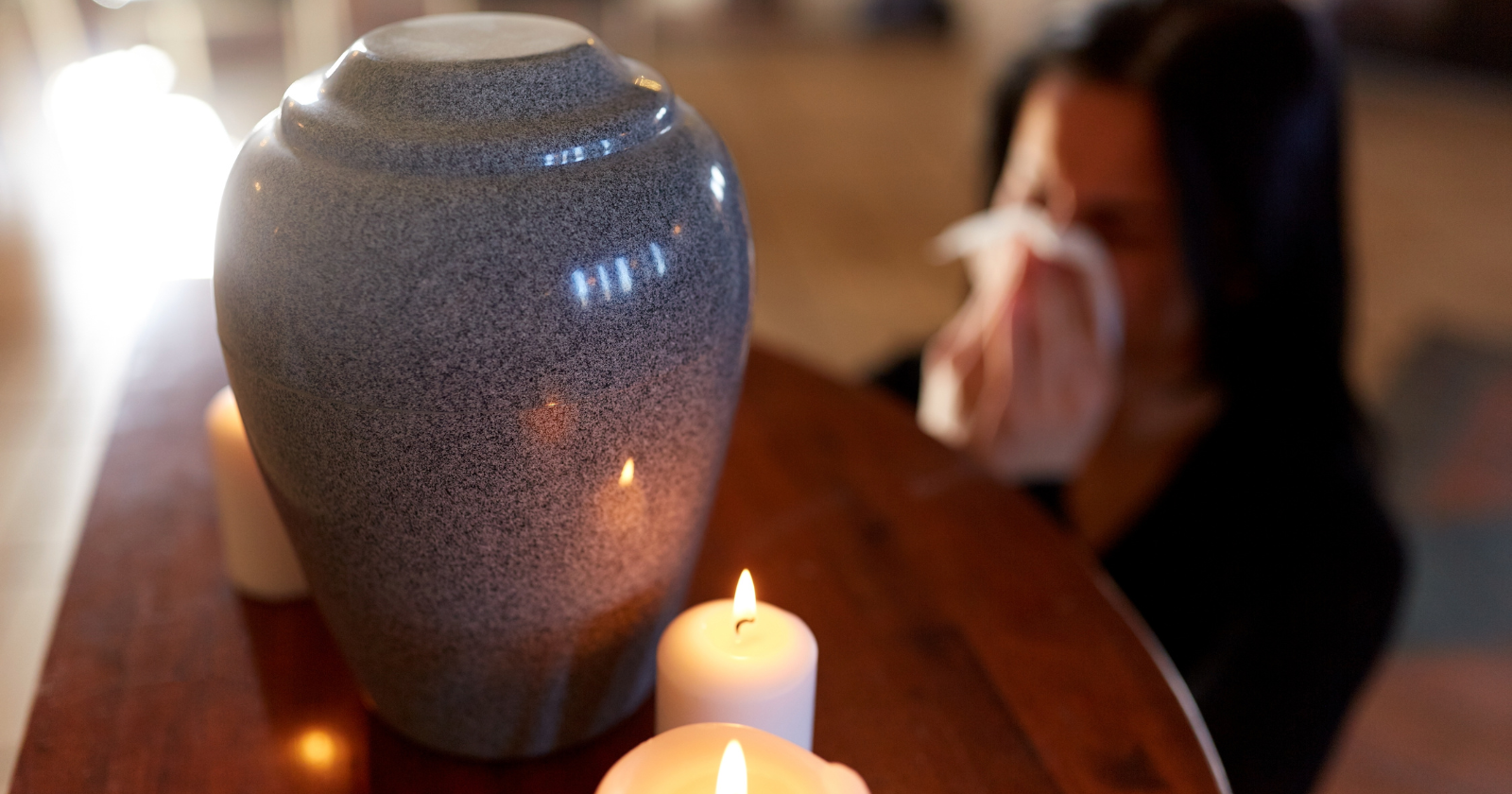
The most devastating part of the case was the urns.
Families came to Sunset Mesa believing they were paying for cremation. Some paid $1,000 or more, according to the grand jury indictment summarized by AP. They expected to receive the cremated remains of a parent, spouse, child, sibling, or friend.
Instead, authorities said, many of the cremations never occurred. Families were given ashes that were not the remains of the person they had entrusted to the funeral home.
That distinction is almost impossible to make emotionally. An urn is not only a container. It is the object people carry home when there is nothing else to carry. It is placed on mantels, buried in cemeteries, scattered at rivers, divided between siblings, or kept beside a bed. In the Sunset Mesa case, the object at the center of that goodbye was often part of the lie. Grief had been handed a prop and told it was a person.
At sentencing, victims testified about the pain caused by the scheme. U.S. District Judge Christine Arguello sentenced Hess to the statutory maximum of 20 years, while Koch received 15 years. The courtroom heard not just about financial fraud, but about families who no longer knew what had happened to the bodies of the people they loved.
Watch the full story on the Silicon Canals YouTube channel.
The price of a body
Part of what made the case so grotesque was its ordinary bookkeeping. Human beings were broken down into parts, shipped, and billed. There were invoices. There were shipping manifests. The paperwork was the kind any small business generates, which is precisely what allowed the work to look unremarkable from the outside.
Prosecutors traced transfers from Sunset Mesa to third parties that used human remains for research. The AP reported that Hess and Koch were charged in 2020 with six counts of mail fraud and three counts of illegal transportation of hazardous materials before later pleading guilty to mail fraud.
Authorities also said Hess and Koch shipped bodies or body parts that tested positive for, or belonged to people who had died from, infectious diseases including HIV and hepatitis B and C, while certifying to buyers that the remains were disease-free.
That allegation shows how far the scheme reached beyond the families. Buyers were being told one story. Families were being told another. Between the two sat a funeral home that could collect money on both sides: from grieving relatives paying for cremation, and from organizations paying to receive human remains. The same body generated two transactions, and neither party knew the other existed.
Hess’s attorney told the court she had been motivated by a desire to advance medical research. Assistant U.S. Attorney Tim Neff rejected that argument in court, pointing to the repeated nature of the conduct over eight years.
The plea, and what it admitted
Megan Hess pleaded guilty to one count of mail fraud. Shirley Koch pleaded guilty to the same charge. Other charges were dropped under the plea agreement.
The plea did not require a trial in which families would have had to recount, one by one, what they had been told, what they had paid for, and what they later learned. But the sentencing hearing still made clear that the harm went beyond invoices and shipping records.
Hess received the maximum sentence. Koch received 15 years. The judge sentenced them after victims testified about the pain they had suffered under the scheme.
That pain was not abstract. The families had trusted a funeral home with the body of someone they loved. They had paid for a final act of care. Then they learned the act they had been sold may never have happened.
Why Colorado’s system made it easier
The Sunset Mesa case exposed a larger weakness in Colorado’s funeral-home oversight. It was not the only scandal to do so.
In 2024, after multiple cases involving fake ashes, mishandled bodies, and the unauthorized sale of body parts, Colorado moved to overhaul its funeral-home regulations. AP reported that Gov. Jared Polis signed two bills aimed at tightening oversight of the industry after a series of gruesome discoveries, including nearly 190 decomposing bodies found in one facility, families being sent fake ashes, and the unauthorized sale of body parts.
The new Colorado laws brought the state closer to the rest of the country by requiring regular inspections and licensing for funeral directors. They also required background checks, national exams, education, and work experience for people in key funeral-industry roles.
Before those reforms, Colorado had some of the weakest funeral-home rules in the United States. The problem was not only that bad actors could enter the industry. It was that families had little way to know whether the person taking custody of a body was being watched closely enough by anyone else. The state had effectively decided that funeral directors would police themselves, which is another way of saying nobody was policing them at all.
That is why the Sunset Mesa case still matters. It was a crime committed by specific people, but it also revealed what can happen when trust is treated as a substitute for oversight.
The cruelty of fake ashes
There is a reason the fake ashes are the part people remember.
A body can move through a system the public rarely sees. Paperwork can be filed. Boxes can be shipped. Invoices can be paid. But an urn sits in the visible world. It enters the home. It becomes part of the furniture of grief.
People speak to urns. They carry them across state lines. They scatter them at the places the dead person loved. They divide them into keepsakes. They bring them to family gatherings, memorial services, and quiet private rituals that nobody else sees.
To learn years later that the ashes may not belong to that person is to have the goodbye reopened. Not corrected. Reopened.
That is the particular cruelty of the Sunset Mesa case. It did not only take bodies. It tampered with the story families had been using to survive the loss.
How a scheme becomes routine
The question hanging over the case is how anyone could do this day after day.
Hess was not operating from a hidden bunker. She ran a public-facing funeral home in a Colorado town. Families came through the door. They sat across from her. They asked questions about the person they had lost. They paid for cremations they believed would happen.
For a fraud like this to continue, the dead had to become inventory. Families had to become accounts. Consent had to become an obstacle. A body had to become a shipment. Each conversion required someone to look at a grieving relative and see a transaction underneath.
That transformation is what makes the case so chilling. The scheme did not require the public to stop trusting funeral homes. It required the public to keep trusting them.
What changed, and what did not
Colorado has since tightened its funeral-home laws. The state now has stronger inspection and licensing requirements than it had when Sunset Mesa was operating.
But the broader non-transplant body trade in the United States remains difficult for ordinary families to understand. A person may hear “donated to science” and picture a medical school anatomy lab. In reality, non-transplant human remains can pass through private brokers, training companies, research firms, and other buyers in ways families may never fully see.
That does not mean all donation is abusive. Cadavers are essential to medical training and research. But the Sunset Mesa case showed what happens when consent, custody, money, and oversight fail at the same time.
The uncomfortable truth is that the funeral industry has spent decades operating on the assumption that grief itself is a sufficient deterrent — that no one would steal from the dead because no one would dare. Sunset Mesa proved the opposite. Where a body is worth more in pieces than the cremation a family paid for, and where no inspector is going to walk through the door, the math of the situation eventually finds someone willing to do it.
Hess is serving 20 years. Koch is serving 15. The reforms in Colorado will catch some future offenders and miss others, because licensing regimes are reactive by design and the body trade is national, not local. What the case really exposed is older and harder to legislate: an industry built on the most private moment in a person’s life, sold under the assumption that the customer will be too devastated to check the receipt.
Sunset Mesa did not invent that assumption. It just billed for it twice.