

MIT tested injectable liver-cell grafts in mice, offering a possible future…
MIT researchers kept injected liver cells viable in mice for at least two months. Human treatment remains a research goal, with no established clinical timetable.

Selected reporting and analysis that develops an argument, examines evidence, or explains a system in depth.

Across France, Spain, Germany and Poland this week, control room operators are watching two graphs at once: the air temperature outside, and the temperature of the river water flowing past their nuclear plants.
MIT researchers kept injected liver cells viable in mice for at least two months. Human treatment remains a research goal, with no established clinical timetable.
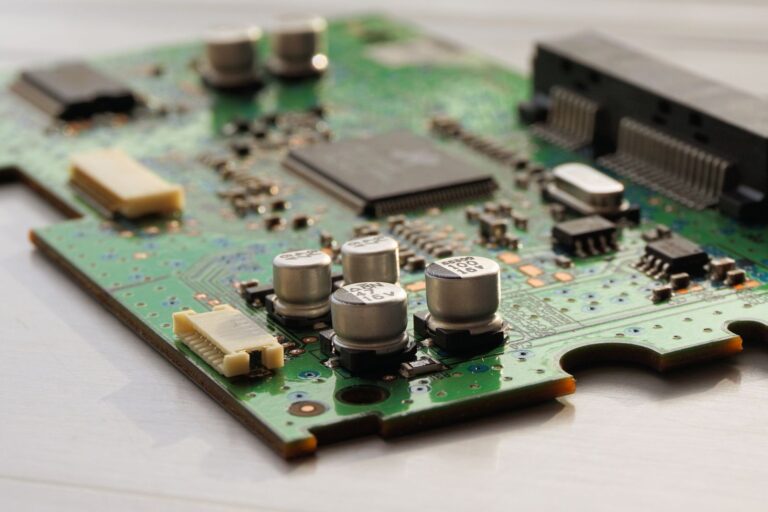
Qualcomm is in advanced talks to buy Modular Inc.
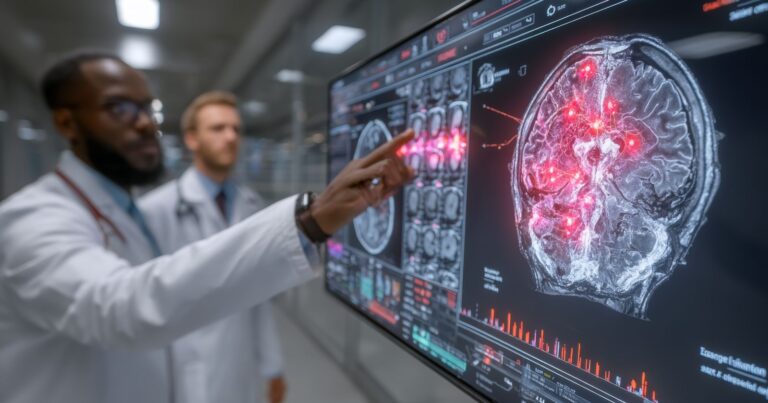
A cochlear implant gives sound back to the ear by skipping the broken hair cells and speaking directly to the auditory nerve.
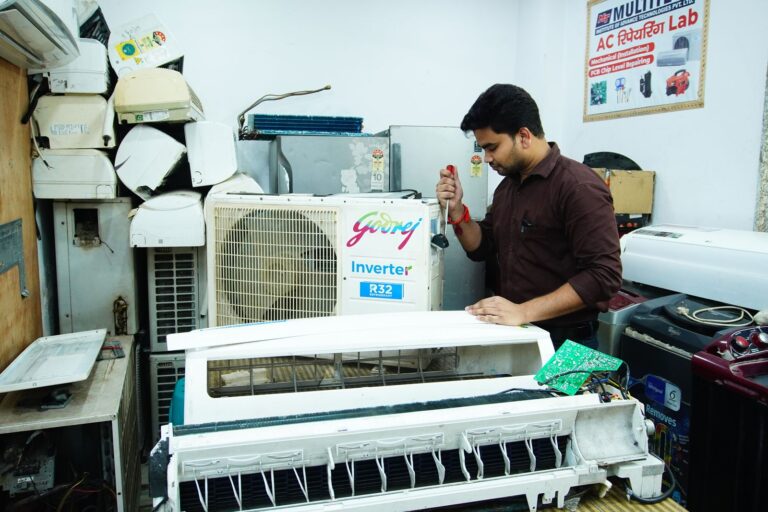
The story sold to consumers is that the air conditioner in the window is essentially a finished technology — a machine that just needs a greener refrigerant and a smarter thermostat to ride out the climate century.

For most of the past three years, the consensus from American venture funds was that European SaaS had a ceiling.

Think of enterprise AI right now as a Formula 1 engine bolted to a delivery van.

The standard reassurance about artificial intelligence and work — that it will not cause mass unemployment, that history shows technology creates more jobs than it destroys, that the people warning about robots taking jobs have been wrong for two centuries — happens to be technically correct and almost entirely beside the point.

In April 2025, at the Kigali Summit, African leaders announced a $60 billion AI fund built around a paradox: the fastest path to AI sovereignty on the continent runs directly through thousands of Nvidia GPUs, Google Cloud credits, and Microsoft data centre partnerships.