

What pushing in a chair can show about everyday consideration
Last week I watched a bloke in a near-empty café stand up, sling his bag over one shoulder, and then, before he walked out, quietly slide his chair back under the table.

The human behaviour behind the work. Decision-making, attention, identity, performance, and the everyday observations that explain how people live and work inside the technology economy.
856 articles · Mind
Last week I watched a bloke in a near-empty café stand up, sling his bag over one shoulder, and then, before he walked out, quietly slide his chair back under the table.

In 1996, Cornell psychologist Thomas Gilovich sent students into a room wearing a Barry Manilow T-shirt and measured a gap that would reshape how psychologists think about self-consciousness: wearers guessed 46 per cent of observers noticed the shirt. The real number was 23 per cent.

A physical book makes a narrow promise.

There is a particular kind of desk that looks as if it belongs to two eras at once.

Stand like a superhero for two minutes before a job interview, and your body chemistry shifts to make you braver.
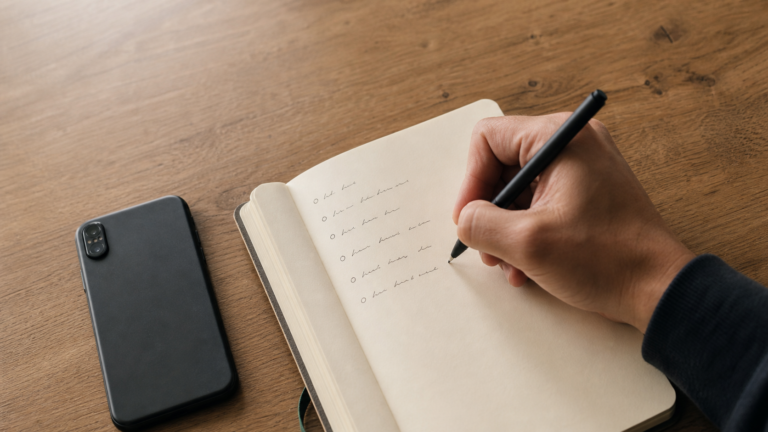
There is an oddly revealing moment in modern life: someone needs to remember something, reaches past the phone already in their hand, and looks for a pen.
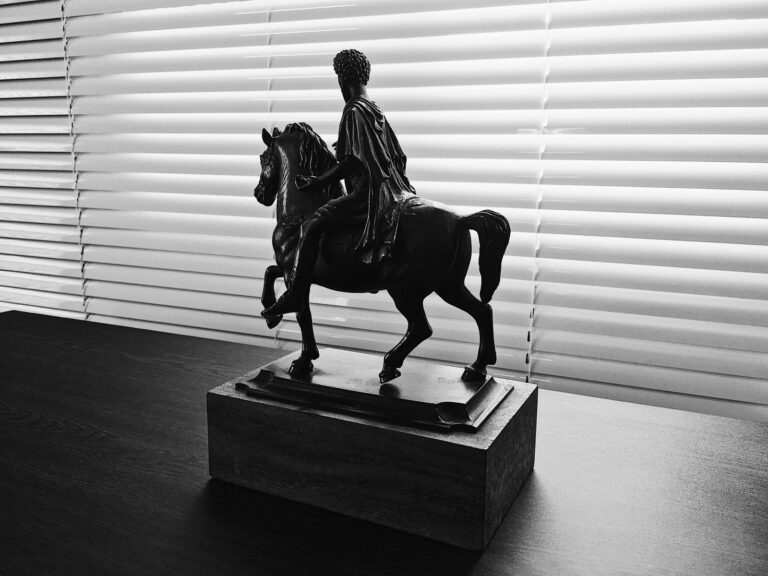
Marcus Aurelius wrote one of his clearest warnings about ambition in the fourth book of the notes now called Meditations.

My grandmother knew everyone's blood type.

"Table seven, one cover." That was the line that used to make my floor staff sigh.

Some of the gentlest people I have ever met had lives that would flatten most of us.

Philip Brickman's 1978 Northwestern study tracked 22 Illinois lottery winners and found that within a year, they rated ordinary pleasures — coffee, conversation, a good meal — lower than people who had never won. The finding launched the concept of the hedonic treadmill.

Wearing the same excellent coat for fifteen years isn't frugality — it's a quiet psychological strategy. When possessions are few and cared for, they accumulate a kind of dignity that a full closet, with all its churn and optionality, structurally cannot produce.