

Why childhood labels such as ‘strange’ or ‘too much’ do not define adult…
The traits that made you an outcast at ten may be precisely what makes you indispensable at forty—if you survived the gap between.

The human behaviour behind the work. Decision-making, attention, identity, performance, and the everyday observations that explain how people live and work inside the technology economy.
856 articles · Mind
The traits that made you an outcast at ten may be precisely what makes you indispensable at forty—if you survived the gap between.

The urge to pinch, squeeze, or bite something precious turns out to be universal—and scientists still don't fully understand why tenderness triggers aggression.

The gap between sincere belief and actual behavior isn't moral failure—it's a universal human trait that even the most devout can't escape.

The quietude of later life isn't withdrawal—it's often the long-deferred rest of those who spent decades absorbing others' chaos.

A single Japanese word changed how one writer saw light—and neuroscience suggests language literally shapes what we notice.

The secret to aging well isn't having a better life—it's mastering the harder skill of wanting the one you've got.

Genuine grandparent love isn't measured in gifts—it's measured in the radical act of listening to a child like their thoughts actually matter.

Your pet in bed isn't a substitute for human connection—it's tapping into the same neurological pathways that make us feel truly safe.

The pursuit of meaning doesn't follow a schedule, and decades of research reveal what actually matters more than hitting arbitrary milestones.
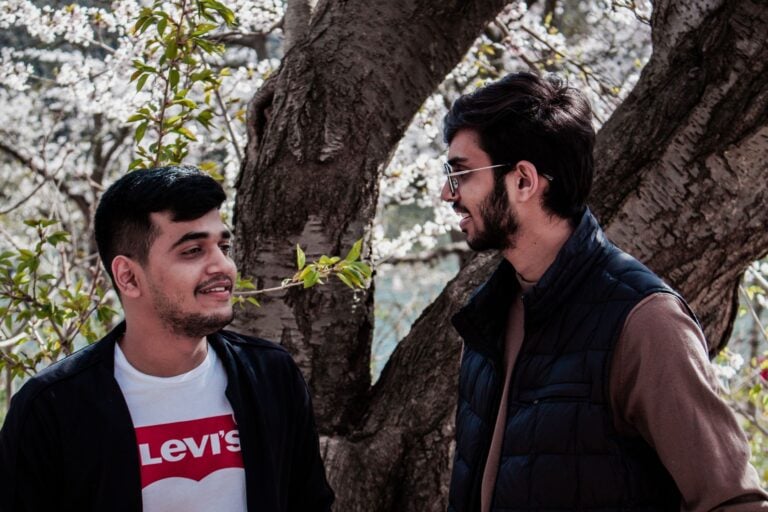
The culture wars offer two exhausting blueprints for manhood, but neuroscience, psychology, and decades of outcome data suggest something far simpler and more effective.

The pet names we invent reveal less about our attachment to animals than about the secret language of intimacy itself.
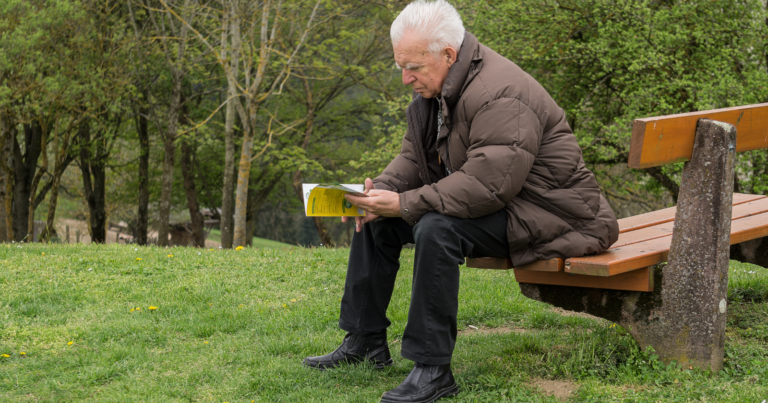
Retirement's quiet withdrawal may signal not decline but liberation—the end of a decades-long performance that finally no longer demands an audience.