
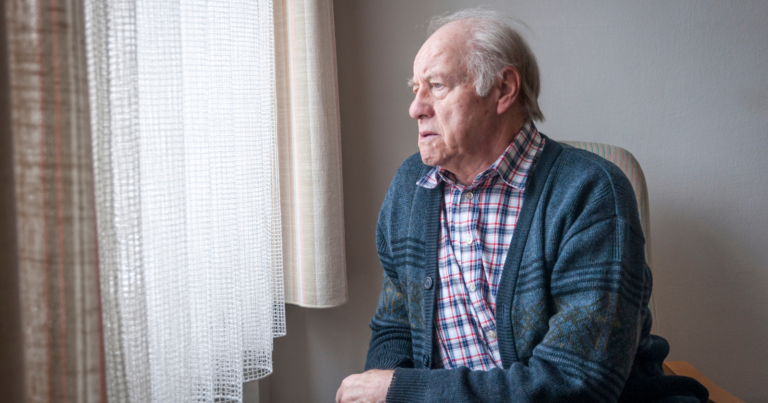
Why retirement can expose an imbalance in long-standing friendships
My grandmother knew everyone's blood type.

Relationships, identity and social behaviour, including how institutions and technologies reshape the way people live together.
625 articles · Relationships & Society
My grandmother knew everyone's blood type.

"Table seven, one cover." That was the line that used to make my floor staff sigh.

Some of the gentlest people I have ever met had lives that would flatten most of us.

Philip Brickman's 1978 Northwestern study tracked 22 Illinois lottery winners and found that within a year, they rated ordinary pleasures — coffee, conversation, a good meal — lower than people who had never won. The finding launched the concept of the hedonic treadmill.

Wearing the same excellent coat for fifteen years isn't frugality — it's a quiet psychological strategy. When possessions are few and cared for, they accumulate a kind of dignity that a full closet, with all its churn and optionality, structurally cannot produce.

An adult can be personable, attentive and capable of affection while still having nobody they would call a close friend.

Resilience is often misread as speed.

A person can reach their 60s with only a few close friends for reasons that have little to do with being bad at relationships.
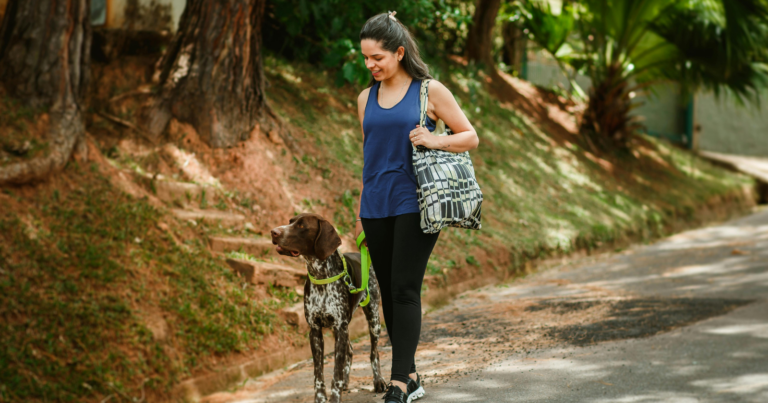
How little time outdoors does it take to feel better?
The numbers do not care how hard you work.

There's a certain kind of person you learn to spot if you've ever run a room full of tables.
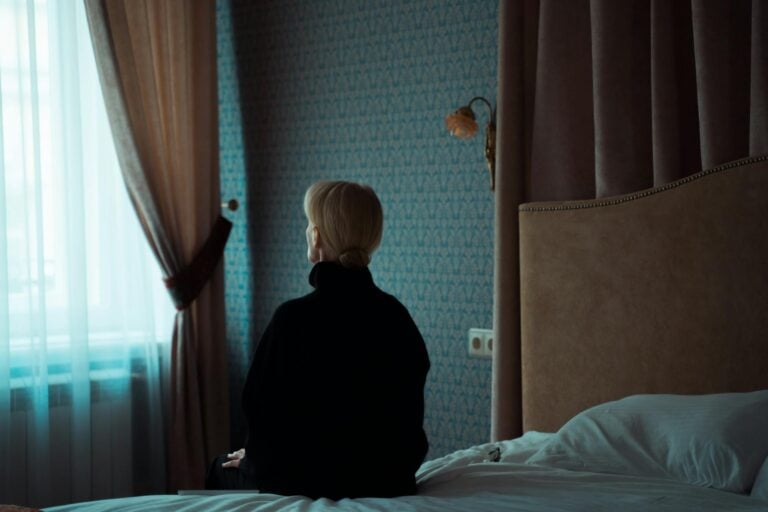
We've got a lazy story we tell about lonely old people.