

Airbnb to go public next year post-WeWork IPO collapse: Here’s all you need to…
The popular home-sharing rental business, Airbnb has announced plans to become a public company in 2020 through a brief statement.

Technology, AI, capital and institutions, examined through who builds systems, who controls them and who benefits.
11,488 articles · Technology & Power
The popular home-sharing rental business, Airbnb has announced plans to become a public company in 2020 through a brief statement.
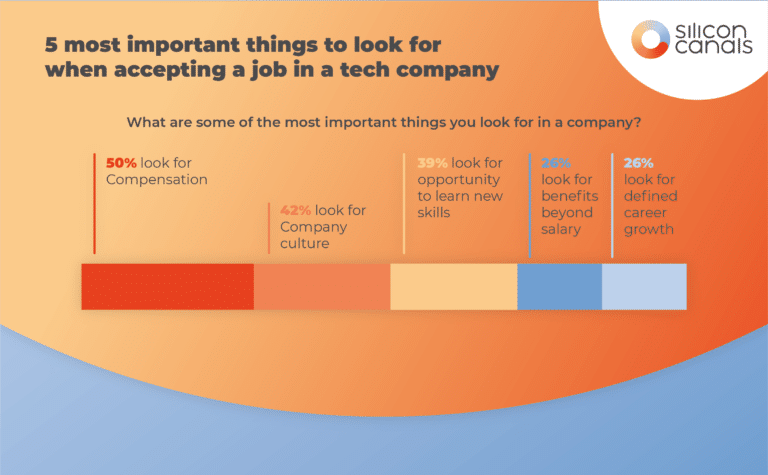
Career-changers are inclined towards tech companies for a good reason.

Huawei has been facing a tough time in the US and Europe for the past few months.

Stripe, a payments powerhouse headquartered in San Francisco which builds economic infrastructure for the internet, is now raising $250 million in additional funding.

While Facebook started out as an online social media platform, the company is no stranger to other technologies.
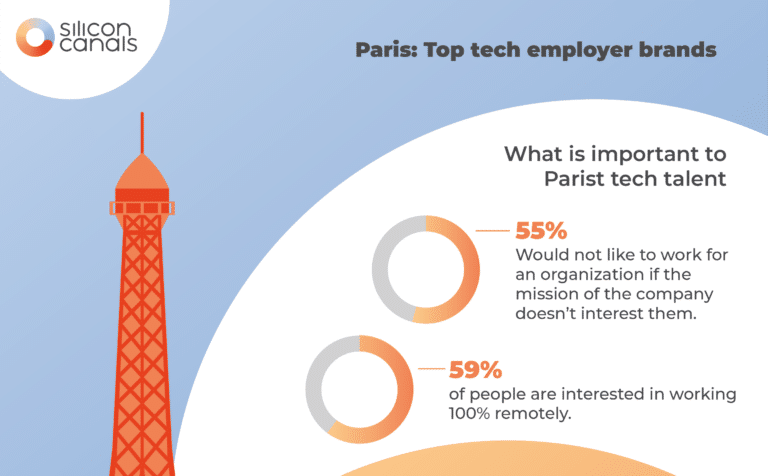
Recently, Hired, a marketplace that matches tech talent with suitable companies across the world came up with the 2019 Brand Health Report.

The London-based tech startup Lavanda enables institutional real-estate companies and landlords to profit legitimately from Airbnb-style homestays and home sharing.

AppFollow.io, a Helsinki-based startup that helps businesses manage mobile apps and user feedback from all major app stores, has secured an investment of $1.1M ( approx €995K).

Of course, scaling up a business isn't a piece of cake.

Festicket, a UK-based festival booking platform makes booking festival experiences in Europe as simple as booking a holiday.
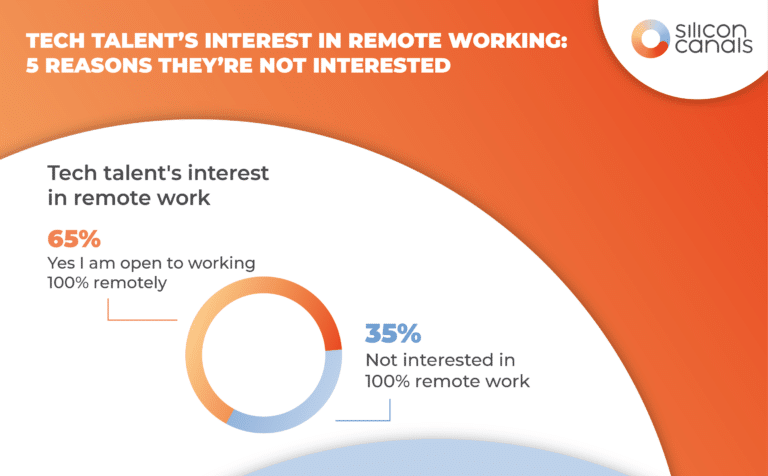
Ever since telecommunication rose to popularity, several companies have been focusing on prospects to reduce costs, increase productivity, and gain access to a larger pool of talent.

GoCardless, the London-based fintech startup that aims to take the pain out of getting paid for businesses with recurring revenue has launched a U.S. debit solution.