

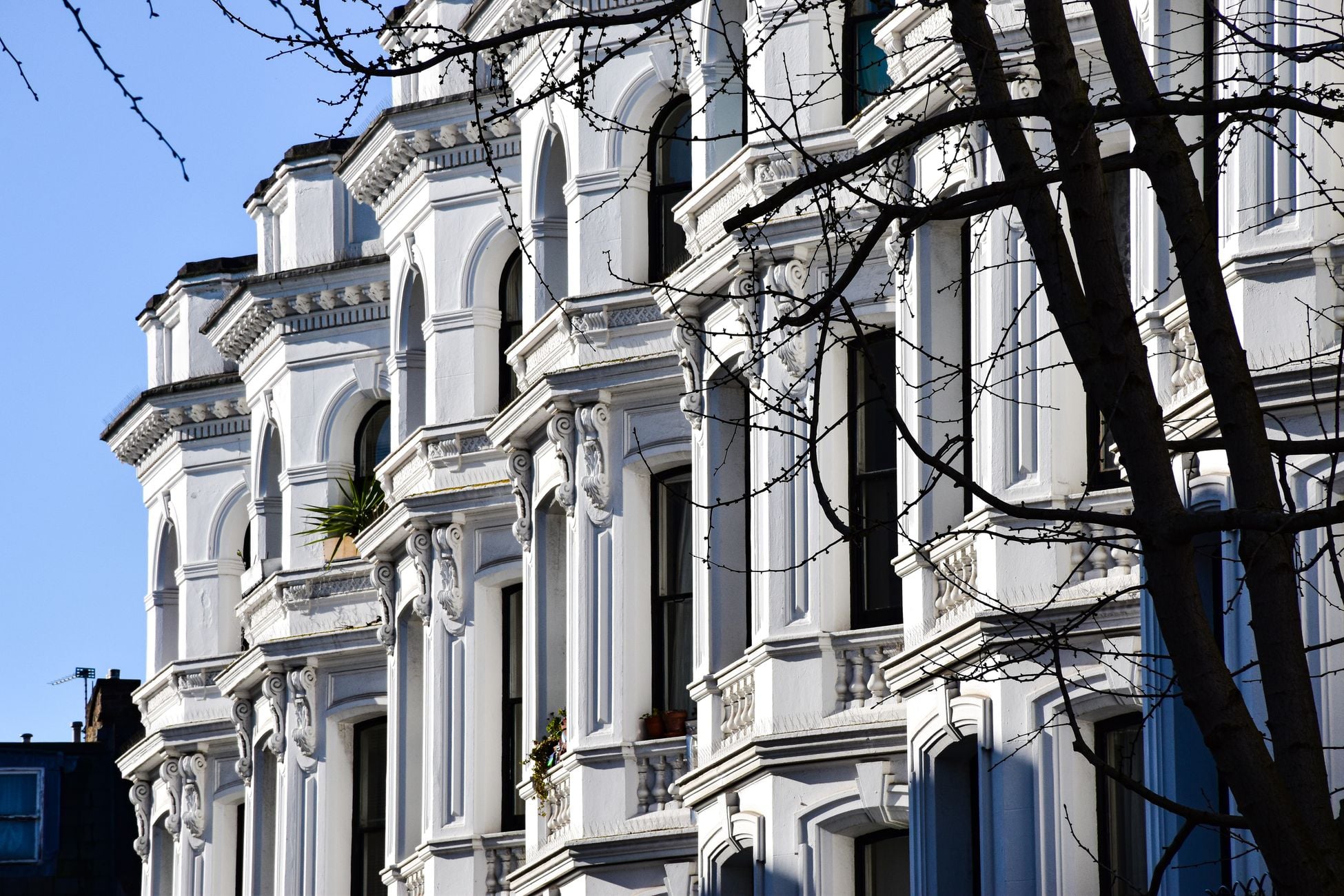
Sir Richard Grosvenor secured a royal licence in the early 1720s to develop Mayfair pasture into what would become Grosvenor Square, and instead of selling the townhouses his surveyors laid out around the green, he leased them — typically for 99 years — so that when each lease ran out, the house, the brickwork, the panelling, and the chandeliers all reverted to the Grosvenor family, who had never stopped owning the ground beneath.
Three centuries on, the arrangement still works. The family, now headed by the Duke of Westminster, still owns substantial portions of Mayfair and Belgravia through the Grosvenor Estate. The houses come back. The rents reset. The wealth compounds quietly, in the background, while everyone else argues about property markets.
It is one of the longest-running exercises in patient capital in the Western world, and it began with a wedding.
A marsh, a marriage, and a very long view
In 1677, a young Cheshire baronet named Sir Thomas Grosvenor married an heiress called Mary Davies. Mary’s dowry included hundreds of acres of scrubby, semi-rural land west of the City of London — meadows, orchards, and the odd duck pond, running from what is now Oxford Street down to the Thames. At the time it was worth very little. Nobody wanted to live that far out.
Two generations later, London had grown. The Grosvenors decided to build.
Sir Richard Grosvenor, Mary’s son, laid out Grosvenor Square in the 1720s as the centrepiece of the new Mayfair development. At six acres, it was one of the largest residential squares in London when it opened, and the houses around it were designed for dukes, ambassadors, and the very rich. John Adams lived on the square as the first American minister to Britain. Later it would house the US Embassy for decades.
What made the arrangement unusual was not the grandeur. It was the paperwork.
The 99-year clock
English land law had a peculiar instrument called the building lease. A landowner would grant a builder or occupant the right to erect a house on the land and live in it — but only for a fixed term, usually 99 years. At the end of the term, the house and everything attached to it reverted to the freeholder. The tenant walked away with nothing but their furniture.
The Grosvenors used this instrument with unusual discipline. They almost never sold the freehold. They leased. And when a 99-year lease expired, sometime in the early 1820s for the first Grosvenor Square houses, the family granted a new lease, at a new ground rent that reflected the fact that Mayfair was now the most fashionable address in Europe.
Each cycle, the rent reset upward. Each cycle, the estate kept the underlying dirt. And each cycle, a house that had been built with someone else’s money quietly rejoined the family portfolio.
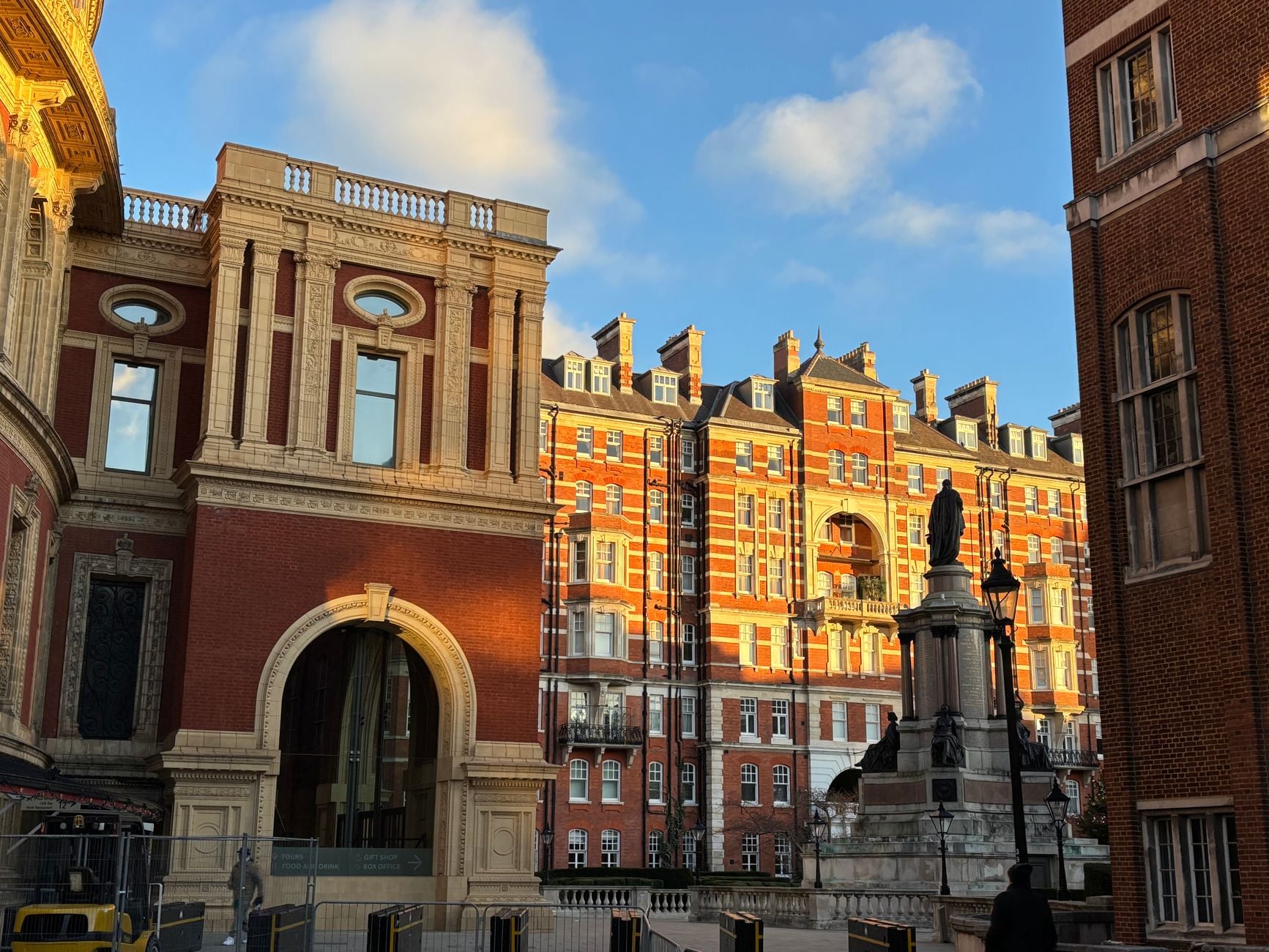
Why anyone agreed to this
The obvious question is why anyone would build a mansion on land they did not own, knowing that in a century their heirs would have to hand it back or renegotiate on the landlord’s terms. The answer is that 99 years is a very long time when you are 40 years old and want to live somewhere impressive. Most lessees never saw the reversion. Their great-grandchildren did.
And for the buyer, the ground rent itself was often trivial — a few pounds a year on a house that cost thousands to build. The lease felt, in practical terms, like ownership. It looked like ownership. It behaved like ownership. Until, one afternoon in the 1820s or 1920s or 2020s, it stopped being ownership.
This is the psychological trick at the heart of the leasehold system. The pain is deferred so far into the future that no living person absorbs it. It is the exact opposite of the impulse economy — a structural bet on delayed gratification at a scale most families cannot conceive of, let alone execute.
What the estate looks like now
The modern Grosvenor Estate is one of the largest private landowners in central London. Its Mayfair and Belgravia holdings take in some of the most expensive residential postcodes on Earth: Eaton Square, Belgrave Square, Upper Grosvenor Street, Mount Street, and the square itself.
Grosvenor Square was rebuilt substantially in the 20th century — the original Georgian houses were replaced piecemeal with mansion blocks and embassies — but the underlying freehold structure survived every rebuild. When the American embassy vacated its block on the west side of the square in 2017, the site did not go on the open market as a freehold. It went on a long lease. The investors who redeveloped it into the Chancery Rosewood hotel do not own the ground. The Grosvenors do.
The current head of the family, Hugh Grosvenor, inherited the dukedom and the estate in 2016 at a young age, when his father died suddenly. He became, on paper, one of the wealthiest young people in Britain — not because anyone had sold anything, but because centuries of leases had done what leases do.
The compounding trick
To see why this works, consider what happens across just three lease cycles.
Cycle one: a Georgian builder erects a townhouse in 1725 on land he leases for 99 years at a modest ground rent. He lives in it, sells the leasehold interest to a viscount in 1750, who sells it on again in 1790.
Cycle two: in 1824, the lease expires. The Grosvenors take possession of the by-now valuable house, grant a new lease at a ground rent reflecting Regency Mayfair prices, and collect for another 99 years. In the interim, the house is refitted, extended, wired for gas, then electricity.
Cycle three: in 1923, the lease expires again. The house is now worth a fortune. A new lease is issued, possibly to a developer who converts it into flats. Ground rents climb again. The Grosvenors have collected income for 200 years without selling a square foot of soil.
The family has done nothing except wait, and issue paperwork, and wait some more.
Why it survived when most estates didn’t
Most great English landed estates were broken up in the 20th century by death duties, forced sales, or leasehold reform legislation, which gave certain long leaseholders the right to buy their freeholds. The Grosvenors survived largely because their holdings were commercial and high-end residential rather than modest owner-occupied houses, and because the estate was held in trust structures designed to outlast individual lifetimes.
The trust structure matters. The land is not owned by one duke who might gamble it away or divorce badly. It is held for the benefit of the family across generations, with trustees whose job is to think in centuries rather than election cycles.
That kind of horizon is almost impossible to manufacture. The Atlantic has argued that modern culture has largely abandoned the discipline of waiting, and financial products increasingly reward the opposite. The Grosvenor Estate is a museum piece of the older logic: buy the ground, never sell it, let time do the compounding.
The great wealth transfer, in miniature
Wealth advisers now talk constantly about the great intergenerational wealth transfer — the vast sums that will pass to younger heirs globally over the next two decades. Most of that money will be handled clumsily. Family wealth often dissipates by the third generation, as heirs sell, spend, divide, and lose focus.
The Grosvenors have persisted across many generations, and the fortune has not only survived but grown. The reason is partly the trust structure and partly the lease structure — but mostly it is the refusal to sell the underlying asset, ever, under almost any circumstance.
Family offices advising today’s newly wealthy have started borrowing the language, if not the mechanics. A growing number are helping clients articulate the purpose of wealth across generations before drafting the tax plans. The Grosvenors did the reverse: they drafted the leases first, in the 1720s, and the purpose followed.
What a 99-year lease feels like from the tenant side
For most of the estate’s history, tenants did not experience the leasehold as oppressive. A 99-year term buffered them from ever thinking about the reversion. The rents were modest. The addresses were extraordinary. Living on Grosvenor Square carried social weight that outweighed the technicality that one did not, strictly speaking, own the house.
That began to change in the late 20th century, as leases granted in the 1920s and 1930s ticked down toward expiry. Short leases — under 80 years remaining — sell at a discount, because banks are reluctant to mortgage them and buyers know the reversion is approaching. Leaseholders on Grosvenor Estate land now routinely pay large sums to extend, and the terms of those extensions are negotiated with the estate, which holds all the cards.
The paperwork signed in 1725 is still shaping the price of a two-bedroom flat in 2026.
The very slow return
Somewhere in Mayfair right now, a lease is quietly running down. The tenant is not thinking about it. Their solicitor may not even have flagged it yet. But in the estate office, someone is watching the calendar, and in a few years the house — or the flat, or the retail unit — will slide back into the freeholder’s hands, the way tide comes back into a marsh.
The Grosvenors will not celebrate. They will draft a new lease. And the clock will start again.
The family that arrived in London in 1677 with a young heiress and a stretch of unremarkable meadow is still, in 2026, quietly waiting for houses to come home.
