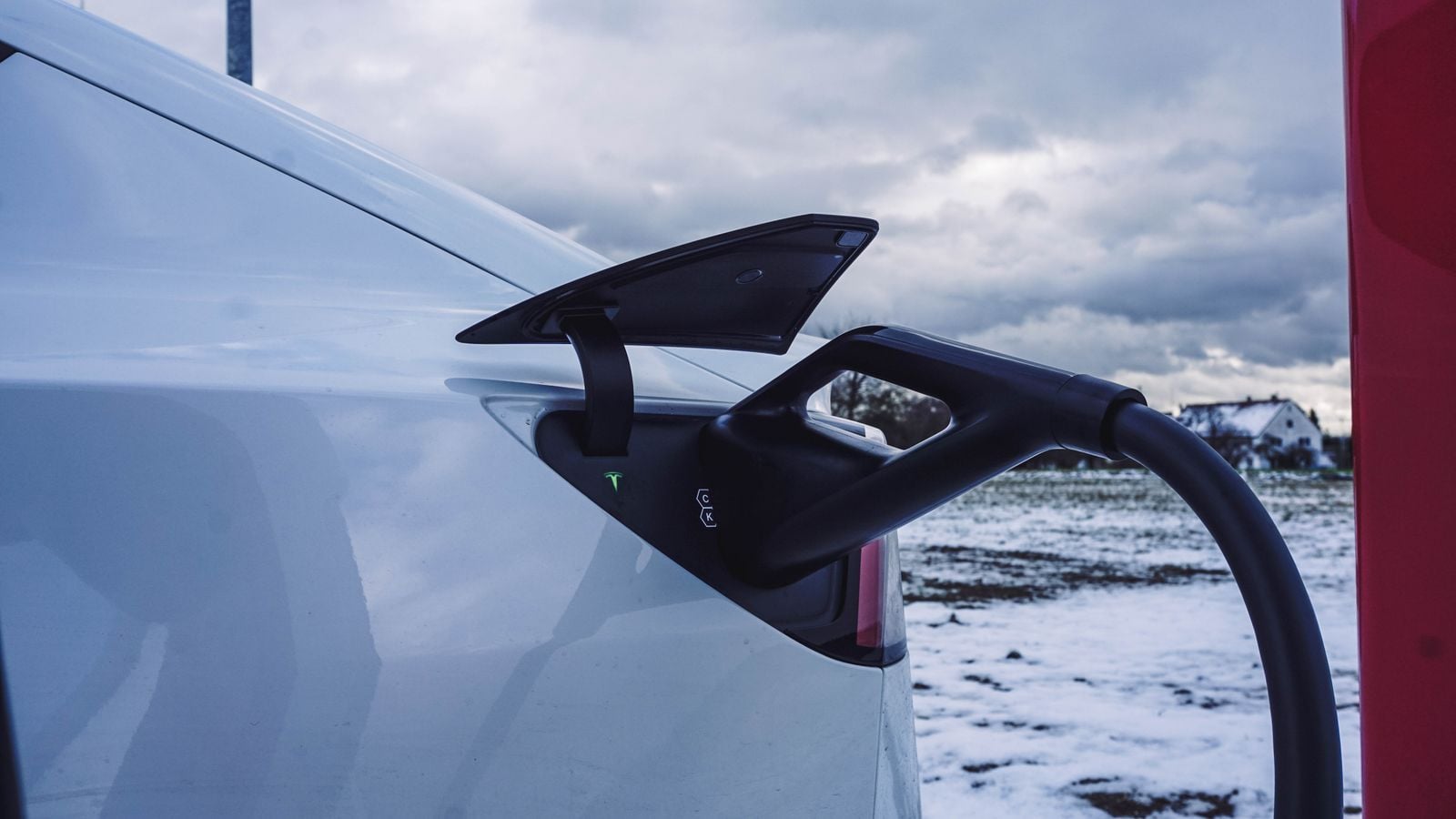
Norway did it through two long-running policy systems. Taxes and incentives made battery-electric cars cheaper and more convenient than petrol or diesel alternatives, helping them reach 95.9 percent of new passenger-car registrations in 2025. Separately, the state placed its net petroleum cash flow into the Government Pension Fund Global and limited withdrawals through a fiscal rule. Norway still produces roughly two million barrels of oil and other liquids a day, while the fund was worth 19.998 trillion Norwegian kroner at the end of March 2026.
The apparent contradiction is real, but the money does not move directly from an offshore platform into an electric-car rebate. Norway built one system to prevent petroleum wealth from overwhelming its domestic economy and another to change what its citizens bought and drove. Together, they produced a country that exports fossil fuels while making the combustion engine almost disappear from new-car showrooms.
The oil arrived before the rules were finished
Just before Christmas in 1969, Phillips Petroleum informed the Norwegian authorities that it had discovered Ekofisk in the North Sea. Production began in June 1971, opening a petroleum era that would transform public finances, employment and exports. The official history of Norway’s petroleum sector records how the state had already asserted sovereignty over continental-shelf resources and resisted handing exclusive control to one company.
Norway was not an impoverished fishing village suddenly handed a fortune. It was an established industrial democracy with shipping, fisheries and hydropower-intensive industries, as well as public institutions capable of taxing and regulating foreign oil companies. That institutional foundation mattered when the scale of the offshore discoveries became clear.
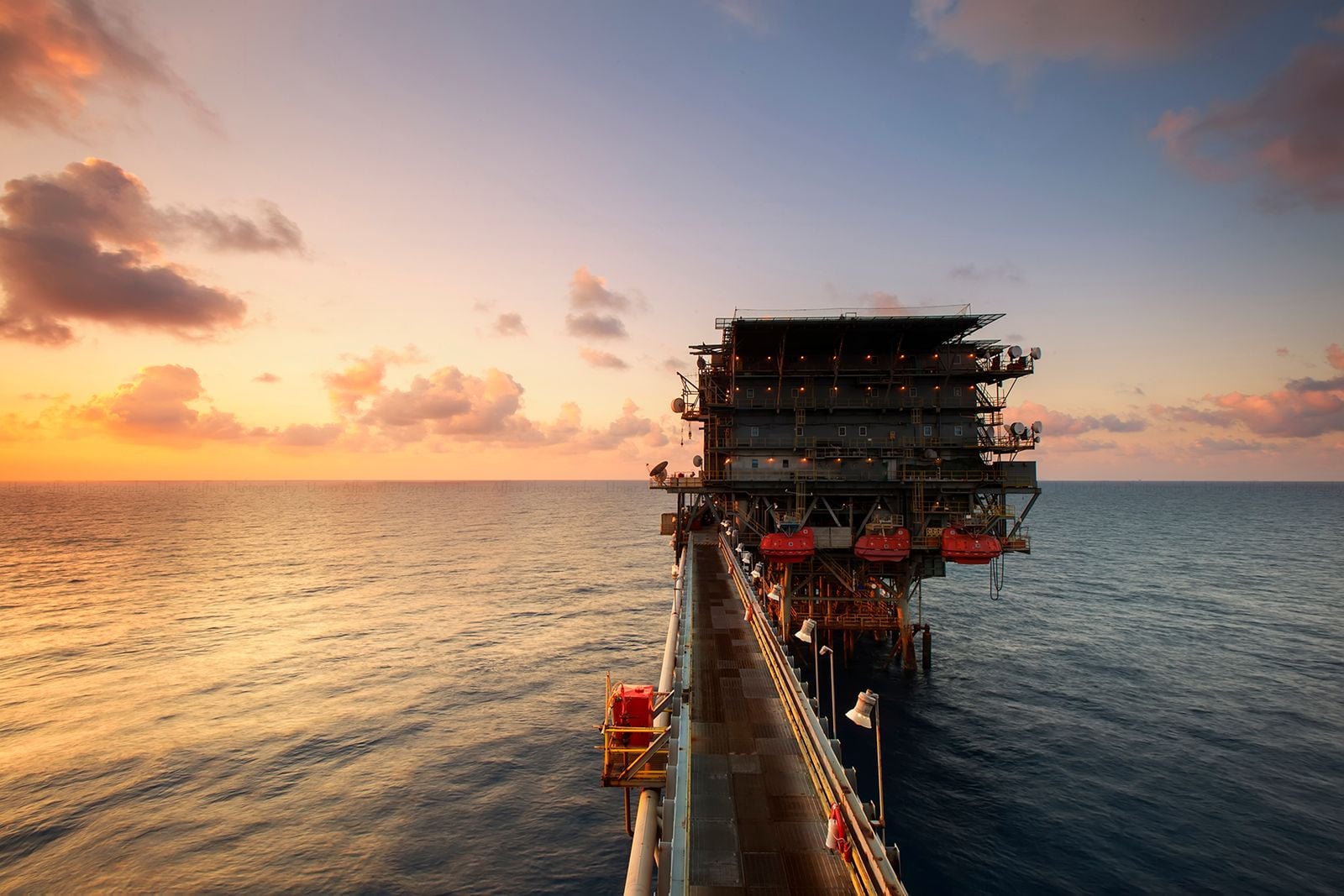
Norway subsequently combined heavy petroleum taxation with direct state participation in fields and infrastructure. State-owned Statoil, now Equinor, was founded in 1972, while the State’s Direct Financial Interest later gave the government ownership stakes in licences, pipelines and facilities. Nearly all oil and gas produced on the Norwegian shelf is exported, and the two commodities represented 57 percent of the value of Norwegian goods exports in 2025.
The fund turned a temporary windfall into foreign assets
Parliament established what was then called the Government Petroleum Fund in 1990. Weak public finances meant that no money entered it until 1996, but transfers accelerated once the budget moved into surplus. It was later renamed the Government Pension Fund Global, although it remains widely known as the oil fund.
The legal mechanism is more precise than simply depositing every krone of oil revenue. The state’s net cash flow from petroleum activity is transferred to the fund, while withdrawals return to the national budget only after parliamentary approval. Under the fiscal framework used since 2001, spending from the fund should over time track its expected real return, currently estimated at three percent.
That three-percent figure is a guideline, not an inviolable annual ceiling. The government can spend more during a severe downturn and less in normal years, with economic conditions taken into account. What the rule prevents is a simple political equation in which a strong year for oil prices automatically produces an equally large domestic spending surge.
The fund invests outside Norway in listed shares, bonds, unlisted property and renewable-energy infrastructure. Keeping the capital abroad reduces the risk that petroleum income will drive up the currency, wages and prices at home. It also converts revenue from a finite resource into claims on thousands of companies and assets spread across the global economy.
At the end of 2025, the fund held investments in 7,201 listed companies and thousands of bonds, properties and infrastructure assets across 68 countries. Its 2025 annual report recorded a 15.1 percent return and a year-end value of 21.268 trillion kroner. Silicon Canals has examined the extraordinary reach of this portfolio in its report on how the fund votes across global markets.
Norway made the electric car the cheaper choice
The electric-car transition grew from a different political track. Early advocates included a-ha musician Morten Harket and environmental campaigner Frederic Hauge, who drove a converted electric Fiat through Oslo and repeatedly refused to pay road tolls. Their highly visible protests helped turn an obscure vehicle technology into a tax and transport issue.
Over the following decades, Norway assembled incentives rather than relying on a single subsidy. Battery-electric cars received relief from purchase taxes and, from 2001, value-added tax, while petrol and diesel cars faced registration charges linked to weight and emissions. The price gap could therefore work in both directions: an electric model became cheaper while a high-emission combustion model became more expensive.
Owners also received practical advantages, including reduced tolls and ferry charges, access to some bus lanes and, at different times and places, cheaper parking. The national government says the combination of tax rules and user incentives was the principal reason adoption rose so quickly. By the end of 2024, Norway also had more than 9,000 publicly available fast-charging points for light vehicles.
The sales curve shows the cumulative effect. Battery-electric cars accounted for 5.5 percent of new passenger-car registrations in 2013 and passed half of the market in 2020. Their share reached 88.9 percent in 2024 before climbing to 95.9 percent in 2025, according to Norway’s Road Traffic Information Council.
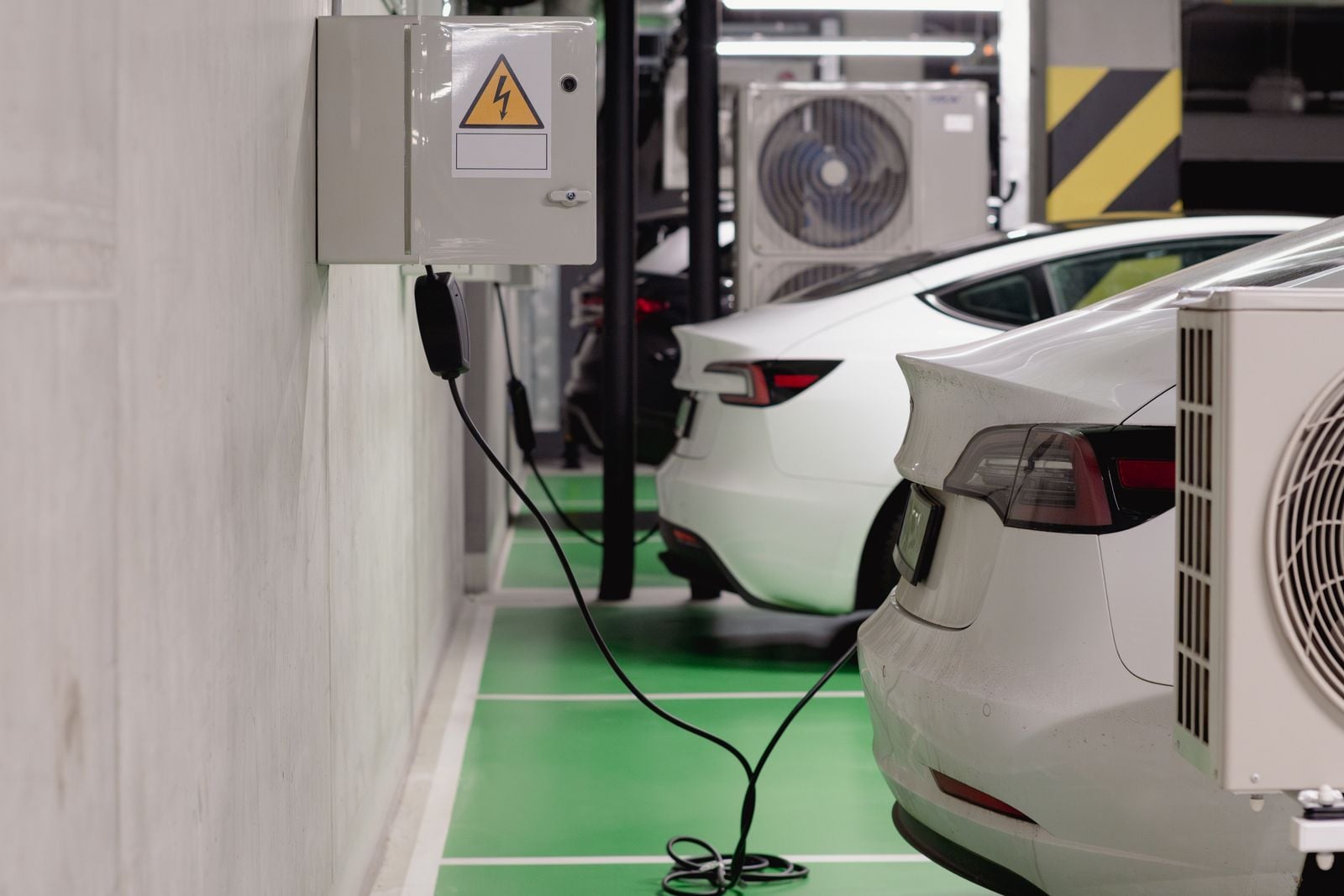
The 2025 figure is for fully electric cars, not plug-in hybrids or conventional hybrids grouped under a broad definition of “electrified.” That distinction matters because the original 2024 figure was 88.9 percent fully electric, while plug-in hybrids contributed another 2.7 percent. By 2025, the battery-only category itself had reached almost 96 percent.
Hydropower made electrification more convincing
Electric cars were especially well suited to Norway’s power system. Statistics Norway reported that hydropower supplied 89.9 percent of Norwegian electricity generation in 2025, with wind contributing another 8.6 percent. Charging a car therefore usually adds far less operational carbon than it would in a grid dominated by coal or gas.
This electricity advantage is geographic, not a product of the oil fund. Mountain reservoirs, abundant rainfall and a power system developed around hydropower gave Norway a low-carbon supply long before modern electric cars reached the market. Petroleum wealth increased the state’s fiscal room, but it did not create the rivers or dams.
The transition also encouraged hopes that Norway could build industries around batteries, charging and electric transport rather than merely importing cars. Silicon Canals previously covered the proposed FREYR battery project powered by Norwegian hydroelectricity. Such projects show the industrial ambition surrounding electrification, although Europe’s battery sector has also demonstrated how difficult it is to turn abundant clean power into competitive large-scale manufacturing.
The fund and the electric-car programme therefore reinforce the same national image without forming a single financial machine. Petroleum revenue enters the general fiscal system through the fund and the budget, while vehicle taxes and exemptions are decided through ordinary tax policy. It would be misleading to say that each exported barrel directly pays for a Norwegian driver’s car.
The bill was large, and the advantages are shrinking
The tax cost was substantial, although it cannot be reduced to one clean number. Norway’s Ministry of Transport estimated that car-related tax revenue in 2025 would be around 50 billion kroner lower than under the 2007 tax system, while stressing that the entire difference could not be attributed to electric cars. More efficient combustion vehicles, hybrids, toll discounts and other changes also reduced revenue.
With electric cars established as the default, the government began withdrawing support. For 2026, it reduced the VAT-free portion of an electric car’s price from 500,000 to 300,000 kroner and announced an intention to remove the exemption in 2027. The Finance Ministry estimated the exemption’s value at 17.5 billion kroner before that reduction.
The transition is also less complete than showroom figures suggest. Electric cars represented 32.5 percent of Norway’s total passenger-car fleet at the end of 2025, meaning most cars already on the road still used another powertrain. Replacing an entire national fleet takes much longer than changing the composition of one year’s sales.
Norway’s domestic progress also does not erase the emissions from the oil and gas it exports. Those emissions appear primarily in the accounts of the countries where the fuels are burned, while petroleum remains central to Norwegian exports and state income. The country has electrified its own roads without ending its role as a major supplier of fossil energy to Europe.
The two clocks are now running at different speeds
The oil fund is intended to outlast the petroleum fields, but its value can move sharply with markets and exchange rates. It fell from 21.268 trillion kroner at the end of 2025 to 19.998 trillion at the end of the first quarter of 2026, even though government inflows continued. A vast portfolio is not the same thing as a guaranteed annual return.
Norway’s model is also difficult to export whole. Few petroleum producers combine a small population, long-established institutions, enormous offshore revenue, a hydropower-dominated grid and three decades of accumulated foreign investments. The electric-car incentives can be copied individually, but the surrounding fiscal and energy conditions cannot.
The unresolved question is how quickly Norway can reduce its dependence on the industry that built the fund. Oil and gas still exceed half the value of its goods exports, while the growing fund is designed to provide budget income long after petroleum production declines. One system is preparing for the end of the resource; the other has already pushed petrol and diesel cars to the edge of the showroom.
For now, both clocks continue to run. Offshore platforms send oil and gas towards foreign buyers, water descends through turbines in the mountains, and almost every new car leaving a Norwegian dealership moves away in near silence.