

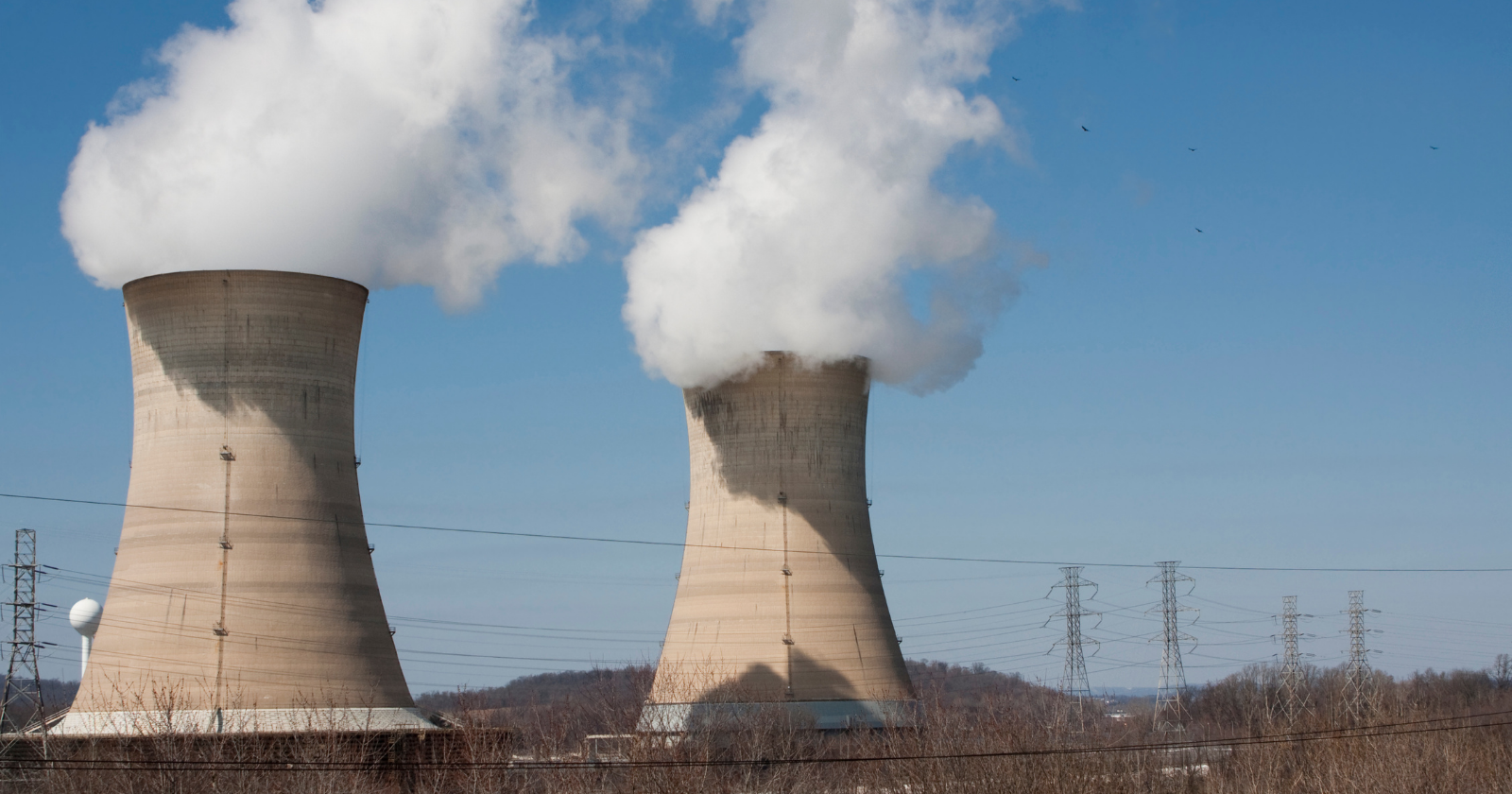
Correction, 15 September 2026: The original article said Unit 1 ran without incident, would exclusively serve data centres and was on track to restart by mid-2027. The NRC still lists the unit in SAFSTOR; restart requires approvals, and output enters the regional grid under a power agreement.
Three Mile Island is the most famous name in American energy, and famous for exactly one reason.
In March 1979, a cooling malfunction at the plant’s Unit 2 reactor led to a partial meltdown of the core. It remains the most serious accident in the history of U.S. commercial nuclear power, and the moment the country’s atomic age stalled. The island in the Susquehanna River, ten miles south of Harrisburg, Pennsylvania, entered the language as shorthand for catastrophe.
Which has always been slightly unfair to the plant’s other reactor.
The twin that kept working
It was a separate unit and was not damaged in the 1979 accident. It later resumed operation after the post-accident shutdown and regulatory review.
It ran through the disaster era. It ran through relicensing. It ran for four more decades, compiling one of the best operating records in the American fleet.
What finally killed it was not uranium but arithmetic. Cheap fracked gas flooded the regional market, Unit 1’s power cost more than anyone would pay, and Pennsylvania declined to subsidize it. In 2019, Constellation shut the healthy reactor down for purely economic reasons.
For five years it sat as a monument to the market’s verdict on nuclear power. Then the market met AI.
The customer with a bottomless socket
In September 2024, Constellation announced the deal that resurrected the plant: a 20-year power purchase agreement with Microsoft, the largest contract Constellation has ever signed.
Constellation says Microsoft agreed to buy energy attributed to the plant’s output for 20 years. The electricity will enter the regional grid; a power purchase agreement is a commercial arrangement, not a dedicated wire carrying every electron to Microsoft data centres.
The motivation is written in Microsoft’s own ledgers. The company has promised to be carbon negative by 2030, yet its emissions rose more than 20 percent on the back of the AI build-out. Artificial intelligence is hungry: the International Energy Agency expects U.S. data-center electricity use to more than double by 2030.
Nuclear power can provide high-capacity, low-carbon generation, alongside other low-carbon technologies. Reliability, cost, safety and system impacts are separate questions.
$1.6 billion and a race to 2027
Bringing a retired reactor back has never been done in America. Constellation is spending on the order of $1.6 billion to do it: refurbishing turbines, the generator, cooling and control systems, and rebuilding a workforce of 600, with the Department of Energy backing the project with a $1 billion federal loan.
The schedule is moving the wrong direction for the skeptics and the right one for the owner. The restart was originally targeted for 2028. After the grid operator approved early interconnection, it was pulled forward to 2027.
The Nuclear Regulatory Commission says the unit remains in SAFSTOR and that its staff is reviewing licensing and regulatory requests. Constellation targets 2027, but restart depends on approvals and successful engineering work.
The name on the door
One thing will not be coming back: the name.
The reborn plant is the Crane Clean Energy Center, honoring Chris Crane, the late chief executive of Constellation’s former parent company. The rebrand does obvious double duty, detaching the working reactor from the world’s reflexive association of its address with disaster.
Critics question restarting an older reactor and the grid effects of data-centre growth. The plant will not exclusively serve data centres: its power enters the regional network while Microsoft holds the contractual purchase arrangement.
Supporters, from Pennsylvania’s governor down, answer with numbers: 600 permanent jobs, thousands more during construction and refueling surges, an estimated $16 billion added to the state’s economy, and 835 emissions-free megawatts returning to a grid that needs every one.
The machine didn’t change
Underneath the argument sits a plainer historical turn.
Unit 1 was shut because gas was cheap and carbon was free. It is being revived because computation is hungry and carbon now carries a price — reputational if not legal — that companies like Microsoft take seriously.
The reactor itself did nothing in between. It sat by the Susquehanna, intact and, in its owner’s words, in excellent shape, while the definition of what its power was worth changed around it.
The accident next door made Three Mile Island the symbol of nuclear energy’s fall. The restart, if it holds its 2027 schedule, will make the same island the symbol of the reversal: the industry’s most infamous address, reopened under a new name, sold out for twenty years to a software company — because the machine that once made power nobody would pay enough for now makes the only kind of power its buyer cannot find enough of.
