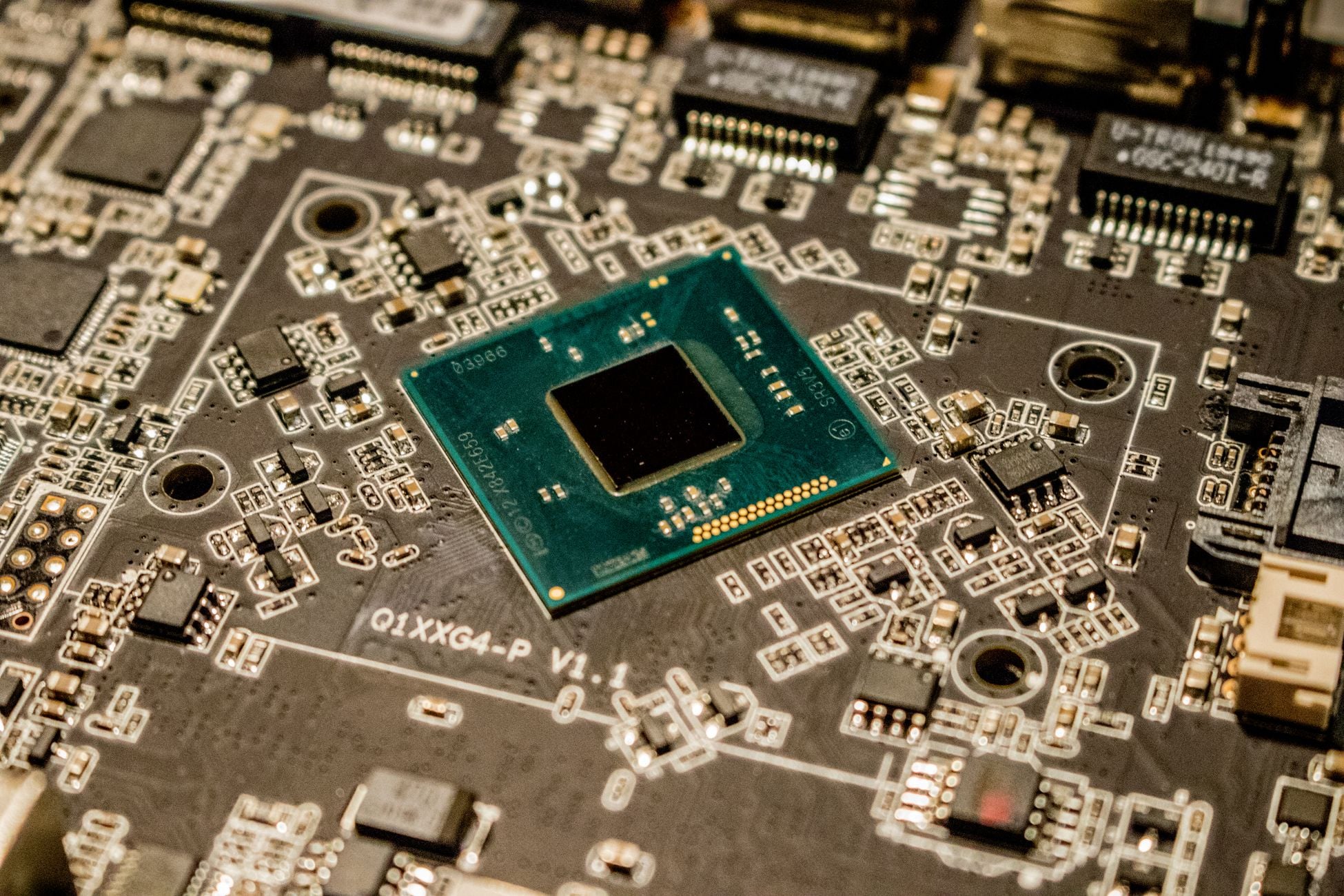
TSMC’s 2025 annual report says 7nm and more advanced technologies accounted for 74% of wafer revenue, up from 69% in 2024. That is a substantial majority, with the remaining 26% still coming from other process technologies.
Keep the denominator attached
The figure is a share of wafer revenue. It is not a share of all company activities, all chips worldwide, or the number of chips the company shipped. A change in revenue mix can reflect prices as well as output.
Process names are not literal measurements
Node labels identify generations of manufacturing technology. They should not be converted directly into the width of a transistor or a count of silicon atoms across it. The previous article’s claim that a 2nm transistor was ten atoms wide treated a process name as a physical dimension.
A large supplier with an international footprint
The same annual report describes manufacturing in Taiwan and overseas, including Arizona and Japan. A high share of advanced-node revenue does not establish that every AI response touches a particular Tainan cleanroom or that no other manufacturer can supply advanced processors.
TSMC’s foundry overview describes customers across computing, smartphones, automotive and other markets. These applications help explain why its manufacturing mix matters far beyond one company’s financial statements.
What the number can support
The disclosure supports a clear conclusion: advanced processes represent most of TSMC’s wafer revenue. Evaluating global supply risk requires additional evidence about alternatives, customer qualifications, capacity and geography.
A revenue percentage cannot establish a precise three-year replacement timeline after a hypothetical disruption. Nor does it support universal claims about which factory serves every request to an AI service.
The figure is informative when kept within its scope. Its importance does not require promoting three-quarters of wafer sales into the company’s entire business.
Correction, 3 October 2026: The earlier headline turned 74% of wafer revenue into the company’s entire business. The body also treated node names as transistor dimensions and made unsupported universal manufacturing and disruption-timeline claims. The denominator, remaining share and geographic scope are now clear.