

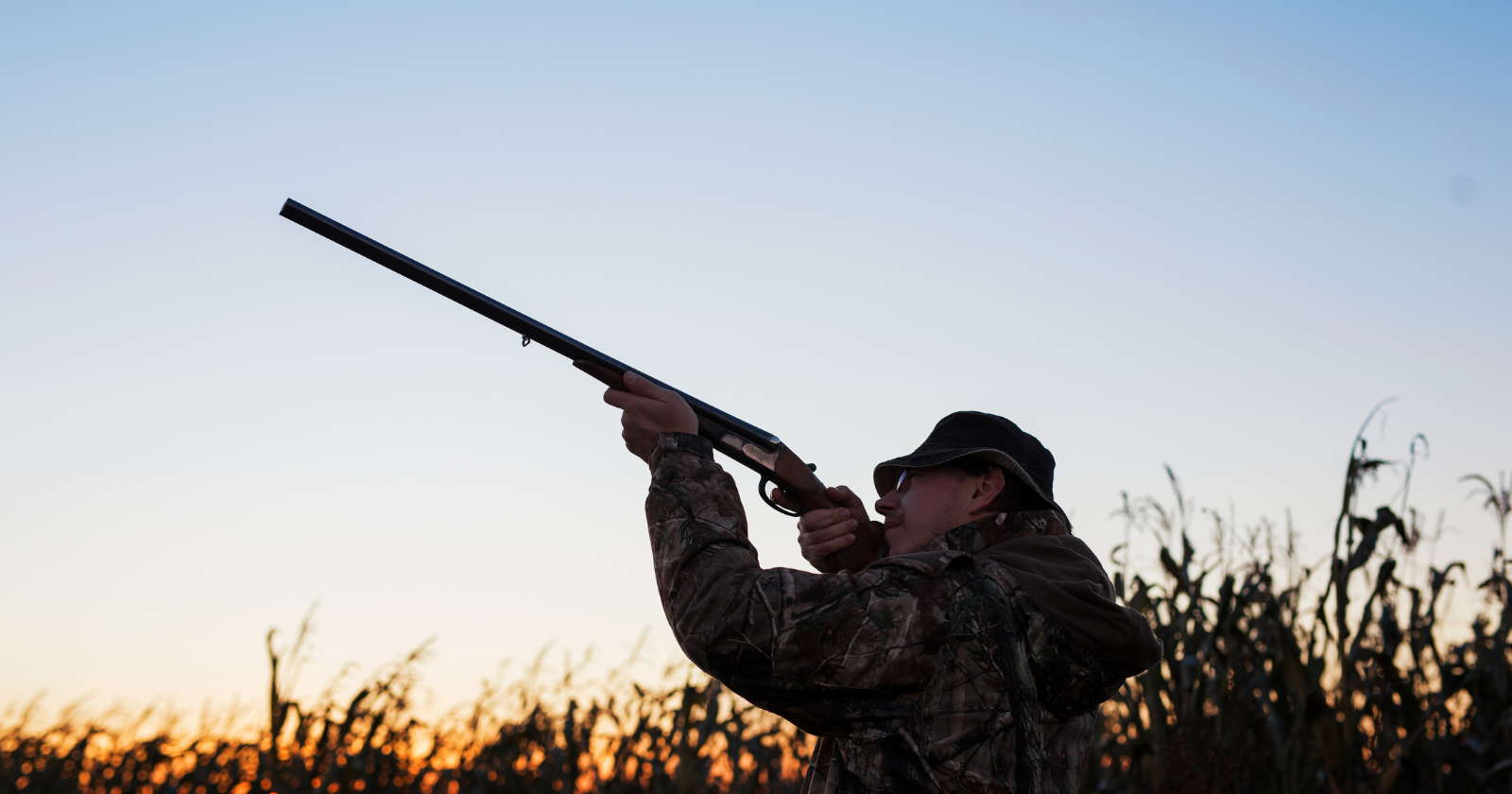
In the early 1930s, the Kittatinny Ridge above Kempton, Pennsylvania was known for a grim autumn tradition. Each year, as broad-winged hawks, sharp-shinned hawks, ospreys and eagles funnelled south along the ridge on their migration, gunners gathered on the rocks and shot them out of the sky by the thousands, often for no purpose beyond sport. Photographs of the period show hunters posing with piles of dead raptors stacked at their feet.
Rosalie Edge, a New York widow and conservationist already known for challenging the National Audubon Society’s leadership over its ties to the hunting and taxidermy industries, saw those photographs and decided to stop the killing herself. In June 1934, at the age of 57, she leased about 1,400 acres of the ridge, hired a warden to keep gunners off the land, and turned a hunting ground into what is now recognised as the world’s first refuge established specifically for birds of prey: Hawk Mountain Sanctuary.
Edge did not have the money on hand to sign the lease. According to the Smithsonian magazine’s account of the episode and a biographical essay published by The Marginalian, she borrowed $500 from Willard Van Name, a fellow conservationist and staff scientist at the American Museum of Natural History who had been quietly agitating against the mountain’s hawk shoots for years. That loan covered the initial lease payment and the wages of the sanctuary’s first warden, Maurice Broun, who moved onto the mountain with his wife Irma that same year and began keeping records of every bird that passed overhead.
From a two-year lease to permanent ownership
The 1934 arrangement was a two-year lease with an option to buy. Edge exercised that option in 1938, when the Hawk Mountain Sanctuary Association was incorporated as a Pennsylvania non-profit. According to the sanctuary’s own 1998 published history, the purchase covered 1,398 acres at a price of $2.50 an acre, for a total of roughly $3,500. Wikipedia’s account of the purchase describes it as funded by $2,500 of Edge’s own money plus additional funds raised by the Emergency Conservation Committee, the small advocacy group she ran, which is consistent with a total purchase price above $3,000 once outside contributions are added to her personal share.
That distinction matters for accuracy: the commonly repeated figure of “$2,500 to buy the mountain outright” appears to describe Edge’s personal contribution rather than the full purchase price, which sanctuary records place closer to $3,500. Either way, Edge deeded the land to the newly formed association in perpetuity, meaning no single owner could ever again decide to reopen it to hunters.
The sanctuary has grown considerably since. Hawk Mountain’s website now lists the property at 2,600 acres, expanded through subsequent land purchases and easements, including more than 200 acres added during Cynthia Lenhart’s tenure as president between 1990 and 2004, according to a history posted on the sanctuary’s own site.
Ninety-two years of counting hawks
What began as Maurice Broun’s handwritten tally in 1934 has become one of the longest-running raptor migration datasets in the world. Volunteer and staff counters have recorded birds passing the sanctuary’s lookouts every autumn since that first season, and the results feed into HawkCount.org, a database run by the Hawk Migration Association of North America that aggregates counts from watch sites across the continent, including Hawk Mountain under site number 616.
Those decades of data have become a genuine scientific resource. Hawk Mountain’s conservation science staff, including senior biologist David Barber, have used the long-term counts to track population trends for species that are otherwise hard to census, most notably a well-documented recovery in bald eagle numbers. In its 90th anniversary season, which ran from mid-August to mid-December, the sanctuary counted 668 bald eagles, a season record, against just 13 counted in the autumn of 1974, according to figures the sanctuary published at the close of that season. The same season produced 12,546 raptors in total and more than 63,000 non-raptor birds across 146 species, though overall raptor numbers that year ran about 21 percent below the sanctuary’s ten-year average.
Those full-season totals are useful context for judging any count taken early in a season. The 2026 autumn watch began on 15 August, according to the sanctuary’s own visitor announcements, and the busiest stretch of the season, when broad-winged hawks move through in large kettles, typically falls in mid-to-late September rather than in the season’s first three weeks. By that measure, the 2026 season was tracking close to pace: Hawk Mountain’s own daily count table shows 1,029 raptors tallied between the season’s opening on August 15 and September 5, roughly in line with a typical early-season count before the broad-winged kettles arrive in force later in the month.
A model that spread well beyond one ridge
Edge’s approach at Hawk Mountain became a template. Rather than lobbying government to act, she used private money to buy land outright and remove it from the market for hunting, a strategy conservation historians have credited with influencing later private land trusts and Audubon-affiliated sanctuaries. She went on to campaign for the creation of Kings Canyon National Park and Olympic National Park before her death in 1962, but Hawk Mountain remained the project most closely associated with her name.
The sanctuary today operates as a membership-supported non-profit, describing itself as the world’s largest member-supported raptor conservation organisation, with more than 60,000 visitors and over 9,000 members a year, according to its own about page. It runs research programs, a raptor conservation training scheme for graduate students, most recently naming Diego Gallego as its 2026 James A. Kushlan Graduate Student Award recipient, and public hawk-watching events through the autumn migration season.
The gunners are gone from the ridge, and the counters who replaced them are still doing, in essence, what Maurice Broun started doing in the autumn of 1934: standing on the rocks, watching the sky, and writing down what passes.
