

The truth about 10,000 steps a day: the number wasn’t science, it was the brand…
The daily step goal on hundreds of millions of wrists and phones did not come out of a laboratory.

Popular topics
Biology, geology, deep ocean, evolution, and natural-world facts. Cross-domain wonder pieces.
97 articles · Curiosities
The daily step goal on hundreds of millions of wrists and phones did not come out of a laboratory.

On 29 March 1974, six farmers digging a well in a drought-stricken Chinese village hit a clay head four metres down. They had punctured the roof of a 2,200-year-old pit holding more than 8,000 terracotta soldiers guarding the tomb of China's first emperor.

Radar-related interrupts contributed to overload. The software recovery was a team achievement, and NASA engineer Jack Garman helped Steve Bales assess the alarms.

Hot readings around a worm’s tube are not measurements of its body temperature. A 2013 experiment found prolonged exposure to 50–55°C lethal.
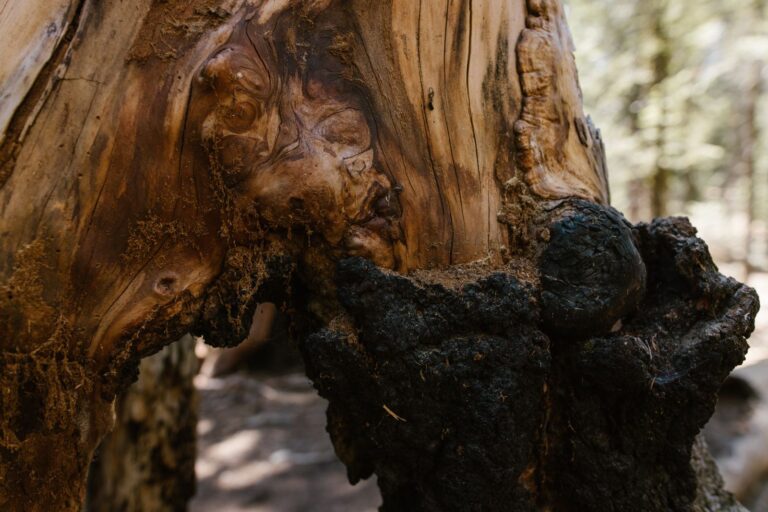
The Wollemi pine’s lineage has ancient fossil relatives, but the last relevant fossil record is about two million years old, not evidence of extinction 90 million years ago.

On October 24, 1946, a captured V-2 rocket fired from White Sands carried a 35mm camera to 65 miles up and brought back the first photographs of Earth from space — the film survived because engineers had wrapped it in steel and trusted the desert sand to catch it.
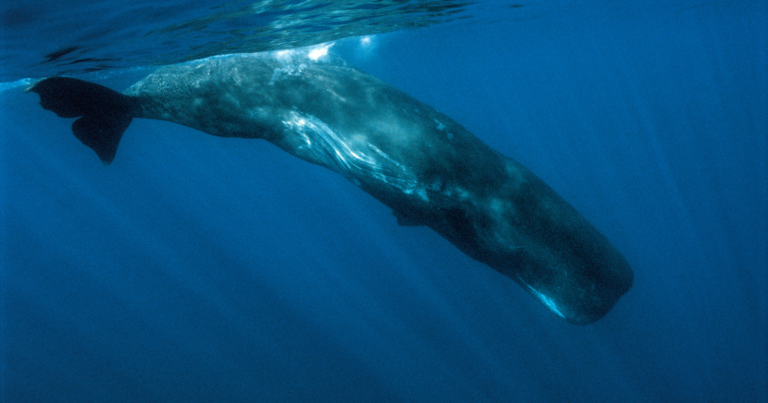
Sperm whales rest in vertical clusters near the ocean surface, silent and motionless for roughly fifteen minutes at a time — the shortest sleep cycle of any mammal yet measured, and a posture marine biologists only confirmed in 2008.
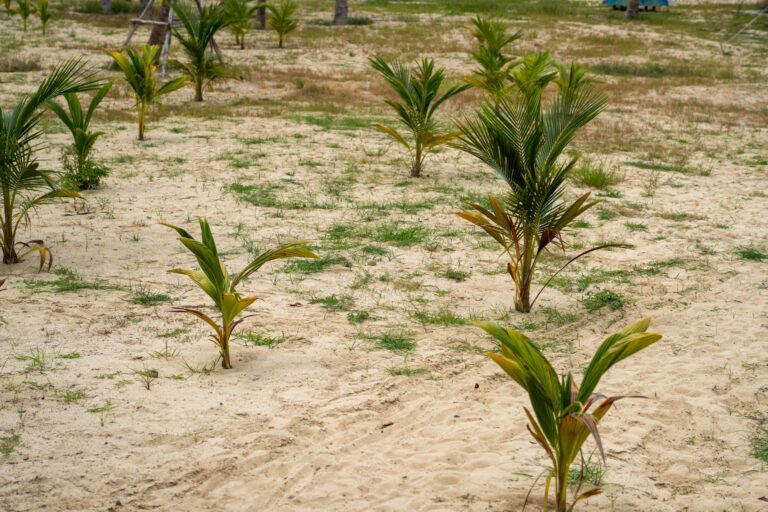
A single oil palm tree yields up to ten times more oil per hectare than soy or sunflower, which is why palm supplies over a third of global vegetable oil on less than a tenth of oil-crop land — and why its expansion into Sumatra and Borneo has become one of the hardest environmental tradeoffs on Earth.

Palm oil sits in roughly half of all packaged supermarket products, but it almost never appears on the label as "palm". The WWF lists more than 200 derivative names — from sodium lauryl sulfate to glycerol stearate — that disguise where the molecule came from, leaving shoppers with an impossible cross-referencing task at the shelf.
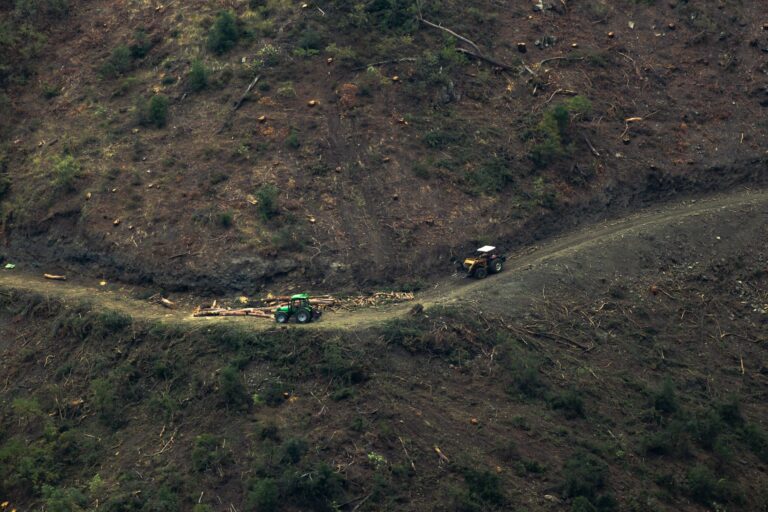
For 33 years, Abdul Taib Mahmud held the Sarawak chief ministership, the finance portfolio and the resource planning ministry at the same time — one office issuing timber concessions across one of the oldest rainforests on Earth.
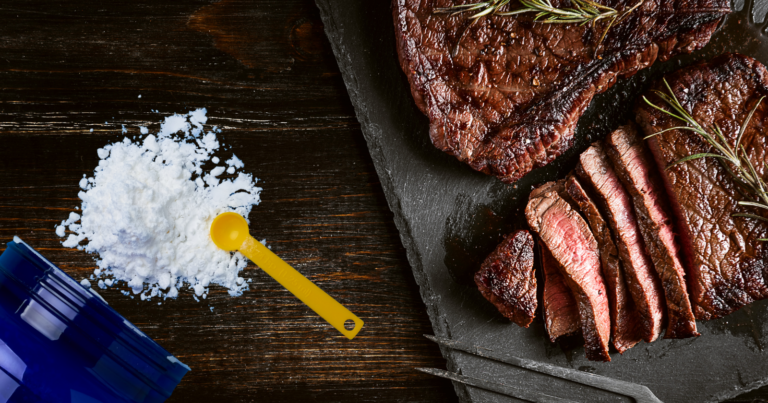
A 5-gram creatine serving is a supplemental dose. The body also synthesises creatine, food supplies some, and the comparison does not establish a universal dietary shortfall.
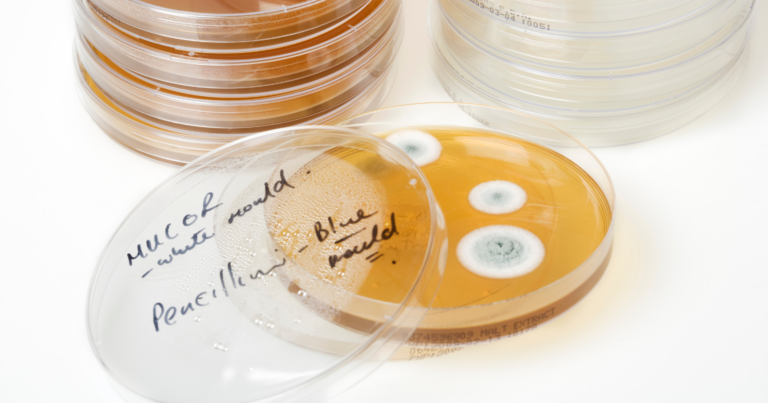
When Alexander Fleming returned to his St. Mary's Hospital lab in September 1928, a contaminated petri dish would change medicine forever. The story of how a blue-green mould, a rotting Peoria cantaloupe and an artist's eye for the odd produced the drug that has saved half a billion lives.